 Seattle Exterior
 Metal Roofing in Columbia City: What the Climate Actually Demands
Columbia City sits close enough to Lake Washington and the broader Puget Sound weather pattern that its roofs take a specific kind of beating: long stretches of steady rain from October through May, damp air that never fully dries out under tree cover, and moss that finds a foothold on anything shaded or north-facing. None of that is unique to this one neighborhood, but the mix of mature street trees, older housing stock, and a lot of roofs with modest slope means the problems show up here in a particular way. A roofing system that works fine in a drier climate can fail quietly in Columbia City for years before anyone notices the damage underneath.
Metal roofing is a strong answer to that combination of problems, but only when it's specified and installed correctly for this climate. The panel type, the underlayment, the fastening method, and the flashing details all need to account for driving rain and long wet seasons — not just be "a metal roof" in the generic sense.
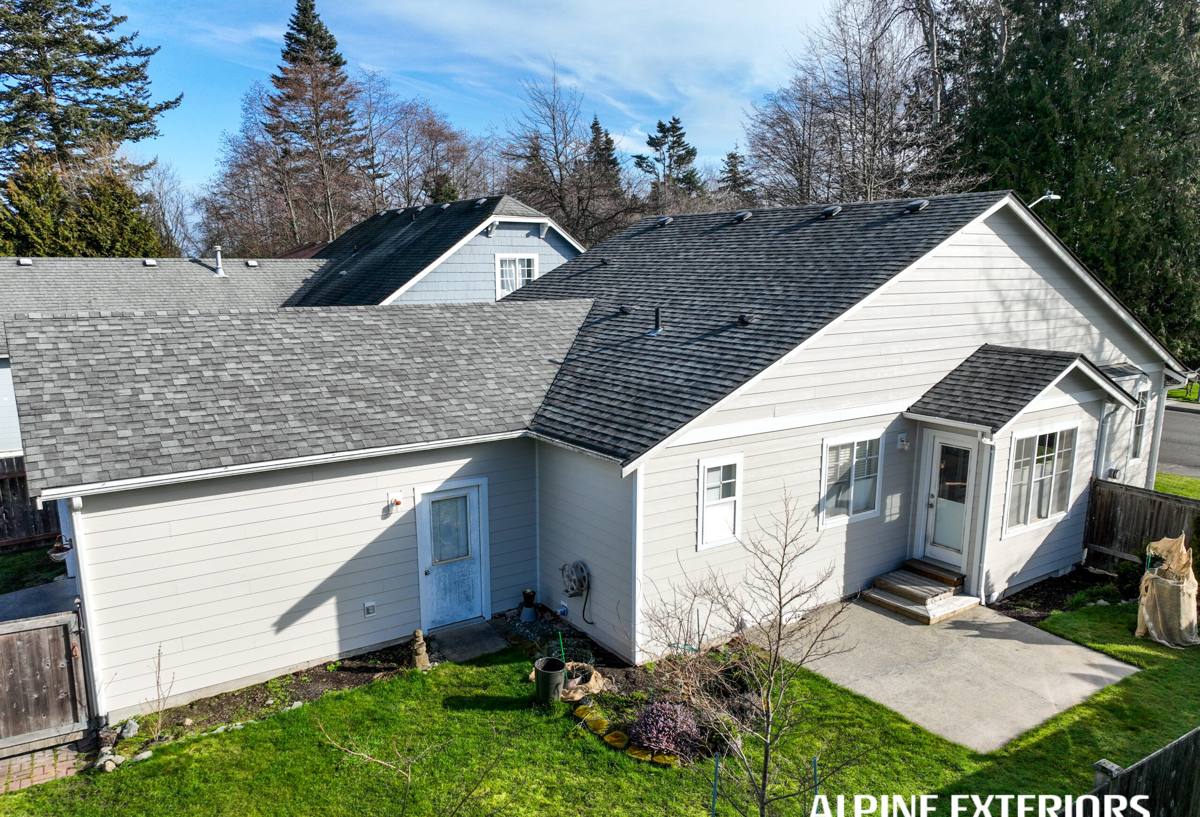
Why Homeowners Here Choose Metal Over Asphalt
Asphalt shingles are still the most common roofing material in Seattle, and they're a perfectly reasonable choice for a lot of homes. But metal roofing solves a few specific issues that come up often in this neighborhood:
- Moss resistance: moss struggles to get a grip on a smooth metal surface the way it does on the rough texture of asphalt granules.
- Water shedding: a well-installed metal roof moves water off fast, which matters on the lower-slope sections common on Columbia City bungalows and additions.
- Longevity: a correctly installed metal roof is typically rated for decades longer service life than a standard asphalt roof, which changes the math for homeowners planning to stay long-term.
- Weight: metal is light relative to some other long-life roofing options, which is worth checking against older framing before assuming it's the right upgrade.
None of this means metal is automatically the right call for every house. A roof with a lot of complex geometry, low-slope dormers, or unusual penetrations needs a contractor who will walk the whole roof and tell you honestly whether metal is the best fit before you commit.
The Moss and Moisture Problem, Specifically
Moss isn't just cosmetic. On a shaded, north-facing slope — common in Columbia City given the mix of mature trees and closely spaced lots — moss holds moisture against the roofing material long after the rest of the roof has dried. On asphalt, that moisture works its way under granules and shortens the shingle's life. On an older or improperly installed metal roof, trapped moisture at seams, fastener penetrations, or valleys can lead to corrosion over time, especially if the wrong fastener or flashing metal was used.
A correct metal roofing job in this climate treats moss and standing moisture as a design problem, not an afterthought. That means attention to slope transitions, valley design, and keeping panels properly ventilated underneath rather than trapping condensation against the deck.
Salt Air and Metal Selection
Columbia City isn't a waterfront neighborhood, but Seattle's overall proximity to salt water means airborne salt is a real, if lower-grade, factor in material selection citywide. Cheap or mismatched fasteners and flashing metals are where this shows up first — galvanic corrosion happens when dissimilar metals sit in contact with each other in a damp, salt-tinged environment. We match fastener and flashing metal to the panel material for this reason, not just because it's tidy practice.
Standing Seam vs. Exposed Fastener: Which Fits a Columbia City Roof
There are two main metal roofing systems homeowners in this area typically consider. Both can perform well here, but they suit different roof types and budgets.
| Factor | Standing Seam | Exposed Fastener |
|---|---|---|
| How it's fastened | Concealed clips, no exposed screws through the panel face | Screws driven through the panel face into the deck |
| Water performance | Excellent on low-slope and complex roofs; no penetration points to fail | Good on steeper, simpler roofs; screw gaskets can degrade over decades |
| Maintenance | Minimal — no fasteners to re-torque or reseal | Occasional gasket/fastener inspection recommended over the roof's life |
| Typical cost | Higher material and labor cost | More budget-friendly upfront |
| Best fit | Complex rooflines, low-slope sections, long-term owners | Simple gable roofs, garages, accessory structures |
For most Columbia City homes with a mix of roof slopes and at least one valley or dormer, we lean toward standing seam because it has no face penetrations for water to find over time. Exposed fastener systems still have their place, particularly on simpler roof shapes or secondary structures where budget matters more than the last percentage point of long-term water performance.
What a Correct Installation Involves
A metal roof is only as good as the details underneath it. Here's what we consider non-negotiable on every install:
- Deck inspection and repair: soft, rotted, or water-stained decking gets replaced before anything new goes down — covering a bad deck with new roofing just hides the problem.
- Underlayment: a synthetic or self-adhered underlayment rated for the panel type and this climate, with extra attention at eaves and valleys where ice and heavy runoff concentrate.
- Ventilation: intake and exhaust ventilation sized correctly so moisture from inside the house doesn't condense against the underside of the panels.
- Fastening and clips: matched to the panel metal to avoid galvanic corrosion, and spaced to manufacturer spec for wind and thermal movement.
- Flashing at every penetration: chimneys, vents, skylights, and valleys get custom-formed flashing, not generic pre-bent pieces forced to fit.
- Panel expansion allowance: metal expands and contracts with temperature swings; the fastening and seam details need to allow for that movement without buckling or loosening over the years.
Skipping any one of these steps is usually invisible on install day and becomes a leak, a corrosion spot, or a buckled panel three to ten years later.
Older Homes in Columbia City: What to Watch For
A lot of the housing stock in and around Columbia City is older — Craftsman bungalows, early-20th-century foursquares, and additions built onto original framing at various points over the decades. That history matters for a metal roof project in a few practical ways:
- Original roof decking on older homes is sometimes skip-sheathed (spaced boards rather than solid plywood), which needs to be addressed before certain metal panel types can go down correctly.
- Additions and dormers built at different times often have mismatched slopes or roof-to-wall transitions that need custom flashing rather than off-the-shelf pieces.
- Older attic spaces frequently have inadequate ventilation by modern standards, which becomes more important, not less, once you install a tighter-sealing metal roof system.
- Knob-and-tube or older electrical runs sometimes pass through attic and roof framing — worth flagging before any deck repair work begins, for everyone's safety.
What Drives Cost on a Columbia City Metal Roof
We won't quote a number without seeing the roof, but these are the factors that move the price up or down on a real job in this neighborhood:
| Factor | Effect on Cost |
|---|---|
| Roof complexity (valleys, dormers, penetrations) | More custom flashing labor, higher cost |
| Deck condition | Rot or soft decking adds repair cost before install starts |
| Panel system chosen | Standing seam costs more than exposed fastener systems |
| Existing roof layers | Full tear-off costs more than a roof already down to one layer |
| Access and pitch | Steep or hard-to-access roofs add labor time and safety setup |
Metal costs more upfront than asphalt in nearly every case. The trade-off is a much longer service life and lower maintenance over that life — whether that math works for a given homeowner depends on how long they plan to stay in the house and how they weigh upfront cost against long-term cost.
Maintaining a Metal Roof in This Climate
Metal roofs need far less attention than asphalt, but "low maintenance" isn't "no maintenance," especially with King County's wet season stretching most of the year. A simple annual routine keeps a metal roof performing for its full service life:
- Clear gutters and downspouts before the fall rains start, so water isn't backing up under the eave edge.
- Look for debris buildup in valleys — leaves and needles trap moisture even on a metal surface.
- Check that overhanging branches aren't dropping debris directly onto the roof or scraping the panel finish.
- Have a professional check flashing and sealant points every few years rather than waiting for a visible leak.
- Watch for any panel movement, oil-canning, or fastener backing out after major wind events.
Why a Local Crew Matters for This Job
Metal roofing installed wrong looks fine for the first year or two. The problems that show up from bad flashing work, mismatched fasteners, or inadequate ventilation take time to surface — which is exactly why the installer's experience with this specific climate and this specific neighborhood's housing stock matters more than a generic national reputation. A crew that regularly works in Columbia City and the surrounding Seattle neighborhoods already knows how the older framing here behaves, what King County permitting and inspection expects for a re-roof, and how the local rain and moss pattern actually stresses a roof over its first several winters — not just on a spec sheet.
We also stand behind the work with a local presence, not a call center. If something needs a look five years in, you're calling a crew that's still working the same neighborhood, not chasing down a company that installed once and moved on.
If you're weighing a metal roof for a Columbia City home, we're glad to come take an honest look and walk you through what your specific roof needs — no pressure, no upsell. Use the form below to request a free estimate.