 Seattle Exterior
 Roofing Built for Beacon Hill's Weather
Beacon Hill sits on one of Seattle's higher ridgelines, which means homes here take weather from more directions than houses tucked into a valley or shielded by other buildings. Wind off Puget Sound carries salt air that slowly works on exposed metal fasteners, flashing, and vent components. Add Seattle's long stretch of driving rain each fall and winter, followed by a shaded, damp spring that's perfect for moss growth, and you have a climate that is genuinely hard on a roof. A new roof installation here isn't just about swapping old shingles for new ones — it's about building an assembly that can shed water fast, resist wind uplift, and slow down moss and algae growth for years, not months.
We install roofs across King County, but Beacon Hill's mix of older bungalows, mid-century homes, and newer infill construction means no two roofs we work on are quite the same. What stays consistent is the approach: match the roofing system to the specific exposure, slope, and structure of the house in front of us, not a one-size-fits-all package.
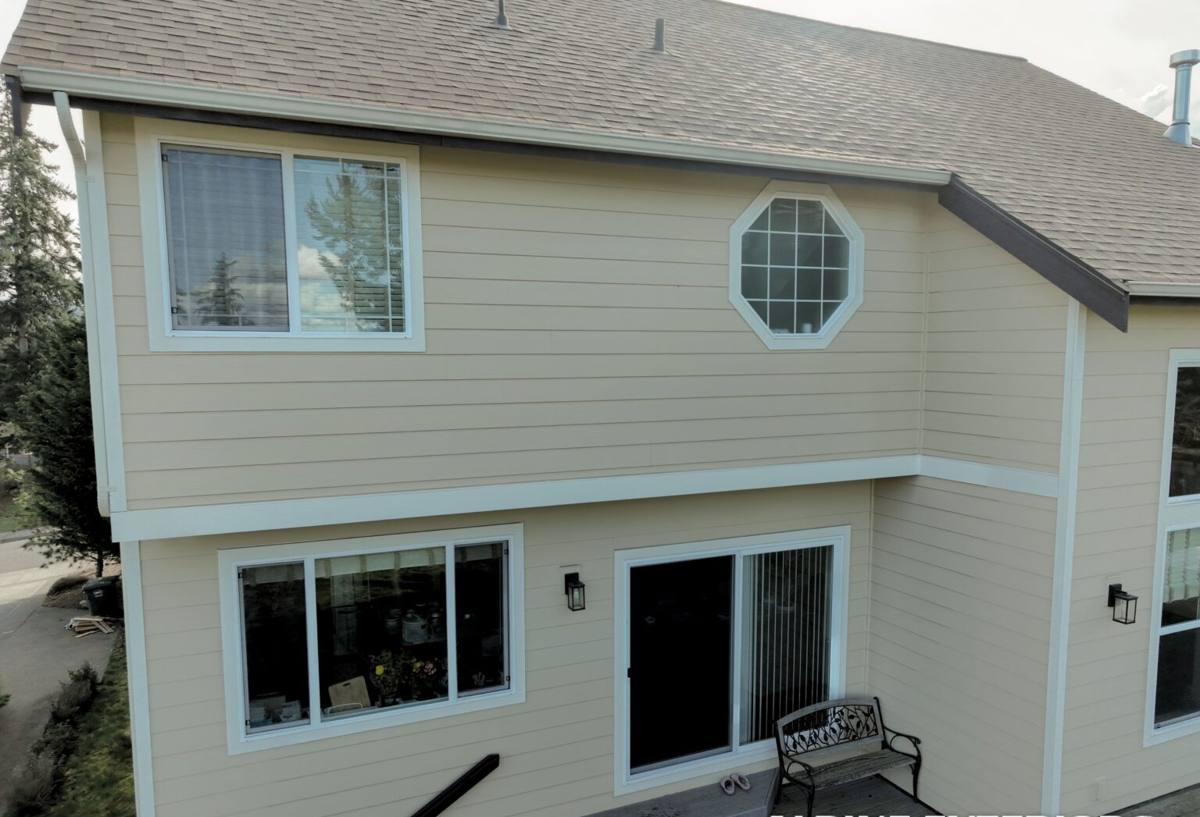
Signs a Beacon Hill Home Needs a New Roof, Not Another Repair
Homeowners often ask us to patch a leak, and sometimes that's the right call. But repeated repairs on an aging roof usually cost more over time than a properly planned replacement. Here's how we help homeowners tell the difference.
- Granules collecting in gutters or at downspouts — a sign shingles are breaking down, not just dirty
- Moss growth that keeps returning within a season or two of cleaning, especially on shaded, north-facing slopes
- Curling, cracking, or missing shingles visible from the ground
- Soft spots or sagging when walked on decking, which points to moisture reaching the wood underneath
- Daylight visible through the attic roof deck, or water stains on interior ceilings near exterior walls
- A roof that's 20+ years old and has never had underlayment or flashing upgraded
- Rising energy bills tied to poor attic ventilation or insulation gaps at the roofline
If a roof is showing two or more of these signs, it's usually more cost-effective to plan a full replacement than to keep chasing individual repairs.
Roofing Materials That Actually Hold Up in This Climate
Every material has trade-offs. We'll walk through the honest pros and cons for a house on a windy, moss-prone ridge like Beacon Hill rather than pushing whatever is easiest to install.
| Material | Strengths in Beacon Hill's Climate | Trade-offs to Consider |
|---|---|---|
| Architectural asphalt shingles | Good wind rating, wide range of algae-resistant options, straightforward repairs later | Needs periodic moss treatment on shaded slopes; lifespan shorter than metal or tile |
| Standing seam metal | Excellent water shedding, holds up well to wind and salt air with the right coatings, sheds moss more easily than textured surfaces | Higher upfront cost; requires an installer experienced with proper seam and fastener detailing |
| Synthetic/composite shingles | Resists moisture absorption, consistent appearance, good option where wood or slate look is desired | Product quality varies significantly by manufacturer; warranty terms need careful review |
| Wood shakes | Traditional look that suits some older Beacon Hill homes | Highest maintenance burden in a wet, moss-friendly climate; we're upfront that this is a demanding choice here |
We don't install every product on this list on every home — some roof pitches, shade patterns, or budgets steer the decision clearly in one direction. We'll explain our recommendation and why, including where a cheaper or trendier option would create more maintenance work down the road.
Underlayment and Flashing Matter as Much as the Surface Material
A lot of roofing sales conversations focus entirely on shingle color and style. In a rainy climate, what's underneath the visible surface often determines how long the roof actually lasts. We use synthetic underlayment rated for our region's rain volume, and we install self-adhered ice-and-water membrane at vulnerable points — valleys, eaves, and around penetrations — even though Seattle winters rarely bring ice dams like colder climates do. That membrane also does double duty protecting against wind-driven rain, which is common on an exposed ridge like Beacon Hill.
What a Correct New Roof Installation Involves
A roof is a system, not a single layer. Skipping steps to save time is the most common reason a "new" roof fails early. Here's what we consider non-negotiable:
- Full tear-off — installing new roofing over old layers traps moisture and hides deck damage; we remove existing material down to the deck on every full replacement.
- Deck inspection and repair — any soft, rotted, or delaminated plywood or sheathing gets replaced before anything new goes down.
- Proper underlayment — synthetic felt plus ice-and-water membrane at high-risk areas, installed to manufacturer spec, not just stapled on quickly.
- Flashing at every transition — chimneys, skylights, sidewalls, and valleys are where most leaks start; new flashing is installed, not reused.
- Balanced attic ventilation — intake at the eaves and exhaust at the ridge, sized correctly for the attic volume, to prevent trapped moisture and premature aging from underneath.
- Correct fastening pattern — nail placement and count matter for wind resistance, especially on a ridge-top lot with open exposure.
- Final inspection and cleanup — magnetic sweep for nails, gutter check, and a walkthrough before we consider the job finished.
Our Process for a Beacon Hill Roof Replacement
1. On-Site Assessment
We start with a physical inspection of the roof, attic, and ventilation — not just a look from the ground. We check for moss patterns, flashing condition, deck integrity, and any signs of past repair work that might affect the new installation.
2. Written Estimate and Material Recommendation
You get a clear, itemized estimate that spells out material choice, scope of work, and timeline. If there are multiple reasonable options for your home, we'll explain the trade-offs rather than just picking one for you.
3. Permitting
Most roof replacements in Seattle require a permit through the city, and we handle that process as part of the job rather than leaving it to the homeowner.
4. Installation
Tear-off, deck repair, underlayment, flashing, and final material installation — done in the sequence and detail described above, with daily site cleanup so debris doesn't sit around a residential lot longer than necessary.
5. Final Walkthrough
We review the finished roof with you, confirm ventilation and flashing details, and answer any questions about maintenance going forward.
Why Local Experience in Beacon Hill Specifically Matters
Roofing crews that mostly work flatter, more sheltered parts of King County sometimes underestimate what a ridge-top exposure does to a roof over time. Wind loading is different on elevated, open lots. Shade patterns from mature trees on tightly packed lots create moss-prone microclimates that don't show up the same way on a newer subdivision roof. And because Beacon Hill has such a mix of home ages and construction styles, a crew needs to recognize quickly whether they're dealing with original 1940s-era framing, a mid-century remodel, or newer construction — each with different deck materials and structural quirks that affect the installation plan.
Working regularly in this specific part of Seattle also means we're familiar with the city's permitting expectations and typical inspection points, which keeps projects moving without avoidable delays.
Protecting Your Investment After Installation
A correctly installed roof still needs basic upkeep to reach its full lifespan in this climate. We give every customer a simple maintenance rhythm rather than a vague "call us if something happens."
- Clean gutters and downspouts at least twice a year, more often under heavy tree cover
- Have moss growth treated before it becomes thick enough to hold moisture against the surface
- Trim back overhanging branches that keep sections of the roof shaded and damp
- Schedule a visual inspection after major windstorms to catch lifted or damaged sections early
- Watch for granule buildup in gutters as an early warning sign, even on a newer roof
- Keep attic ventilation paths clear of insulation blocking soffit vents
What Drives the Cost of a New Roof
Every roof is priced individually, but the factors that move the number up or down are consistent. We go over these directly with you during the estimate so there are no surprises.
| Factor | Why It Affects Cost |
|---|---|
| Roof size and complexity | More valleys, dormers, and penetrations mean more flashing work and labor time |
| Material choice | Asphalt, metal, and composite products carry different material and installation costs |
| Deck condition | Rotted or damaged sheathing found during tear-off adds repair work not visible beforehand |
| Roof pitch and access | Steep or hard-to-access roofs take longer and require additional safety measures |
| Ventilation upgrades | Adding proper intake and exhaust venting where none exists is an added but worthwhile cost |
| Permit and disposal fees | City permitting and tear-off debris disposal are part of every legitimate estimate |
We'd rather give you a broad, honest range up front and firm numbers after inspection than quote low and add costs later. If your roof needs deck repair or ventilation work beyond the original scope, we'll explain why before doing it, not after.
Ready for a Straight Answer About Your Roof?
If you're weighing a repair against a full replacement, or just want an honest read on how much life is left in your current roof, we're happy to take a look. Reach out for a free, no-pressure estimate using the form below — we'll walk the roof, answer your questions, and give you a clear recommendation for your Beacon Hill home.