 Seattle Exterior
 Queen Anne's Hillside Climate Is Hard on Siding
Queen Anne sits high above the rest of Seattle, and that elevation cuts both ways. The views are part of what makes the neighborhood, but that same exposure means homes up here catch more wind off Puget Sound and Elliott Bay than houses tucked into lower, more sheltered parts of King County. Add in the driving rain that blows sideways during a fall or winter storm, a long damp season that keeps north- and west-facing walls shaded and wet for weeks at a stretch, and the salt-laden air that drifts up from the water, and you've got a combination that's genuinely tough on exterior materials.
None of that is a reason to panic about your siding. It's a reason to be specific about what kind of siding goes on the house and how it's installed. Wood-based products absorb moisture and swell, delaminate, or rot when they stay wet too long. Vinyl can hold up fine in mild weather but flexes and gaps under wind pressure, opening seams for wind-driven rain to get behind it. Moss and algae find a foothold anywhere moisture lingers, and once established they hold water against the surface even longer. A siding system that isn't built and installed for this climate will show it within a handful of years — chalking, staining, soft spots at trim boards, or paint that won't hold.
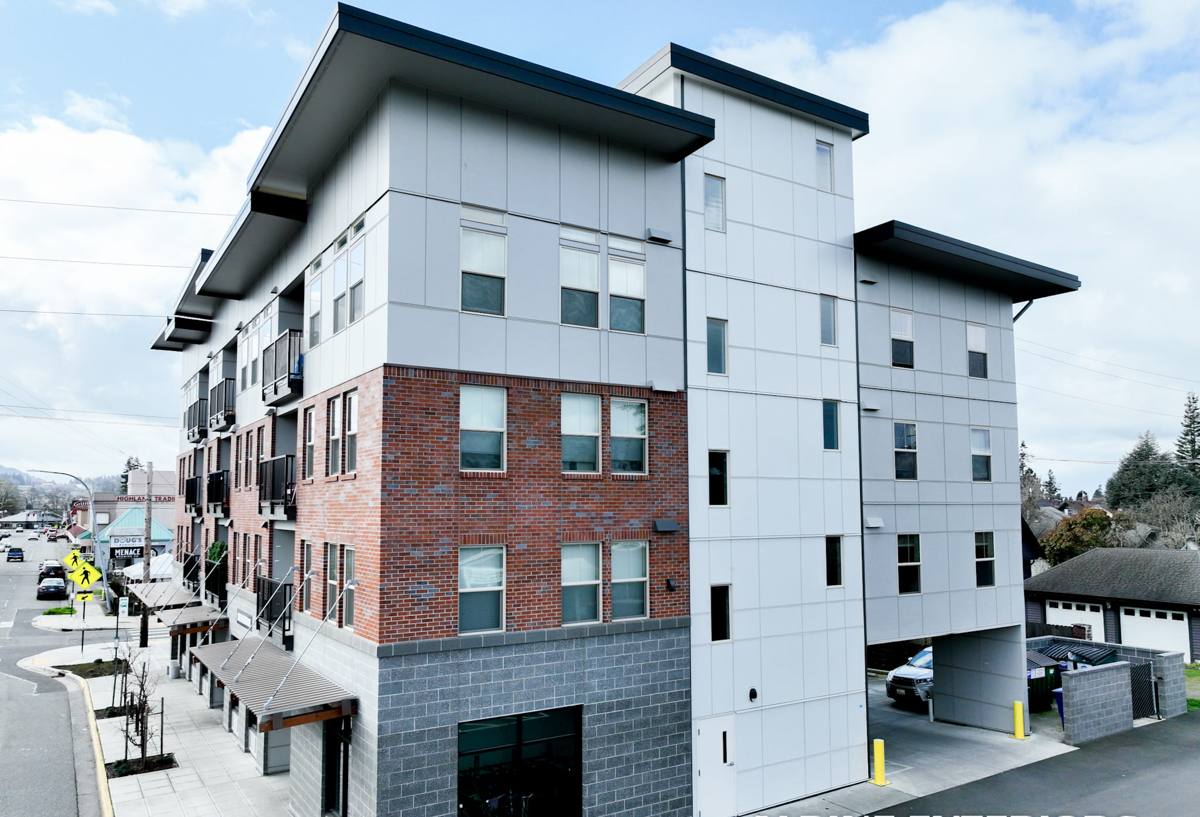
What a Correct Siding Installation Involves
Siding installation isn't just fastening boards to a wall. The siding itself is the visible layer of a water management system, and most siding failures we get called out to inspect trace back to something wrong underneath it, not the board itself.
Water Management Starts Behind the Siding
Before a single course of siding goes up, the wall needs a continuous weather-resistive barrier, correctly lapped so water sheds downward and outward rather than working its way behind seams. Windows, doors, and any wall penetrations need proper flashing integrated into that barrier — not caulk used as a substitute for flashing. On a house exposed to driving rain the way Queen Anne homes are, this layer is what actually keeps water out of the wall assembly. The siding is the second line of defense, not the first.
Fastening and Clearances
Fiber cement siding has specific fastening requirements — nail placement, spacing, and depth all matter for how the material performs over time and how well it resists wind uplift. Manufacturer clearances also matter: siding held too close to grade, a roofline, or a deck surface will wick moisture and stay wet longer than siding installed with the correct gap. These clearances are easy to shortcut and hard to notice until moss and staining show up a few years later.
Trim, Caulking, and Finish Details
Corner boards, trim around windows and doors, and butt joints between siding boards are where most visible failures start. Factory-finished products reduce a lot of this risk because the color and sealed edges are baked on before the material ever reaches the house, but field-cut ends and joints still need to be treated correctly at installation. A crew that rushes trim work is setting up a callback.
Why We Install Only James Hardie Fiber Cement
We made a decision to install one siding system — James Hardie fiber cement — and not offer vinyl, LP SmartSide, cedar, primed spruce, or other fiber cement brands. That's not a marketing angle; it's a standard we apply to every job. Fiber cement is non-combustible, doesn't feed moss and mildew the way wood-based products can, and holds paint and color far better over time than vinyl, which fades and can warp under heat and wind stress. Hardie's ColorPlus factory finish is baked on and backed by its own finish warranty, which means less repainting and a more consistent look through wet Seattle winters and dry summers. Hardie also engineers specific HZ5 product lines for climates like ours, and backs the material with a long transferable product warranty that matters if you ever sell the house.
Other products aren't without merit — wood has a look some homeowners want, and vinyl is inexpensive. But we've chosen not to install products that ask a homeowner to accept a shorter service life, more frequent maintenance, or moisture vulnerability in a climate that doesn't forgive those trade-offs. Every house we side gets the same system, installed to the same standard.
Our Installation Process, Start to Finish
- On-site assessment. We look at your existing siding, sheathing condition, trim, flashing, and any problem areas — including how exposed the house is to wind and rain given its position on Queen Anne Hill.
- Tear-off and inspection. Old siding comes off and we check the sheathing underneath for rot or hidden moisture damage before covering it back up.
- Weather barrier and flashing. A new, continuous weather-resistive barrier goes on, with flashing properly integrated at every window, door, and penetration.
- Hardie installation. Siding is installed to manufacturer fastening schedules and clearance requirements, with attention to how each wall faces wind and rain.
- Trim and finish work. Corner boards, trim, and joints are finished and sealed correctly — no caulk standing in for flashing.
- Final walkthrough. We go over the finished job with you before we consider it done.
Siding Options Queen Anne Homeowners Consider
| Material | How It Handles Wind-Driven Rain | Moss and Moisture Resistance | Long-Term Maintenance |
|---|---|---|---|
| James Hardie Fiber Cement | Rigid, engineered HZ5 lines resist wind and moisture intrusion when installed to spec | Non-combustible, doesn't feed mold or moss the way wood fiber can | ColorPlus finish holds color for years; minimal repainting |
| Vinyl | Can flex and gap under sustained wind pressure, opening seams | Doesn't rot, but trapped moisture behind panels can still cause problems | Fades and can warp with heat/UV exposure over time |
| Cedar / Primed Wood | Absorbs moisture at joints and end grain if not maintained | Prone to moss, mildew, and rot in prolonged damp conditions | Requires regular refinishing and inspection |
| LP SmartSide | Engineered wood strand product; performance depends heavily on correct sealing at cuts and joints | Vulnerable at unsealed edges if installation details are missed | Ongoing attention to caulking and touch-up needed |
Signs Your Queen Anne Home Needs New Siding
- Visible moss or dark streaking that returns soon after cleaning
- Soft or spongy spots when you press on siding near the bottom edge or trim
- Paint that's peeling, bubbling, or won't hold no matter how often it's redone
- Warping, buckling, or boards that have pulled away from the wall
- Visible gaps at seams, corners, or around windows and doors
- Rising energy bills that suggest the wall assembly isn't sealing the way it should
- Siding that's simply reached the end of its practical service life
What Correct Installation Costs — and Why Cutting Corners Costs More
| Cost Factor | Why It Matters |
|---|---|
| Tear-off and sheathing condition | Hidden rot found during tear-off adds work but prevents siding new material over a compromised wall |
| House size, stories, and roofline complexity | More corners, dormers, and cut lines mean more labor and material |
| Trim and accessory scope | Corner boards, window trim, and fascia work add to the finished look and the price |
| Siding profile and color | Lap width and ColorPlus color selection affect material cost |
| Site access and exposure | Steep lots and hillside access, common on Queen Anne, can affect staging and labor time |
We won't quote a number here that doesn't apply to your specific house — every Queen Anne property is different, from lot slope to how much of the old siding and sheathing is salvageable. What we will say is that the cheapest bid on a siding job is almost always cheap because something's been left out: the weather barrier, proper flashing, correct fastening, or trim detail. Those shortcuts don't show up on the invoice, but they show up on the wall a few years later.
Why Local Experience in Queen Anne Matters
A crew that regularly works Queen Anne understands how the neighborhood's elevation, wind exposure, and proximity to the water change the way a house needs to be sided compared to a more sheltered part of Seattle or inland King County. That's not abstract — it affects which walls need extra attention to flashing, how clearances are handled on sloped lots, and what kind of moss and moisture patterns to expect on north- and west-facing exposures. Experience on this specific terrain, not just experience in general, is what keeps a siding job performing the way it should for decades.
If your Queen Anne home needs new siding, or you want a second opinion on whether repair or replacement makes sense, we're glad to take a look. Use the form below to request a free, no-pressure estimate — we'll assess your home's specific exposure and walk you through exactly what a correct James Hardie installation would involve.