 Seattle Exterior
 Storm Damage Roofing on Queen Anne Hill
Queen Anne sits higher and more exposed than most of Seattle, and that elevation cuts both ways. The views of Puget Sound and the Olympics that make the neighborhood desirable also mean the hill catches wind and driving rain that lower, more sheltered blocks in King County simply don't see as often. When a windstorm rolls through, roofs on Queen Anne tend to take a harder hit, and the damage isn't always obvious from the ground.
We work storm damage calls in this neighborhood regularly, on everything from older Craftsman and Victorian-era homes near the top of the hill to newer builds and multi-unit properties closer to the base. The housing stock here is mixed in age, pitch, and material, which means there's no one-size answer to "what does storm repair cost" or "how long will this take." What stays consistent is the approach: find out exactly what the storm did, fix that correctly, and don't recommend more than the roof actually needs.
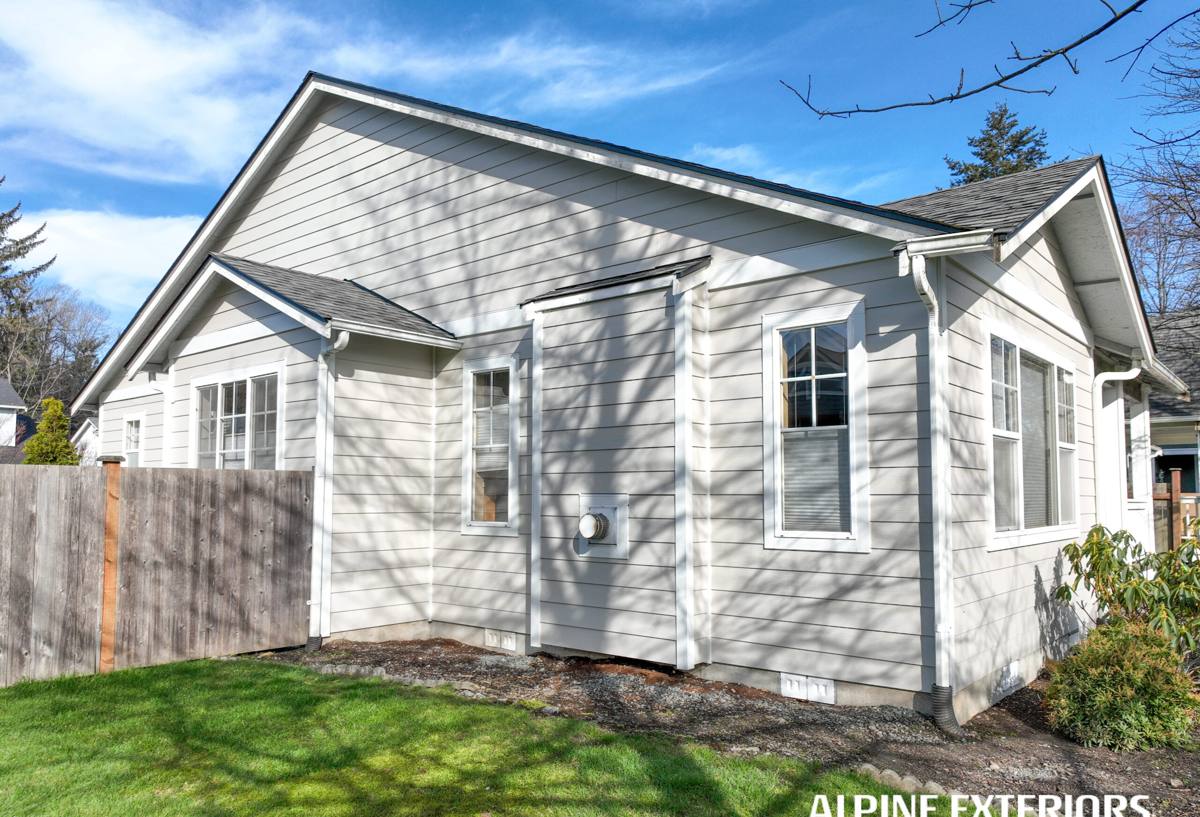
What Seattle's Climate Does to a Queen Anne Roof
Storm damage rarely shows up on a roof that was already in great shape. More often, it's the last straw on a roof that's been quietly weakened by the same conditions Queen Anne deals with year-round.
Salt air off the Sound
Homes on the west and north-facing slopes of the hill get direct exposure to salt-laden air coming off Puget Sound. Over years, that air accelerates corrosion on exposed metal — flashing, fasteners, gutter hardware, and vent caps — long before the shingles or roofing membrane itself would normally need attention. A storm that pulls a corroded flashing loose does more damage than the same wind would on a fastener that's still sound.
Driving rain and wind-driven water
Because of its height and exposure, Queen Anne gets rain that doesn't just fall — it's pushed sideways into roof edges, valleys, and wall-roof intersections. This is exactly where wind and water find any weakness in flashing, underlayment, or shingle seal, and it's why storm damage on this hill so often shows up as water intrusion at a valley or chimney rather than as obviously missing shingles.
A long moss season
Seattle's damp, mild climate keeps moss and moisture active on north-facing and shaded roof slopes for much of the year, and mature tree cover in parts of Queen Anne makes this worse. Moss holds water against the roofing surface, lifts shingle edges over time, and gives wind something to grab onto during a storm. A roof with moss buildup is more vulnerable to storm damage than a clean one, even if the materials underneath are otherwise fine.
Signs Your Roof Has Storm Damage
Not all storm damage is a hole you can see from the yard. Some of the most costly damage is the kind that leaks slowly for weeks before it's noticed inside the house. After any significant wind or rain event, it's worth checking for the following:
- Shingles that are cracked, curled, creased, or missing entirely, especially near ridges and edges
- Granules collecting in gutters or at downspout outlets after a storm
- Bent, lifted, or missing flashing around chimneys, skylights, and roof-to-wall junctions
- New or worsening water stains on ceilings or upper interior walls
- Sagging or soft spots when walking the attic or crawling the roof deck
- Debris, branches, or dented vent caps that suggest impact during the storm
- Gutters pulled away from the fascia or full of shingle fragments
- Daylight visible through the roof deck from inside the attic
If you see any combination of these, it's worth a professional look before the next round of rain gets underneath the roofing system.
What a Correct Storm Damage Repair Actually Involves
A rushed storm repair often just covers the visible problem and leaves the underlying cause untouched. A correct repair works through the roof system in order, because water damage rarely stays where it started.
1. Full roof assessment, not just the damaged spot
We check the entire roof plane, not only the area where the damage was reported. Wind damage often has a pattern — if one section of shingles lifted, nearby sections took stress too, even if they haven't failed yet.
2. Deck and structure check
Any spot where water got past the roofing surface needs a look at the decking underneath. Soft, delaminated, or stained decking has to be addressed before new roofing goes down over it, or the repair won't hold.
3. Flashing and underlayment repair
Given how much of this hill's damage starts at flashing and valleys, we treat these as first-priority repair points, not an afterthought once new shingles are on.
4. Matching materials correctly
Where a full replacement isn't warranted, patch repairs need to match the existing roofing in type, weight, and where possible, age and color, so the repaired section performs — and looks — consistent with the rest of the roof.
5. Debris and moss cleanup
Since moss and debris both worsen storm vulnerability, a proper repair includes clearing this from the work area so the same weak points don't fail again in the next storm.
Our Process, Start to Finish
Homeowners calling us after a storm usually want two things: an honest answer about how bad it is, and a clear sense of what happens next. Here's how we run it:
- Initial call and scheduling — we ask what you saw or noticed, and get a crew out promptly, especially if there's active leaking.
- On-site inspection — a full visual and, where safe, physical inspection of the roof surface, flashing, and attic interior.
- Written findings — we tell you exactly what we found, what caused it, and what's actually needed to fix it, separate from anything that's cosmetic or optional.
- Estimate — a clear scope and price range before any work starts, with repair and (if relevant) replacement options laid out separately.
- Repair work — completed by a crew familiar with this hill's exposure conditions, using materials matched to your existing roof where possible.
- Final walkthrough — we review the completed work with you, inside and out, before calling the job done.
Repair or Replace? What Actually Drives That Decision
Storm damage doesn't automatically mean a new roof. It also doesn't mean a patch is always the responsible answer. The right call depends on a handful of practical factors:
| Factor | Leans toward repair | Leans toward replacement |
|---|---|---|
| Age of existing roof | Roof is well within its expected service life | Roof is already near or past its expected lifespan |
| Extent of damage | Damage is localized to one section or feature | Damage is spread across multiple slopes or the deck itself |
| Underlying condition | Deck and underlayment are sound elsewhere | Widespread moss, granule loss, or moisture already present |
| Material availability | Matching shingles or material still available | Existing material discontinued or badly weathered/faded |
| Insurance scope | Claim covers a defined repair area | Adjuster scopes full slope or full roof replacement |
We'll always tell you honestly which side of this table your roof falls on, rather than defaulting to the more expensive option.
Storm Damage and Insurance Claims
Most storm-related roof claims move faster and go smoother when the documentation is thorough from the start. We provide clear photos, a written scope of the damage, and a straightforward description of cause — wind, impact, or water intrusion — that you can hand directly to your insurance adjuster. We don't inflate scopes to chase a bigger claim payout, and we don't pad estimates hoping insurance will cover the difference. Our job is to document what actually happened to your roof and give you an accurate repair scope, whether or not a claim is involved.
Why a Crew That Knows Queen Anne Matters
Roofing problems on this hill aren't identical to roofing problems in a sheltered valley neighborhood a few miles away. A crew that regularly works Queen Anne already understands which slopes catch the worst of the wind, where salt air does the most damage to flashing and fasteners, and which roof types in this housing stock tend to develop moss and leak points first. That familiarity means a faster, more accurate read on what a storm actually did to your roof, instead of a generic inspection that treats every house in Seattle the same.
It also means fewer surprises during the work itself. Older homes on the hill can have older decking, non-standard flashing details, or roof lines that don't match modern construction assumptions. A crew that's seen this housing stock before knows what to expect and plans for it, rather than discovering it mid-repair.
Get a Straightforward Estimate
If a recent storm has you wondering whether your roof took damage, or you've noticed a stain, a soft spot, or shingles in the yard, it's worth getting a professional look before the next rain. We offer free, no-pressure estimates for Queen Anne homeowners — just an honest look at your roof and a clear answer about what, if anything, it needs. Fill out the form below to get started.