 Seattle Exterior
 Queen Anne's Weather Is Harder on Windows Than It Looks
Queen Anne sits high above the water, and that elevation cuts both ways. The views are part of what makes the neighborhood what it is, but that same exposure means homes take a steady beating from weather that's a notch tougher than what you'd see a few miles inland. Salt-tinged air drifting up from Puget Sound and Elliott Bay works on metal hardware and window frames over years, not months. Driving rain off the Sound gets pushed sideways by wind on the exposed west- and south-facing sides of the hill, which means windows here need to shed water that's hitting the glass at an angle, not just falling straight down. And on the shaded north sides, especially under mature trees, King County's long wet season grows moss and algae on sills, trim, and frames that never fully dries out between storms.
None of this is dramatic on its own. It's cumulative. A window that's a fine performer in a dry climate can still fail here — not because the glass breaks, but because the seals, the wood, or the flashing around it slowly lose the fight with moisture. That's the piece we pay the most attention to on every Queen Anne job: not just the window unit itself, but how well it's protected from the specific way water moves across this hill.
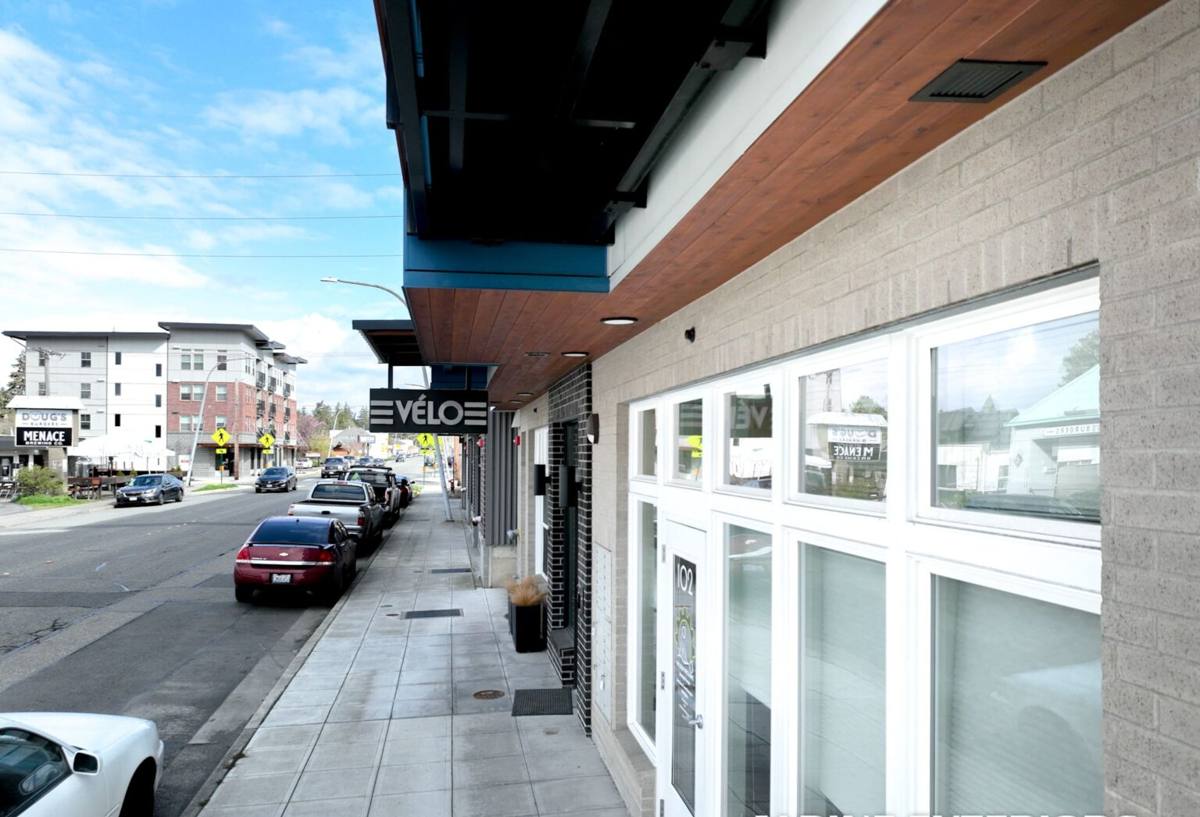
Signs Your Queen Anne Home's Windows Are Falling Behind
Most homeowners don't wake up one day and decide they need new windows. It's usually a slow accumulation of small annoyances that eventually adds up. A few things we hear most often from Queen Anne homeowners:
- Fogging or a permanent haze between the panes of double-pane windows — the seal has failed and the insulating gas has escaped
- Sashes that are painted or swollen shut, common in older wood-framed homes with decades of repainting
- Soft, spongy wood at the sill or lower frame corners, usually a sign that water has been getting behind the trim for a while
- Noticeable drafts near the frame even when the window is fully latched
- Windows that are harder to open or close than they used to be, which on a hillside lot can also be a sign of minor foundation settling rather than the window itself
- Visible moss, algae, or black staining building up in the corners of frames on shaded, north-facing walls
Any one of these on its own might just need a repair or a good cleaning. Several of them together, especially on a home with its original windows, usually means it's time to talk about replacement rather than another round of patching.
What Queen Anne's Housing Stock Means for a Correct Install
Queen Anne has one of the more varied mixes of housing age and style in Seattle — craftsman and Tudor-influenced homes from the early 1900s, mid-century additions, and newer infill construction, often sitting close together on the same block. Older homes frequently still have original wood window openings that were never built to modern dimensions, so a straightforward "swap the sash" job isn't always possible. Additions and remodels sometimes introduced window sizes or styles that don't quite match the original construction, which means the flashing and water management around them can be inconsistent from one wall to the next.
What this means practically: a correct replacement on a Queen Anne home usually starts with actually checking what's happening at the rough opening — not assuming it matches the home next door, or even the window ten feet away on the same wall. Getting that assessment right up front is what keeps a job from turning into a surprise once the old window is out.
What a Correct Window Replacement Job Actually Involves
Measuring and Product Selection
Every opening gets measured individually, not estimated from a single sample. On older homes we also check for square and level, since a century of settling can leave an opening slightly out of true — which affects how the new window needs to be shimmed and sealed.
Removal Without Collateral Damage
The old window and any damaged trim come out carefully so we don't tear up siding or interior finish work that doesn't need to be touched. If we find rot or water damage in the framing once the old window is out, we address it before the new one goes in — installing a new window over a compromised opening just hides the problem for a few more years.
Flashing and Moisture Management
This is the step that matters most for a home exposed to the kind of driving rain Queen Anne gets. Proper flashing directs water down and away from the framing rather than letting it pool or wick inward. It's also the step that's easiest to rush, and the one that causes the most expensive problems years later when it's done wrong.
Insulation, Air Sealing, and Finish Work
The gap around the new window frame gets sealed and insulated properly — not overpacked, which can bow the frame, and not left loose, which leaves a draft path. Interior and exterior trim gets reset or replaced to match, and the old windows and packaging are hauled off the site.
Choosing the Right Materials for This Climate
There's no single "best" window material — the right choice depends on the home's age, your budget, and how much upkeep you want to take on. Here's how the common options stack up for a wet, coastal-influenced climate like ours:
| Material | Moisture Resistance | Maintenance | Typical Fit |
|---|---|---|---|
| Vinyl | Good — won't rot, but can flex or warp in direct sun exposure over time | Low — no painting or sealing needed | Budget-conscious replacements, rental properties, additions |
| Fiberglass | Very good — dimensionally stable in wet and temperature swings | Low to moderate | Homes where long-term durability matters more than upfront cost |
| Wood | Requires diligent upkeep — original material on many older Queen Anne homes | High — periodic painting/sealing, more if shaded and damp | Historic-character homes where matching original sightlines matters |
| Wood-clad (wood interior, metal or vinyl exterior) | Good — exterior shell protects the wood from direct weather | Moderate | Homes that want a wood interior look without full wood maintenance |
On homes with a lot of shade or north-facing exposure — where moss and algae are most persistent — we lean harder on materials and finishes that don't give organic growth much to hold onto. On homes taking direct wind and rain off the Sound, sealing quality and flashing detail end up mattering more than the material itself.
What Drives the Cost of a Window Replacement
Window replacement pricing varies a fair amount from job to job, and anyone who quotes a firm number before seeing your windows in person is guessing. The factors that actually move the price:
- Number of window openings and their sizes
- Whether it's a straightforward frame-in-frame replacement or a full-frame replacement with rough opening repair
- Material chosen — vinyl, fiberglass, wood, or wood-clad
- Condition of the existing framing once the old window is removed
- Access — upper-story or hard-to-reach windows on a steep or terraced lot take longer
- Custom shapes or sizes versus standard dimensions
We give a written estimate after actually looking at the windows in question, not before. That's the only way to give you a number you can trust instead of one that changes once work starts.
Our Process, Start to Finish
We keep the process straightforward and try not to waste your time with steps that don't add value:
- On-site assessment. We look at every window being considered, note the condition of the framing, and talk through material and style options.
- Written estimate. You get a clear, itemized quote before any work is scheduled — no surprise line items later.
- Scheduling around the weather. Given how much rain this region gets, we plan install days to avoid leaving an open frame exposed longer than necessary.
- Removal and install. Old windows come out, framing is checked and repaired if needed, and the new windows go in with proper flashing and sealing.
- Finish and walkthrough. Trim is reset, the area is cleaned up, and we walk the job with you before calling it done.
Why a Crew That Already Works Queen Anne Matters
Queen Anne isn't a neighborhood where a generic approach works well. The hillside streets mean access and parking for materials and equipment take real planning, especially on the steeper blocks. The mix of older original construction and newer additions means openings vary more than they would in a newer, more uniform subdivision — so a crew that hasn't seen much of this housing stock is more likely to run into surprises mid-job. And the specific way weather hits this part of Seattle, with wind-driven rain on the exposed sides and persistent damp shade on others, means the flashing and sealing details that matter here aren't always the same ones that matter in a flatter, more sheltered part of King County.
A crew that already works this area has usually already seen the version of your problem before — which openings tend to be out of square, which sides of a hillside lot take the worst weather, and what actually holds up here versus what looks fine on paper.
Before You Hire — What to Confirm
- Ask specifically how they handle flashing and moisture management, not just what window brand they install
- Confirm whether they inspect and repair rotted or damaged framing as part of the job, or only if you ask
- Ask how they plan to protect your home's interior and landscaping during removal and install
- Get the estimate in writing, itemized by window, not a single lump-sum number
- Ask what the warranty covers — materials, labor, or both — and for how long
- Confirm they'll haul away old windows and debris as part of the job
If you're weighing a window replacement for a Queen Anne home, we're happy to take a look and give you an honest, no-pressure estimate — no obligation, just a clear read on what your windows actually need. Use the form below to get started.