 Seattle Exterior
 Storm Damage Roof Repair in Rainier Valley
Rainier Valley sits in south Seattle, King County, on a mix of flatter stretches and hillside blocks with a lot of mature tree canopy weaving through the neighborhood. That combination — wind funneling between the hills, big trees dropping limbs, and a roofing stock that ranges from older bungalows to newer infill homes — means storm damage here doesn't always look the same from block to block. A repair that's right for a flat-roofed newer build a few streets over isn't necessarily right for a steep-pitched older home nearby. This page is about doing that assessment correctly and repairing storm damage the right way, not just patching what's visible from the ground.
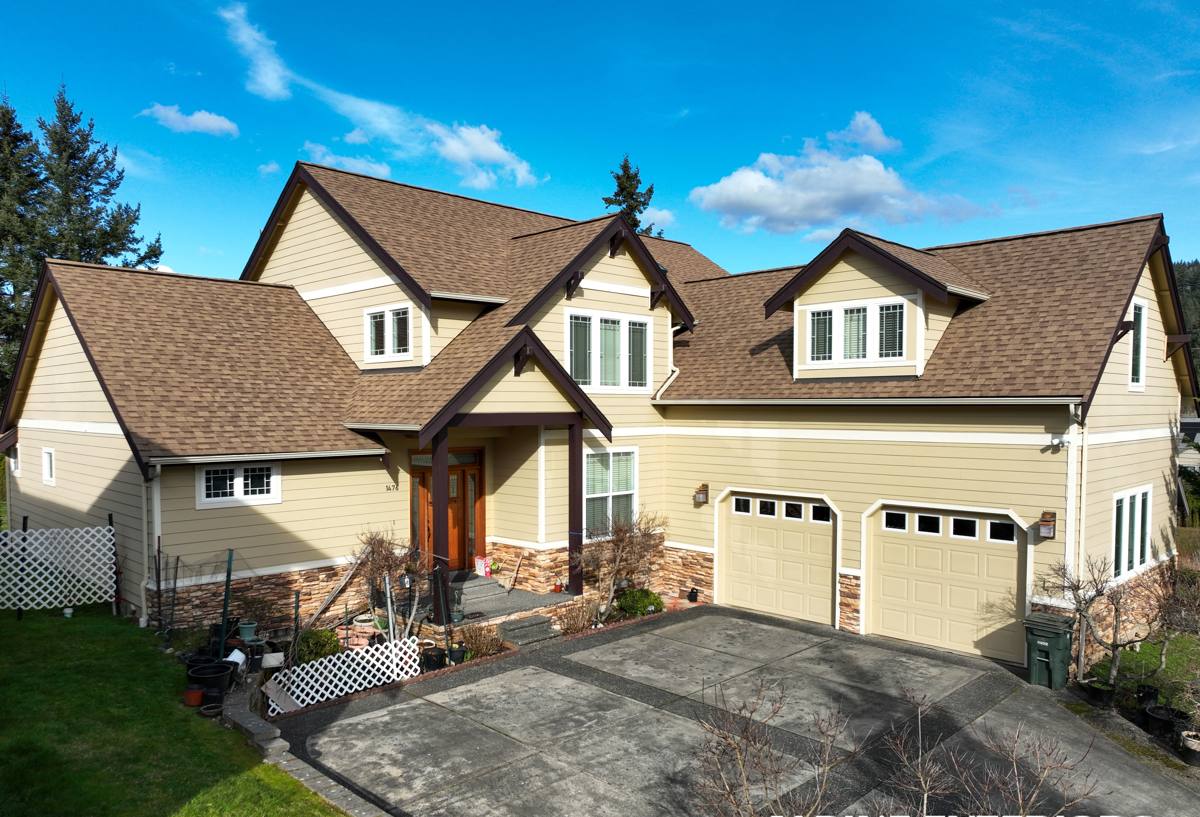
Why Rainier Valley Roofs Take a Particular Kind of Beating
Seattle's climate is hard on roofs everywhere, but a few local factors stack up in Rainier Valley specifically.
Driving rain and wind-driven water
King County storms rarely come straight down. Wind pushes rain sideways, and on a neighborhood with hills and tree cover, gusts get unpredictable — funneling around structures and hitting roof edges, ridges, and valleys at odd angles. That's exactly where storm damage tends to start: lifted shingle tabs at the edges, water forced up under flashing instead of running off it, and valleys that take on more volume than they were designed for during a heavy system.
Salt air and moisture cycling
Being close to Puget Sound and Lake Washington means the air carries more moisture and a mild salt element than an inland location would. That doesn't corrode a roof overnight, but it accelerates the slow stuff — fastener corrosion, sealant breakdown, and granule loss on asphalt shingles — so a roof that's already stressed from a storm ages faster afterward if the damage isn't addressed.
A long moss season
Seattle's wet season runs long, and Rainier Valley's tree cover means a lot of roofs stay shaded and damp for extended stretches. Moss and algae get a real foothold on north-facing slopes and anywhere debris collects. Moss holds moisture against the roofing material, which is a slow problem on its own — but after a storm, it also hides damage. A cracked shingle or a lifted seam under a mat of moss is easy to miss on a casual look, which is part of why storm inspections in this neighborhood need to include moss and debris removal as a first step, not an afterthought.
Tree limbs and debris
Mature trees are one of the things that make Rainier Valley a pleasant place to live, but they're also a liability during wind events. Falling limbs cause obvious damage — punctures, cracked decking, torn shingles — but they also cause less obvious damage: bruised shingles that look fine but have lost their seal, or gutters and downspouts knocked loose enough to redirect water somewhere it shouldn't go.
What Actually Counts as Storm Damage
Homeowners often assume storm damage means a hole in the roof. Usually it's subtler than that. Here's what we look for:
- Shingles that are lifted, cracked, torn, or missing entirely — even a handful can be an entry point
- Granule loss showing up in gutters or downspouts after a storm, which signals impact damage even without a visible tear
- Flashing pulled away from chimneys, vent pipes, skylights, or where a roof meets a wall
- Bent, dented, or detached gutters and downspouts that no longer move water off the roof correctly
- Soft spots or sagging in the decking, usually found from the attic side, indicating water has already gotten through
- Debris impact points — dents, punctures, or cracked material where a branch or hard debris struck the roof
- Water stains on interior ceilings or attic framing that show up days after a storm, once water has had time to travel
That last point matters. Storm damage doesn't always announce itself the day of the storm — water can travel along framing before it shows up as a stain, sometimes weeks later. That's one reason we recommend an inspection after any significant wind or rain event, even if nothing looks obviously wrong from the yard.
What a Correct Repair Actually Involves
A quick patch and a proper repair can look similar from the street and behave very differently over the next few winters. The difference is in what happens underneath.
Full assessment before any repair
We start on the roof, not from a photo taken with a drone or binoculars from the ground. Storm damage assessment means physically checking shingles, flashing, valleys, and penetrations, and checking the attic from inside for signs water has already made it through the decking.
Fixing the cause, not just the symptom
If flashing pulled loose because of wind uplift, replacing shingles without resecuring and re-sealing the flashing just sets up the same failure again next storm season. Correct storm repair addresses the underlying attachment and sealing, not just the visible surface material.
Matching materials and technique to what's already there
Repairs need to integrate with the existing roof system — same or compatible shingle profile, correct underlayment overlap, and flashing details that match how the rest of the roof was built. A mismatched patch is often where the next leak starts.
Checking the roof's support systems, not just the roofing material
Gutters, downspouts, and ventilation all affect how well a roof sheds water and dries out afterward. A storm that knocked a gutter loose can cause ongoing water damage at the fascia and eaves even after the roofing itself is repaired, so we check those systems as part of the same visit.
Our Process for Rainier Valley Storm Repairs
- Initial inspection. We assess the full roof, not just the area you flagged, since storm damage is often more widespread than what's visible from below.
- Documentation. We photograph and note damage clearly enough to support an insurance claim, including anything that might not be obvious to an adjuster who isn't a roofer.
- Written scope and honest recommendation. We tell you plainly whether you're looking at a targeted repair or something more extensive, and why — not the most expensive option by default, the correct one.
- Repair. We fix the damage and the underlying cause, using materials and methods that match your existing roof system.
- Final check. We confirm the repair sheds water correctly and check adjacent areas — gutters, flashing, ventilation — that could undermine the repair if left alone.
Storm Damage: Severity and Repair Approach
| Damage Type | Typical Cause | Repair Approach |
|---|---|---|
| A few lifted or missing shingles | Wind uplift at edges or ridge | Targeted shingle replacement, resecure surrounding tabs, reseal |
| Flashing pulled from chimney or vent | Wind, thermal movement, aging sealant | Reset and reseal flashing; replace if metal is bent or corroded |
| Branch impact with visible puncture | Falling debris during wind event | Deck inspection, decking repair if needed, matched shingle patch |
| Granule loss without visible tear | Hail-like impact or wind-blown debris | Close inspection of affected slope; replace shingles with reduced wear |
| Sagging or soft decking | Sustained water intrusion, often after undetected damage | Deck section replacement before any new roofing goes down |
| Detached or bent gutters | Wind or debris impact | Resecure or replace gutter run, confirm water flow away from fascia |
Insurance Claims: What's Worth Knowing
Most homeowner policies cover sudden storm damage, but coverage decisions come down to documentation and cause. An adjuster is trained to evaluate general property damage, not necessarily to spot roofing-specific issues like a flashing detail that failed under wind load versus one that was already failing from age. That's why we document damage in roofing terms and provide a written scope before you file or while your claim is open — it gives you and the adjuster a clear, specific record to work from, rather than a vague description of "storm damage." We're not a public adjuster and we don't handle your claim for you, but we'll give you the information a claim needs to be evaluated fairly.
After a Storm: A Practical Checklist
- Check the attic for new water stains, damp insulation, or light coming through the decking
- Look at gutters and downspouts from the ground for obvious dents, detachment, or debris blockage
- Note the date and general weather conditions of the storm for your own records
- Avoid walking the roof yourself, especially if it's wet, mossy, or steep
- Don't sign anything or pay a deposit to a contractor who showed up unsolicited right after the storm
- Get an inspection even if nothing looks wrong — some damage doesn't show up inside for days or weeks
- Keep photos of any visible exterior damage taken from the ground, safely, as part of your own documentation
Why a Crew That Already Works Rainier Valley Matters
Storm damage repair isn't just about roofing technique in general — it's about knowing what this neighborhood's roofs are actually dealing with. A crew that works Rainier Valley regularly knows to check north-facing slopes for moss buildup hiding damage, understands how wind moves through blocks with heavy tree cover, and recognizes the difference between a roof edge that failed from this storm versus one that was already compromised by long-term moisture exposure. That local pattern recognition is what keeps a repair from missing something that shows up as a bigger problem next winter. It also means faster response — we're not driving across the county to get to you after a storm rolls through King County.
If you've had storm damage — or you're just not sure and want a straight answer — we're glad to take a look. Fill out the form below for a free, no-pressure estimate and honest assessment of what your roof actually needs.