 Seattle Exterior
 Ravenna's Trees Are Great for Shade, Tough on Roofs
Ravenna is one of the leafier corners of Seattle, and that's exactly why asphalt shingle roofs here age differently than they do in more open parts of King County. Mature conifers and big-leaf maples throw shade across roof planes for much of the day, needle litter and leaves pack into valleys and gutters, and a roof that never gets a full afternoon of sun simply doesn't dry out the way a roof in a sunnier neighborhood does. Add in the region's long, wet moss season and the occasional stretch of driving rain off the Sound, and you've got a set of conditions that reward a roof built and maintained with this specific environment in mind.
None of this means asphalt shingles are the wrong choice for Ravenna — they're still one of the most practical, cost-effective roofing materials for this climate. It just means the details matter more here than they would somewhere drier and more open.
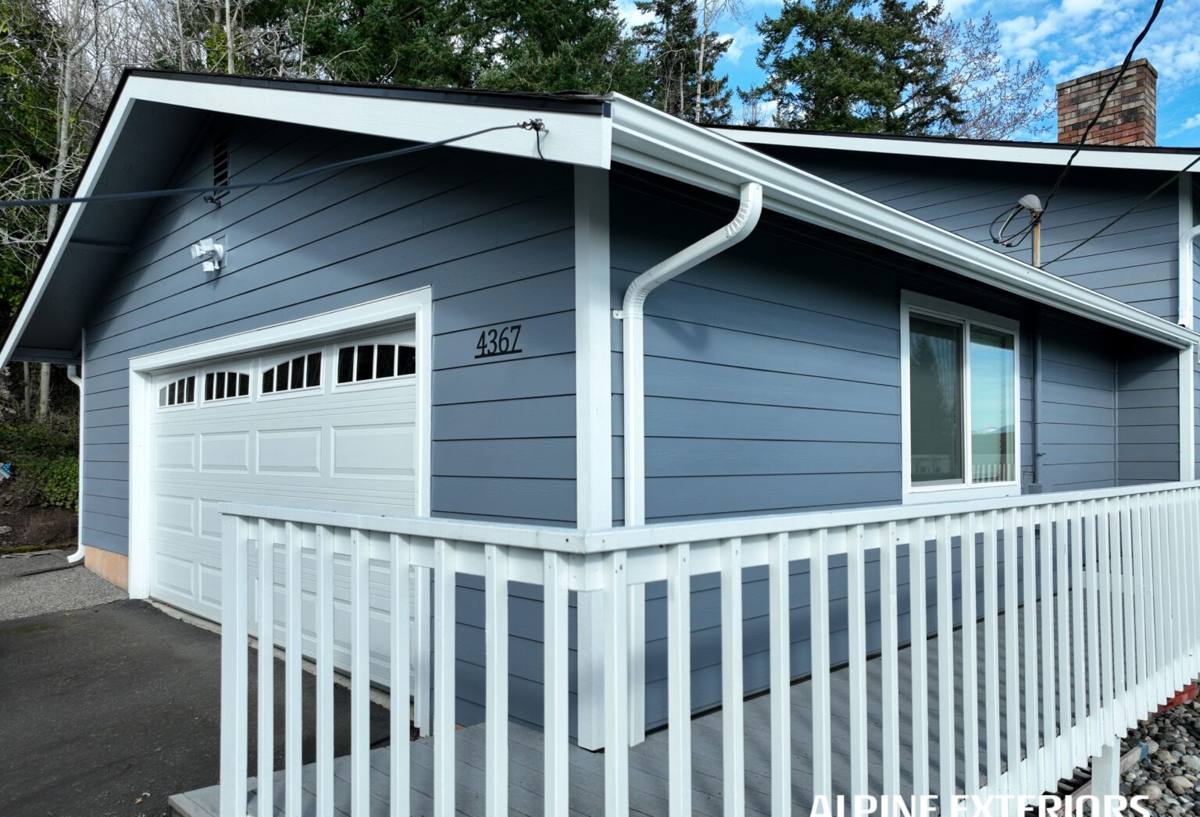
What the Local Climate Actually Does to a Shingle Roof
Moss and Organic Growth
Shaded, north-facing slopes under a tree canopy stay damp for days after a storm passes. That moisture, combined with organic debris from overhanging branches, is exactly what moss and algae need to take hold. Left alone, moss works its way under shingle edges and lifts tabs, which is how a moss problem quietly turns into a leak.
Wind-Driven Rain
Seattle's rain isn't usually torrential, but it's frequent, and storms off Puget Sound often come in at an angle rather than straight down. Wind-driven rain finds weak spots — poorly sealed nail heads, thin flashing laps, worn ridge caps — that a roof in a calmer climate might get away with for years longer.
Salt Air and Metal Components
Ravenna sits inland from the water compared to some Seattle neighborhoods, but King County as a whole still carries a mild salt-air influence off the Sound. Over the life of a roof, that air is slowly corrosive to exposed metal — flashing, fasteners, vent stacks — which is part of why material choice and installation detail on those components matters more here than in a landlocked climate.
Warning Signs Worth a Closer Look
Homeowners in this neighborhood tend to notice roof problems later than they should, mostly because tree cover hides a lot of what's happening up there. A few things worth checking, especially after Ravenna's wettest months:
- Dark streaking or a green-black tint on shaded slopes — early moss and algae growth
- Granules collecting in gutters or at downspout outlets, a sign shingles are wearing thin
- Shingle tabs that look lifted, curled, or cupped at the edges
- Soft spots or slight sagging when walked on, which can point to deck moisture underneath
- Rust staining or gaps around flashing at chimneys, skylights, and roof-to-wall transitions
- Daylight visible through the attic roof deck, or damp insulation near the eaves
- Debris buildup in valleys that never fully clears, even between storms
Any one of these on its own isn't necessarily an emergency, but they're worth a professional look rather than a wait-and-see approach.
What a Correct Asphalt Shingle Installation Involves
Deck and Underlayment
Everything starts with the roof deck. Soft, delaminated, or water-stained sheathing gets replaced before a single shingle goes down — covering a bad deck with new shingles just hides a problem that will resurface as a leak. Over that deck, a synthetic or felt underlayment lays down a first line of moisture defense, with self-adhering ice-and-water membrane at eaves, valleys, and other vulnerable transitions where wind-driven rain is most likely to find a way in.
Flashing Details
Flashing at chimneys, skylights, sidewalls, and valleys is where most shingle roof leaks actually originate, not in the field of the roof itself. Given the salt-air exposure and constant moisture cycling in this area, we treat flashing as a system, not an afterthought — properly lapped, sealed, and tied into the underlayment so water is directed off the roof rather than trapped against it.
Ventilation
A shingle roof lives or dies by attic ventilation. Balanced intake at the eaves and exhaust at the ridge keeps the roof deck at a stable temperature and humidity, which slows condensation buildup underneath the shingles — a real concern under Ravenna's tree cover, where shaded roofs already run cooler and damper than sun-exposed ones nearby.
Choosing a Shingle That Can Handle Ravenna's Tree Canopy
Not every asphalt shingle handles a shaded, tree-heavy lot the same way. The biggest practical difference for a neighborhood like this is algae resistance — copper- or zinc-infused granules that slow the black and green staining common on north-facing, shaded slopes.
| Shingle Type | Typical Lifespan | Best Fit For |
|---|---|---|
| 3-Tab (economy) | 15–20 years | Budget-driven projects, minimal tree cover |
| Architectural / Dimensional | 25–30 years | Most Ravenna homes — better wind and impact resistance |
| Algae-Resistant Premium | 30+ years | Shaded, tree-heavy lots prone to moss and staining |
For most Ravenna properties with any meaningful tree cover, an architectural shingle with algae-resistant granules is the more sensible long-term choice. It costs more up front than a basic 3-tab, but it holds its color and seal integrity noticeably longer under the exact conditions this neighborhood produces.
Our Process on Ravenna Roofing Projects
We start with a full roof inspection from the ground and, when needed, from the roof itself — checking the deck, flashing, ventilation, and shingle condition rather than just eyeballing the surface. From there:
- We walk the property to plan safe staging and material access, accounting for mature trees, narrow side yards, and tight lot lines that are common in this part of Seattle
- Existing shingles and underlayment are torn off completely — we don't layer new shingles over old on a full replacement
- Any damaged decking is replaced and the roof is inspected for hidden moisture before anything new goes down
- New underlayment, ice-and-water membrane, flashing, and shingles are installed to manufacturer specification
- Ventilation is checked and corrected where intake or exhaust is inadequate
- The property is cleaned up, including a magnetic sweep for stray fasteners, before we walk the finished roof with the homeowner
Most full residential reroofs in Seattle also require a permit through the city, which we handle as part of the project rather than leaving it to the homeowner.
Cost Factors for a Ravenna Reroof
Every roof is different, but the same handful of factors drive most of the price variation we see on jobs in this neighborhood:
| Factor | Why It Matters Here |
|---|---|
| Roof pitch and access | Steeper pitches and tree-obstructed access slow every stage of the job |
| Number of existing layers | Tear-off of multiple old layers adds labor and disposal cost |
| Deck condition | Shaded, moisture-prone roofs more often need sheathing repair or replacement |
| Shingle tier selected | Algae-resistant and architectural shingles cost more but last longer under tree cover |
| Flashing and ventilation upgrades | Older Ravenna homes sometimes need flashing or venting brought up to current standards |
We give a written, itemized estimate before any work begins so you know exactly what's driving the number, rather than a single lump figure.
Keeping a Shingle Roof Sound Between Ravenna's Wet Seasons
A well-installed shingle roof still needs some upkeep in a neighborhood like this. Gutters and valleys should be cleared of needles and leaves at least once, often twice, a year — clogged gutters back water up under the shingle edge, which is one of the most common causes of edge rot we see on older roofs here. Overhanging limbs are worth trimming back where they brush or shade the roof directly, since that contact keeps shingles wetter longer and deposits more debris than branches a few feet clear. And any moss that does establish itself is best treated early and gently — aggressive pressure washing strips granules and shortens the roof's life faster than the moss itself would.
Why Hire a Crew That Already Works in Ravenna
A lot of what makes a roofing job go smoothly here has nothing to do with the shingle itself. It's knowing how to stage a tear-off safely on a lot with mature trees and a narrow driveway, understanding which streets and lot configurations call for extra care with material delivery and debris disposal, and being familiar with the mix of older craftsman and Tudor-style homes alongside newer construction that makes up this part of Seattle. It also means knowing what King County's climate actually does to a roof over ten or twenty years, not just what a manufacturer's brochure says in ideal conditions. A crew that works this neighborhood regularly brings that judgment to your project instead of learning it on the job.
If you're noticing moss, granule loss, or aging shingles on your Ravenna home, we're happy to take a look and walk you through what we find — no pressure, no obligation. Use the form below to request a free estimate.