 Seattle Exterior
 Building Decks for Ravenna's Tree Cover and Pacific Northwest Weather
Ravenna is one of Seattle's more heavily wooded neighborhoods, built around a wooded ravine and lined with mature conifers and big-leaf maples that shade the streets and yards below. That canopy is part of what makes the neighborhood pleasant to live in, but it's also the reason decks here age differently than decks in sunnier parts of King County. Less direct sun means slower drying after rain. Slower drying, combined with the moist marine air that moves in off Puget Sound and Lake Washington, means moss, algae, and mildew get a longer season to establish themselves on any horizontal wood surface — decks included.
A deck built without that reality in mind will look fine for a year or two and then start showing problems: dark streaking, soft spots underfoot, slippery boards after a light rain, and rust bleeding from fasteners. None of that is inevitable. It's a function of design and material choices made — or skipped — at the framing stage, long before the finished boards ever go down.
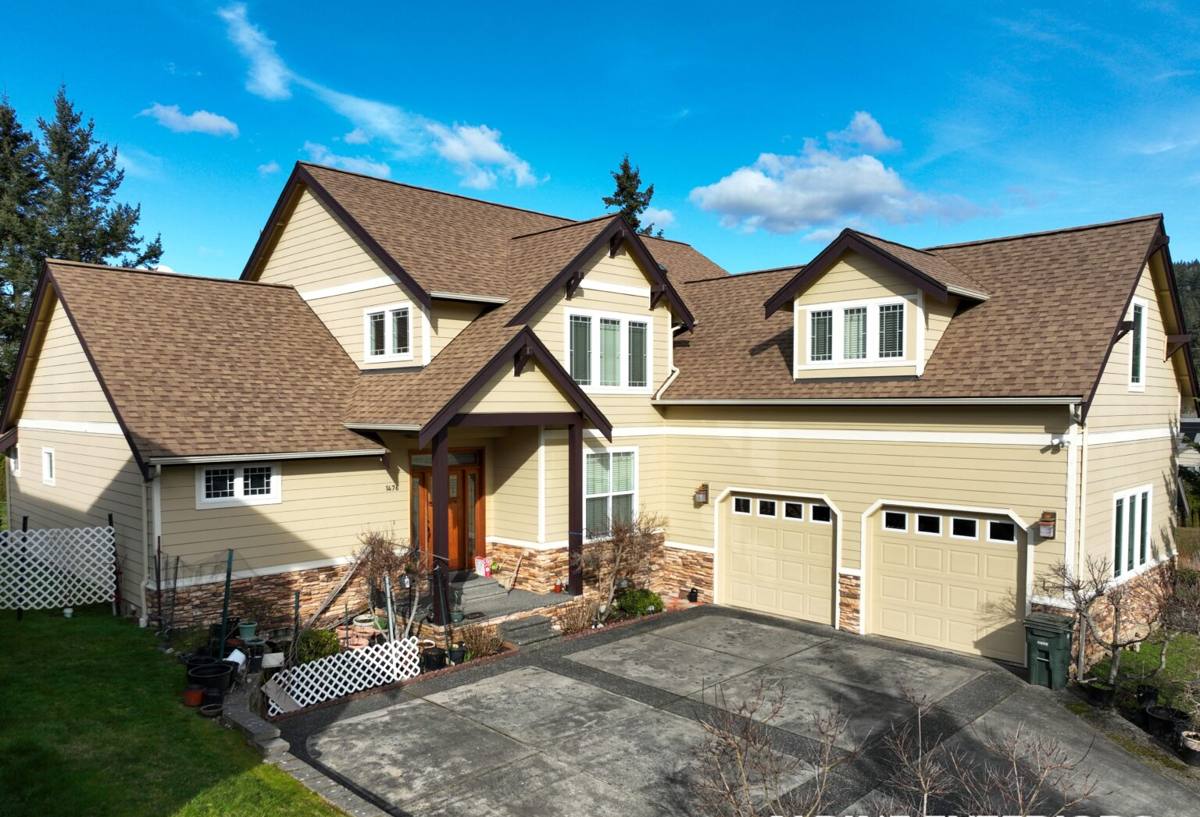
What Shade, Rain, and Salt Air Actually Do to an Under-Built Deck
It helps to understand the specific failure modes before talking about how to prevent them, because the fixes only make sense in that context.
Trapped Moisture
Decking boards laid without proper gapping, or over framing with no airflow underneath, hold water long after a storm passes. In a shaded yard, that water may not fully evaporate between rain events for weeks at a time during the wet season. Wood decking absorbs it, swells, and eventually cups or splits. Composite decking without ventilation underneath can develop mold on the underside even though the surface looks clean.
Ledger and Rim Joist Rot
The ledger board — where the deck attaches to the house — is the single most common point of structural failure on residential decks. Without correct flashing, water works its way behind the ledger and into the house's rim joist. In a wet climate like ours, that damage can go on for years before it's visible from the outside.
Corrosion
The mix of driving rain and salt-tinged coastal air accelerates corrosion on fasteners, joist hangers, and post bases that aren't rated for exterior, coastal-adjacent exposure. Once a hanger or bolt starts to rust, it's not just cosmetic — it's a slow loss of load-bearing capacity.
Moss and Slip Hazard
Moss doesn't just look bad. On a deck surface it holds moisture against the wood or composite cap, and once established it makes the surface genuinely slick — a real concern on stairs and near entry doors.
The Structural Basics: What a Correct Build Involves
None of this is exotic. It's standard deck-building practice applied consistently, without shortcuts, because shortcuts show up faster in a climate like Ravenna's.
Footings
Footings need to be sized and set to local frost and soil conditions, not eyeballed. Ravenna's older lots often have a mix of native soil and fill from decades of landscaping, so we check bearing conditions at each footing location rather than assuming uniform soil across the yard.
Ledger Attachment and Flashing
Where a deck attaches to the house, correct step flashing and a water-resistant barrier behind the ledger are non-negotiable. This is the detail most likely to be rushed on a lower-budget build, and it's the one that causes the most expensive damage down the road.
Framing and Joist Spacing
Joist spacing tightens up under composite decking compared to wood, and it should also account for the specific board profile being installed. Framing lumber should be rated for ground contact or exterior exposure, not standard construction-grade stock.
Fasteners and Hardware
Stainless steel or heavy-coated, corrosion-rated fasteners and connectors cost more up front and are worth it every time in this climate. This is one of the cheapest details to get right at the time of build and one of the most expensive to fix later.
Choosing a Decking Material for a Shaded, Wet Yard
Every decking material sold today can technically handle Pacific Northwest weather. The real question for a shaded Ravenna lot is how much upkeep each one asks of you in exchange for looking good.
| Material | Moss & Algae Behavior | Maintenance Needed | Typical Lifespan | Best Fit |
|---|---|---|---|---|
| Cedar / natural wood | Prone to growth in shade without regular cleaning and sealing | Annual cleaning and re-sealing or staining | 15–25 years with upkeep | Owners who want a natural look and don't mind maintenance |
| Pressure-treated lumber | Moderate; needs airflow underneath to resist growth | Periodic cleaning, occasional sealing | 15–20 years | Budget-conscious framing and lower-visibility decks |
| Capped composite | Resists staining and growth well; still needs occasional washing | Low — rinse and occasional wash | 25–30+ years | Shaded, heavy-traffic decks where low upkeep matters most |
| PVC decking | Best resistance to moisture absorption and organic growth | Low | 25–30+ years | Very shaded or moisture-prone areas near the house |
We don't push composite or PVC on every job — a well-built cedar or treated-wood deck, sealed and maintained on schedule, holds up fine in Ravenna's climate. The honest trade-off is time: wood asks for a maintenance routine, capped composite and PVC ask for a larger check up front. We'll walk through that trade-off against your budget and how much yearly upkeep you actually want to take on.
Design Choices That Work With a Wooded Lot
Ravenna's lots and street layout often put mature trees close to where a deck would naturally go. That changes a few design decisions:
- Board spacing and substructure ventilation are sized generously for slower drying conditions, not just minimum code gap.
- Footing placement is planned around root zones of trees you want to keep healthy, rather than the most convenient layout.
- Where a deck sits under heavy canopy, we'll talk through drainage options — including under-deck drainage systems for a usable dry space below — rather than letting water pool on grade.
- Railing and stair placement account for how shade shifts through the day so the most-used areas aren't the dampest ones.
None of this requires removing healthy trees or radically changing your yard. It's about designing the deck to work with the shade pattern you already have instead of ignoring it.
Permits and Code in Seattle
Most attached decks, and any deck above a certain height off grade, require a permit through Seattle's Department of Construction & Inspections. Guardrail height, stair geometry, and structural requirements are set by code and inspected before the job is signed off. Requirements shift over time and depend on the specifics of the site, so we handle the permit determination and filing as part of the project rather than leaving it for the homeowner to sort out — it's one less thing to chase down, and it means the finished deck is actually documented and legal, which matters when you go to sell the house.
Our Deck Building Process
The process is the same discipline on every job, whether it's a small entry deck or a large multi-level build:
- Site visit and assessment — we look at grade, drainage, sun/shade pattern, tree placement, and the condition of anything being replaced.
- Design and material selection — sized to your budget and how much maintenance you want to take on, using the trade-offs above as the starting point.
- Permit filing — handled on our end with the city before work starts.
- Removal of the old structure if applicable, with a check of the ledger area and framing underneath for hidden rot before rebuilding.
- Footings and framing — set to local soil conditions, flashed and fastened with corrosion-rated hardware.
- Decking, railing, and stairs — installed with spacing and fastening appropriate to the chosen material.
- Final walkthrough and inspection — we review the finished deck with you and coordinate the city inspection.
Living With a Deck Through Moss Season
A well-built deck in Ravenna still needs some seasonal attention — the difference is how much, and how forgiving the deck is if you fall a little behind.
- Sweep leaves and needles off the surface regularly in fall; trapped organic debris is what feeds moss growth.
- Rinse or wash the deck surface once or twice a year, more often in heavily shaded spots.
- Trim back branches that keep the deck in constant shade or drop debris directly onto it.
- Check and clear any gaps between boards that collect debris, since blocked gaps stop the airflow the framing was designed for.
- Re-seal or stain wood decking on the schedule recommended for the product — skipping a year in this climate shows up fast.
- Walk the deck once a year and check for soft boards, loose fasteners, or rust staining, especially near the ledger and stairs.
Why Hire a Crew That Already Works in Ravenna
Deck-building fundamentals don't change by neighborhood, but the specific conditions do. A crew that regularly works Ravenna and the surrounding North Seattle neighborhoods has already seen how a given lot's shade pattern, soil, and tree cover affect a deck over its first few wet seasons — not just on paper, but on jobs down the street. That translates into fewer surprises during the build, a permit process that goes smoothly because we know what King County and Seattle inspectors are looking for, and a finished deck that's built for the climate it's actually going to sit in, not a generic spec sheet.
If you're planning a new deck or replacing one that's showing its age, we're happy to walk the site with you, look at what the shade and drainage are actually doing to the space, and put together a straightforward estimate — no pressure, no obligation. The form below is the easiest way to get that conversation started.