 Seattle Exterior
 Windows Built for What Ravenna Weather Actually Does
Ravenna's older housing stock — a mix of early-1900s Craftsman bungalows, mid-century additions, and newer infill homes — was largely built with single-pane or early double-pane windows that were never designed for the moisture load Seattle sees today. Over years of Puget Sound weather, those original windows lose their seal, their wood sashes swell and stick, and the glass fogs between panes. Replacing them isn't just about comfort or a lower energy bill, though both matter. It's about stopping slow water damage that's often invisible until a sill or a section of wall framing is already compromised.
We work on homes throughout King County, and Ravenna comes with its own pattern: mature tree canopy that keeps roofs and window trim shaded and damp longer after a storm, a housing mix that spans several decades of window technology, and homes close enough together that window replacement often has to account for tight side-yard access. None of that is unique to any one house — it's the neighborhood as a whole.
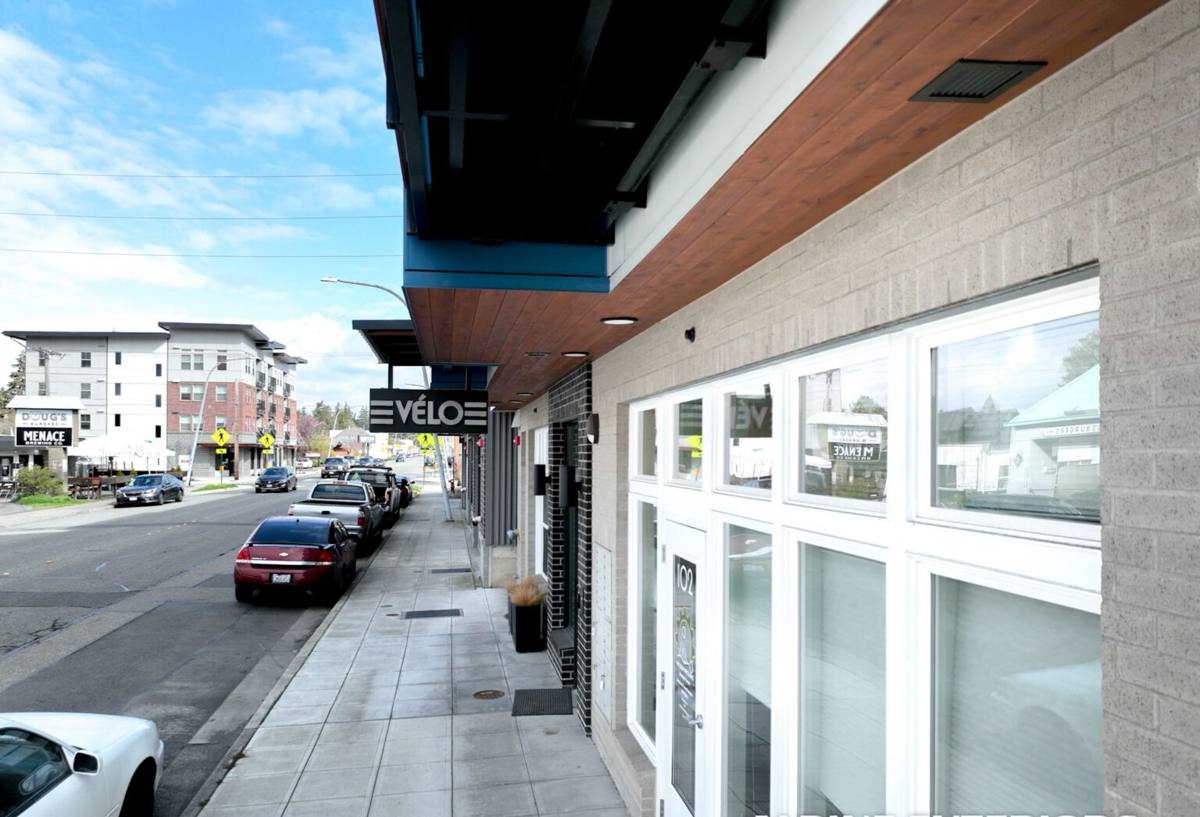
What Seattle's Climate Does to Windows Over Time
Three things drive window failure here faster than in drier climates: salt-tinged marine air moving in off Puget Sound, long stretches of driving rain rather than short downpours, and a moss and algae season that can run eight months or more. Each one attacks a window assembly differently.
Salt Air and Metal Fatigue
Marine air carries fine salt and moisture that accelerates corrosion on aluminum frames, window hardware, and fasteners. Cheaper hardware — hinges, locks, balance mechanisms — tends to seize or corrode years before the glass itself fails. This is one reason we're particular about the hardware grade on any window we install, not just the glass package.
Driving Rain and Wind-Driven Water Intrusion
Seattle rain rarely falls straight down. Wind off the Sound pushes it sideways into window assemblies, which means flashing and sealant details matter as much as the window unit itself. A well-built window installed with poor flashing will still leak. We've seen plenty of window units that were fine on their own, undone by a installation shortcut around the flange.
Moss, Algae, and Prolonged Dampness
Shaded, damp conditions for much of the year let moss and algae take hold on window sills, trim, and cladding faster than in sunnier climates. That growth holds moisture against wood trim and caulk joints, which shortens the life of both. Frame material and trim detailing that shed water and dry quickly hold up far better here than materials that trap moisture against the surface.
What "Energy-Efficient" Actually Means for a Window
"Energy-efficient" gets used loosely in this industry. For a Ravenna home, it should mean three specific things working together — not just a sticker on the glass.
Glass and Glazing
Double-pane glass with a low-emissivity (low-E) coating and an inert gas fill (typically argon) is the baseline for this climate. Low-E coatings reduce heat loss through the glass in winter and reduce solar heat gain in the rare stretches of strong summer sun. For west- and south-facing rooms that get more direct exposure, we'll sometimes recommend a slightly different glass package than for north-facing rooms that see mostly diffuse light — a one-size-fits-all glass spec across a whole house often means overpaying on some elevations and underperforming on others.
Frame Material
Vinyl, fiberglass, and clad-wood frames each have a place, and the right choice depends on the home's age, style, and budget more than on any single frame being universally "best." Vinyl offers strong value and low maintenance. Fiberglass holds its shape better across temperature swings and takes paint well if you want to match existing trim. Clad-wood gives a traditional interior look for period homes but carries more maintenance responsibility on any exposed wood. We'll walk through the honest trade-offs for your specific house rather than push one material across the board.
Installation Quality
The window unit itself is maybe half the performance equation. The other half is how it's flashed, sealed, insulated around the rough opening, and trimmed. A premium window installed with gaps in the flashing or insufficient sealant will underperform a mid-grade window installed correctly. This is the detail that gets rushed on lower-bid jobs, and it's the detail that causes callbacks two winters later.
Signs Your Ravenna Home's Windows Are Underperforming
Most homeowners notice a problem long after it started. Here's what to check for before it becomes a bigger repair:
- Visible fogging or a milky haze between panes of double-pane glass — the seal has failed and the gas fill is gone
- Noticeable draft or cold air near the window frame even with it fully closed
- Wood sashes or sills that feel soft, spongy, or show dark staining
- Windows that are difficult to open, close, or lock — often a sign of frame swelling or a failed balance mechanism
- Condensation forming on the inside of the glass regularly during colder months
- Moss or algae buildup on sills and trim that keeps returning within weeks of cleaning
- A noticeable jump in heating costs without a corresponding change in usage
- Visible gaps or cracked caulking around the exterior frame
Our Process for a Ravenna Window Job
We keep the process the same regardless of how many windows are involved, because skipping steps is where problems start.
- On-site assessment. We look at each window opening individually — sun exposure, current condition, framing, and any existing water damage — rather than quoting off a generic per-window price.
- Honest product recommendation. We'll explain frame and glass options in plain terms, including what we'd choose for our own home in that same spot, and why.
- Written estimate. Clear line items, no vague allowances buried in the total.
- Removal and inspection. Once old windows come out, we check the rough opening and sheathing for hidden rot before anything new goes in. This is often where older Ravenna homes reveal issues that weren't visible from outside.
- Proper flashing and sealing. This is the step that determines whether the window performs for twenty years or leaks in three.
- Final check and cleanup. We confirm operation, seal quality, and site cleanup before calling the job done.
Cost Factors to Understand Before You Get Quotes
Window pricing varies a lot based on factors that aren't always explained clearly. Here's what actually moves the number:
| Factor | Why It Matters |
|---|---|
| Frame material | Vinyl is typically the most budget-friendly; fiberglass and clad-wood cost more but offer different durability and appearance trade-offs |
| Window size and type | Large picture windows or custom shapes cost more than standard double-hung or slider sizes |
| Number of windows | Whole-house replacements typically bring a better per-window rate than a single unit |
| Access and second-story work | Tight side-yard access or upper-floor windows can add labor time |
| Existing damage | Rot or framing repair discovered during removal adds cost beyond the base window quote |
| Glass upgrades | Additional low-E coatings, tinting, or sound-dampening glass raise the per-unit cost |
Broadly, homeowners in this area should expect a wide range depending on these factors — anyone quoting a firm number before seeing the actual openings and conditions is guessing. We'd rather assess in person and give you a number tied to your house.
Why Hiring a Crew That Already Works Ravenna Matters
A contractor who works this neighborhood regularly already knows the common window ages and failure patterns in the local housing stock, understands how tree cover and lot spacing affect drying time after installation, and has already worked around the access constraints that come with closely spaced lots. That familiarity shows up in fewer surprises during the job and fewer callbacks after. It also means we're not guessing at how King County permitting or inspection expectations apply to a given scope of work — we've been through it before.
Beyond local knowledge, we'd point to the basics that should be true of any exterior contractor you hire in Seattle: proper licensing and insurance, a written scope of work, manufacturer-backed product warranties, and a willingness to explain trade-offs instead of just upselling. If a contractor can't clearly answer why they're recommending a specific frame or glass package for your specific window openings, that's worth asking more questions about before signing anything.
Maintenance After Installation
New windows still need basic upkeep in this climate to reach their full lifespan:
- Clean sills and tracks a few times a year to prevent moss and debris buildup
- Check exterior caulking annually, especially after a hard winter, and address any cracking early
- Keep gutters and downspouts clear so water isn't running down near window flashing
- Operate locks and hardware periodically even on windows you don't open often, to keep mechanisms from seizing
- Address any moss on nearby trim or siding promptly rather than letting it spread onto the window frame
None of this is heavy work, but skipping it is how a well-installed window ends up needing attention years earlier than it should.
Getting an Honest Look at Your Windows
If your Ravenna home has windows that are drafty, fogged, sticking, or just older than you'd like to think about, it's worth getting an in-person assessment before assuming you need a full replacement — sometimes a repair or a partial replacement makes more sense. We offer a free, no-pressure estimate using the form below, and we'll give you a straight answer about what your windows actually need.