 Seattle Exterior
 Renton's Climate Puts Real Demands on Exterior Siding
Renton sits in the wet middle of King County's marine climate — moist air moving in off Puget Sound and Lake Washington, months of low gray cloud cover, and rainfall that doesn't come in dramatic storms so much as a steady, months-long soak from fall through spring. That combination is harder on siding than most homeowners realize. It's not one big storm that damages a wall system; it's thousands of hours of dampness sitting against the surface, freeze-thaw cycling in the colder snaps, and shaded north- and east-facing walls that never fully dry out between rain events.
Add in Renton's long moss season — mossy roofs and mossy fences aren't just cosmetic here, they're a sign of how much moisture the building envelope is dealing with — and you have a climate that rewards siding materials engineered for sustained wet exposure and punishes anything that relies on paint film or caulk alone to keep water out.
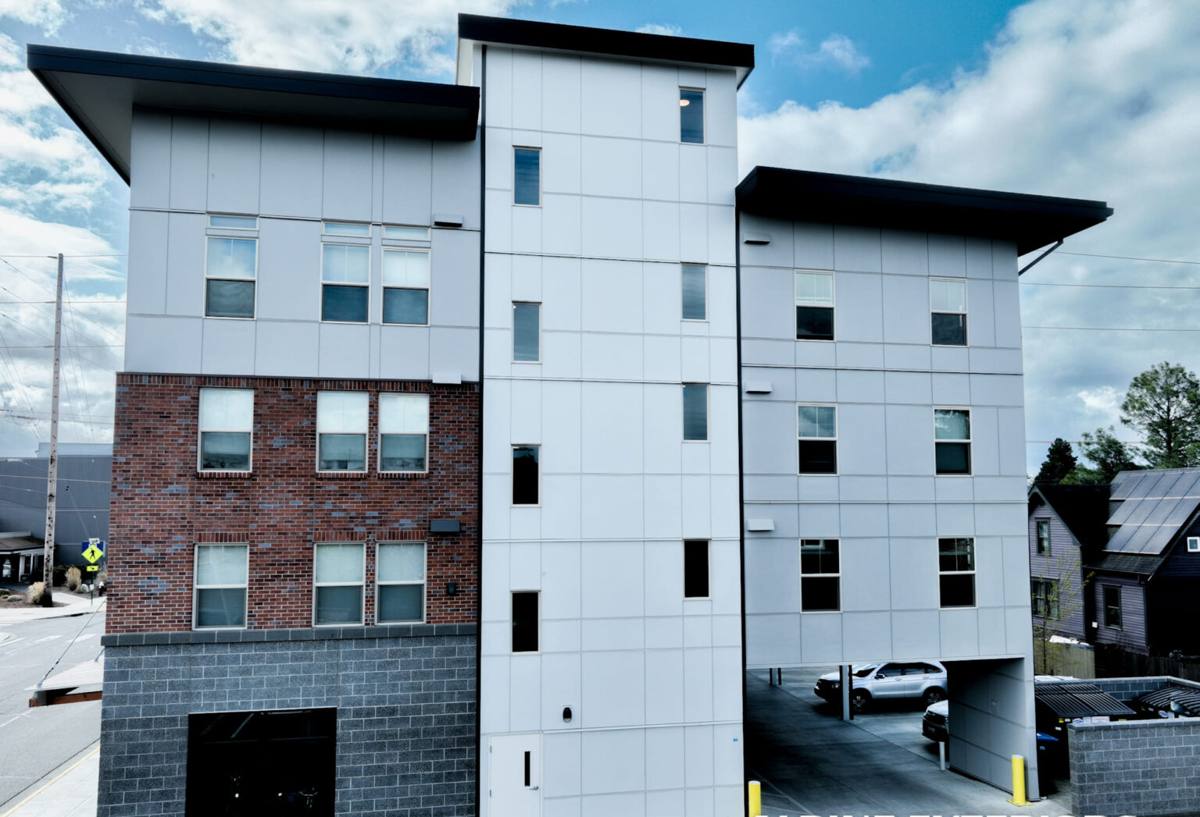
What Renton Homes Actually Need From Their Siding
Renton's housing stock spans a wide range — established mid-century neighborhoods on the valley floor, homes up in the Highlands with more wind and weather exposure, and newer construction throughout the city. Regardless of vintage, the exterior envelope in this part of King County needs to handle a few things well:
- Sustained damp exposure without swelling, delaminating, or losing paint adhesion
- Resistance to moss, mold, and mildew growth on shaded and north-facing elevations
- Dimensional stability through repeated wet-dry and freeze-thaw cycles
- A factory finish that doesn't need repainting every five to seven years, since repainting means scaffolding, weather windows, and disruption
- Solid performance against wind-driven rain, especially on more exposed lots
This is exactly the profile James Hardie fiber cement siding was engineered for. It's a cement, sand, and cellulose fiber product that doesn't absorb and swell the way wood-based products do, and it carries a factory-applied finish instead of relying on field-applied paint to do the waterproofing work.
Why We Only Install James Hardie
We made a decision as a company to install James Hardie fiber cement exclusively — not vinyl, not LP SmartSide, not Cemplank or Allura, not primed spruce or cedar. That's not a marketing angle; it's a standard we hold because of what we've seen these products do (and not do) on real King County homes over years of exposure to this exact climate.
Wood-based siding products, even engineered ones, are still organic material at the core. In a climate where walls stay damp for extended stretches, any breach in the coating — a nail pop, a hairline gap at a butt joint, a spot where caulk has failed — gives moisture a path into material that can swell, rot, or delaminate from the inside out. Vinyl siding handles moisture fine on its own, but it's a cladding, not a moisture-managed system in the same sense, and it has real limits on impact resistance and appearance longevity. Cedar is beautiful but demands a maintenance commitment — regular refinishing, sealing, and vigilance against moss and rot — that most homeowners don't sign up for once they understand what it actually takes to keep it looking good here.
James Hardie's fiber cement doesn't have those failure modes. It's non-combustible, it doesn't swell with moisture the way wood does, and the ColorPlus factory finish is baked on under controlled conditions rather than brushed on in the field, which is a meaningfully more durable and consistent way to protect a board against Renton's rain and gray-sky months.
The James Hardie Product Lines We Work With
| Product | Best Use | Why It Fits Renton |
|---|---|---|
| HardiePlank lap siding | Primary wall cladding, most home styles | Most common choice locally; handles wind-driven rain well when lapped and flashed correctly |
| HardiePanel vertical siding | Modern facades, accent walls, gable ends | Clean lines for contemporary Renton builds and additions |
| HardieShingle siding | Craftsman and cottage-style homes | Shingle look without the moisture and moss vulnerability of real cedar shakes |
| HardieTrim boards | Corners, window and door trim, fascia | Stays dimensionally stable next to plank siding instead of shifting or cupping |
Most Renton homes are in James Hardie's HZ5 climate engineering zone, which covers colder, wetter regions of the country. Hardie manufactures to that zone specification, which affects moisture management and freeze performance — it's part of why we don't substitute a generic fiber cement product; the engineering behind the zone system is specific to climates like ours.
ColorPlus Factory Finish
ColorPlus is a baked-on, multi-coat finish applied at the factory rather than after installation. For a climate with as many wet months as Renton gets, that matters — field-applied paint has to cure in the right weather window and is only as good as the conditions on the day it's applied. A factory finish is consistent board to board and comes with its own finish warranty, separate from the substrate warranty on the siding itself.
What a Correct Installation Involves
James Hardie siding performs the way it's supposed to only when it's installed to Hardie's own specifications. This is where a lot of the real-world moisture problems on fiber cement jobs actually come from — not the material, but shortcuts in the install. A correct job on a Renton home includes:
- A properly installed weather-resistant barrier (housewrap) behind the siding, lapped correctly for drainage
- A drainage plane or rainscreen gap where conditions call for it, so any moisture that gets behind the cladding has somewhere to go
- Correct fastener type, spacing, and placement — over-driven or under-driven nails are a common source of long-term problems
- Proper clearance between the bottom of the siding and grade, decks, patios, and roof lines to avoid wicking moisture
- Careful flashing and caulking at every window, door, and penetration — the details, not the field of siding, are where leaks start
- Correct joint treatment at butt seams and panel edges, per Hardie's installation guide
Any of these done wrong can void the manufacturer's warranty and, more importantly, let water into the wall assembly regardless of how good the siding material itself is. This is the main reason we tell homeowners the crew matters as much as the product.
Our Process for a Renton Siding Job
1. On-Site Assessment
We walk the home, look at the current siding and trim condition, check for existing moisture damage or rot at vulnerable points (bottom courses, window sills, deck ledger areas), and evaluate what's driving the need for new siding — age, damage, moisture intrusion, or an upgrade.
2. Scope and Product Selection
We go over which HardiePlank profile, exposure, and color fit the home, and whether trim, fascia, or other elements should be replaced or upgraded at the same time to keep the whole envelope consistent.
3. Prep and Moisture Check
Before new siding goes on, we address anything found underneath — damaged sheathing, missing or degraded housewrap, framing that needs attention. Covering up an existing moisture problem with new siding just hides it.
4. Installation to Manufacturer Spec
Installation follows James Hardie's published fastening, clearance, and flashing requirements, not shortcuts. This is also what keeps the manufacturer's warranty intact.
5. Final Walkthrough
We review the finished job with the homeowner, including care and maintenance basics specific to ColorPlus-finished fiber cement.
Why It Matters to Hire a Crew That Already Works Renton
Fiber cement installation isn't identical everywhere. A crew used to a dry climate can develop habits — tighter clearances, less attention to drainage details — that don't hold up in a market where homes spend a good chunk of the year damp. Working regularly in King County means already knowing which details on a Renton home need the most attention: shaded elevations that stay wet longer, grade and drainage conditions common in the area, and how the local moss and mildew pressure shows up on north-facing walls first.
It also means understanding what King County and City of Renton permitting and inspection typically expect for exterior work, and having a realistic sense of installation timelines around the region's wetter months, since fiber cement installation has weather considerations of its own.
Maintenance: What Ongoing Care Actually Looks Like
One of the real advantages of James Hardie over wood-based alternatives is how little ongoing maintenance it demands — but "little" isn't "none." A simple annual routine keeps it performing well in this climate:
- Rinse the siding down once a year to clear pollen, dust, and the early stages of moss or mildew film
- Keep gutters clean and functioning so water isn't sheeting down the wall face
- Trim back vegetation and tree cover that keeps a wall shaded and damp longer than necessary
- Check caulking at trim and penetrations periodically and have any cracked or missing sections redone
- Watch for any staining or bubbling at the bottom courses, which can indicate a grade or drainage issue rather than a siding failure
None of this compares to the sanding, sealing, and repainting cycle that cedar or primed wood siding requires, which is a big part of why we consider James Hardie the right long-term answer for homes in this climate.
Getting Started
If you're dealing with aging, damaged, or moisture-stressed siding on a Renton home, we're happy to take a look and walk you through what's actually going on with your walls — no pressure, no scare tactics. Reach out for a free estimate and we'll give you a straight assessment of your siding's condition and what correct James Hardie installation would look like on your home.