 Seattle Exterior
 Metal Roofing Built for Renton's Weather, Not Against It
Renton sits at the south end of Lake Washington, close enough to Puget Sound that homes here deal with the same moisture-heavy weather pattern as the rest of King County: long stretches of steady rain, moist marine air rolling in off the water, and short, low-angle winter sun that leaves north-facing roof slopes damp for days at a time. That combination is hard on roofing. It's also exactly the kind of environment metal roofing was built to handle, when it's installed correctly by a crew that understands how water actually moves across a roof in this climate.
We install metal roofing for homeowners throughout Renton and the surrounding Seattle area, and we treat every job as a local job first. That means accounting for how a specific home sits relative to tree cover, wind exposure, and drainage before we ever talk panel style or color.
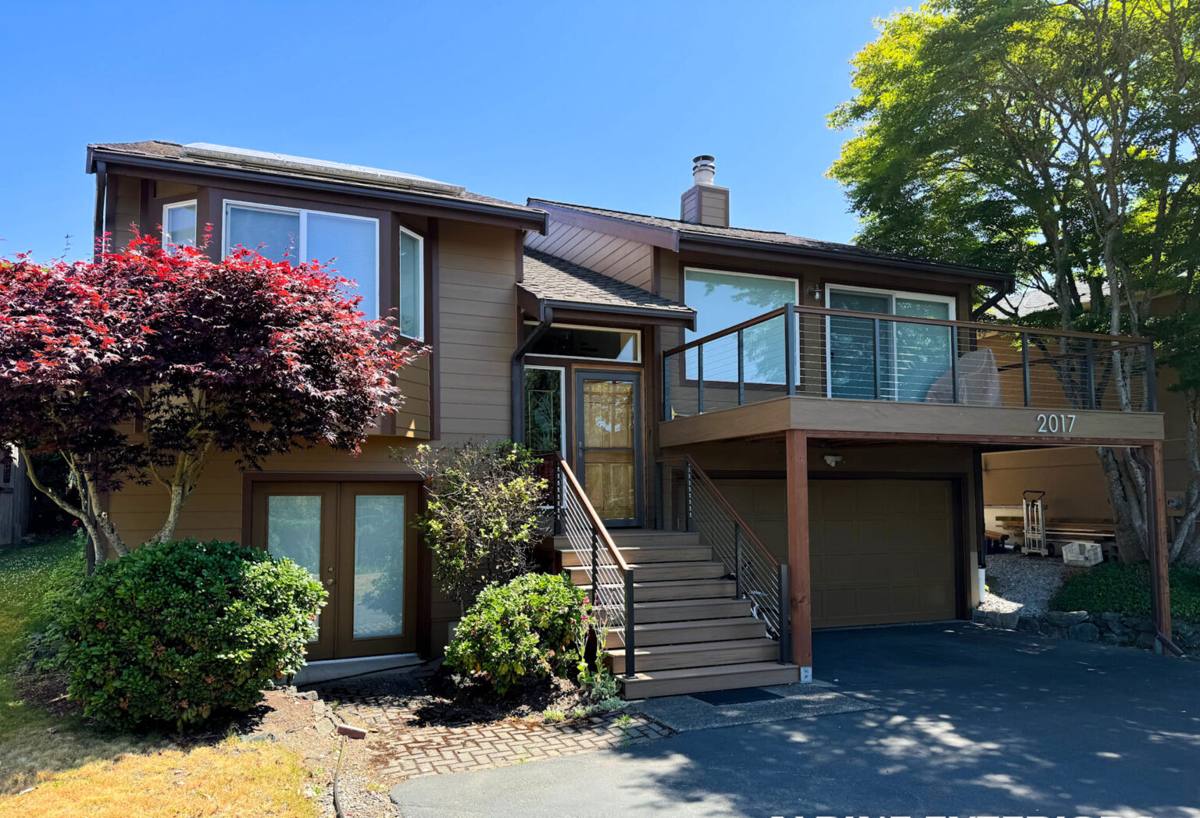
Why Renton's Climate Changes the Calculation
A metal roof installed the same way in a dry inland climate and a metal roof installed correctly for Renton are not the same project, even if the panels look identical from the street. Here's what our region actually does to a roof over time:
- Driving rain — wind-blown rain doesn't just fall straight down here; it gets pushed sideways into laps, seams, and fastener points. Underlayment choice and seam design matter more than in calmer climates.
- Extended damp seasons — long stretches without a full dry-out cycle mean any weak point in flashing or sealant has more time to fail before anyone notices a leak.
- Moss and organic growth — shaded roof sections, especially north- and east-facing slopes near mature trees, stay damp long enough for moss to establish. Moss holds moisture against the roof surface and, on the wrong material, accelerates deterioration.
- Marine air — proximity to Lake Washington and Puget Sound means slightly higher ambient humidity and airborne moisture, which is a factor in material and fastener selection over the life of the roof.
None of this makes metal roofing a bad choice for Renton. It's actually one of the better-performing options against moss and moisture, provided the installation details are right.
Why Metal Performs Well in This Climate
Metal roofing has a real advantage over organic or textured roofing materials in a wet, moss-prone climate: it doesn't give moss the same foothold. Moss needs a rough, absorbent, or granular surface to establish roots, along with sustained moisture contact. A smooth painted metal panel gives it neither. Water sheds fast, and there's no porous surface for spores to grip. That doesn't mean a metal roof in Renton will never see a streak of algae or a patch of moss in a shaded valley — it can, especially where debris collects — but it won't develop the widespread moss coverage that's common on older roofs shaded by tall conifers.
Metal also holds up well against driving rain because a correctly installed system relies on mechanical seams and lap coverage rather than adhesive bonds or granule wear, which degrade faster under constant moisture cycling.
Where Metal Roofing Still Requires Care
Metal isn't maintenance-free. Fastener backout, sealant aging at penetrations, and debris buildup in valleys are the real long-term issues we watch for on metal roofs in this climate — not moss or leaks from the panel material itself, but from the details around it.
What a Correct Metal Roof Installation Involves Here
A metal roof is only as good as the layers underneath it and the details at every transition. For Renton homes, our installations account for:
Underlayment and Moisture Barrier
We use a high-quality synthetic underlayment rated for extended exposure, with self-adhering ice-and-water membrane at eaves, valleys, and any low-slope transition where wind-driven rain is most likely to find a way in.
Panel Seams and Fastening
Seam type (standing seam vs. exposed-fastener) and fastener spacing are chosen based on roof pitch, wind exposure, and slope length — not a one-size-fits-all spec. Homes in more exposed locations get tighter fastening schedules and, where appropriate, concealed-fastener panel systems that reduce long-term backout risk.
Flashing at Penetrations and Transitions
Chimneys, skylights, vent stacks, and roof-to-wall transitions are where most metal roof leaks actually originate — almost never the panel field itself. We custom-fabricate and seal flashing at every one of these points rather than relying on generic trim pieces.
Ventilation
Proper ridge and intake ventilation keeps the underside of the roof deck dry and prevents condensation buildup, which matters in a climate where the attic space can stay humid for long stretches of the year.
Ice, Debris, and Valley Design
Valleys are widened and lined generously to handle heavy rain volume without backing up, and we plan panel layout to minimize debris traps near tree-heavy lots — common around Renton's more wooded residential areas.
Our Process for a Renton Metal Roofing Project
- On-site assessment — we walk the roof, check the deck condition, note tree exposure, shaded areas, drainage patterns, and existing flashing condition before recommending anything.
- Material and system recommendation — panel profile, gauge, and finish are matched to the home's exposure and the homeowner's budget and style preference, not upsold as one-size-fits-all.
- Written estimate — clear scope, materials, and pricing before any work is scheduled.
- Deck inspection and prep — any soft, rotted, or moisture-damaged decking is identified and addressed before new roofing goes down; installing over a compromised deck is how good materials still fail.
- Underlayment and flashing installation — the moisture-management layer goes in correctly, since this is what actually prevents leaks over the life of the roof.
- Panel installation — installed to manufacturer spec with attention to seam alignment, fastening schedule, and clean transitions at every penetration.
- Final walkthrough — we review the completed roof with the homeowner and go over basic care and what to watch for seasonally.
Comparing Roofing Options for Renton Homes
| Material | Moss Resistance | Driving Rain Performance | Typical Lifespan | Maintenance Needs |
|---|---|---|---|---|
| Standing seam metal | High — smooth surface, minimal moss foothold | Excellent when seams and flashing are done right | 40-70 years | Low — occasional debris clearing, flashing checks |
| Exposed-fastener metal | High | Good, fastener maintenance matters more over time | 30-50 years | Moderate — periodic fastener inspection |
| Composition/asphalt shingle | Lower — granule surface holds moisture and moss spores | Good with proper underlayment | 20-30 years | Higher — moss treatment, granule loss over time |
| Wood shake | Lower — porous, absorbs and holds moisture | Moderate, moisture-sensitive | 20-30 years | High — regular treatment and moss removal |
This isn't a case against other materials — asphalt and wood shake roofs are common and reasonable choices throughout Renton, and plenty perform fine with regular maintenance. But if long-term moss resistance and minimal upkeep are priorities given our climate, metal is a strong fit.
Cost Factors for a Renton Metal Roof
Every metal roofing quote should reflect the specific job, not a flat per-square rate pulled from a national average. The main variables we walk through with homeowners:
- Roof complexity — number of valleys, dormers, penetrations, and roof planes affects labor and flashing work significantly.
- Panel system — standing seam with concealed fasteners costs more up front than exposed-fastener panel systems, but typically requires less long-term maintenance.
- Deck condition — any decking repair or replacement found during tear-off adds to scope, which is why we flag this possibility during the initial estimate rather than after the fact.
- Existing roof removal — tear-off of an old roof versus installing over an existing deck (where code and condition allow) changes labor cost.
- Slope and access — steep pitches, multi-story homes, and limited equipment access all factor into labor time.
- Gauge and finish — heavier gauge steel and higher-grade paint finishes cost more but generally hold up longer against our wet climate.
We give straightforward, written estimates with the reasoning behind the number, so homeowners understand what they're paying for rather than just a bottom-line figure.
Signs a Renton Roof May Need Attention
A quick homeowner checklist for what to watch for, especially heading into or coming out of the wet season:
- Moss buildup concentrated on shaded slopes, particularly under tree cover
- Water staining or discoloration on interior ceilings, especially near chimneys or skylights
- Sagging or uneven roof lines, which can indicate deck moisture damage
- Visible rust or corrosion at flashing or fastener points on an existing metal roof
- Granule buildup in gutters on an aging asphalt roof
- Debris accumulation in valleys that isn't clearing on its own after rain
Any of these are worth a professional look before they turn into a deck-level repair.
Why a Crew That Already Works Renton Matters
Metal roofing rewards precision. A panel system that's correctly seamed and flashed can genuinely go decades with minimal issues; the same system installed with rushed flashing details or the wrong underlayment for our climate can leak within a few wet seasons. Crews that regularly work in Renton and the greater Seattle area already know how local roofs behave — where moss tends to establish first, how valleys need to be sized for the rain volume we actually get, and which flashing details hold up against sustained marine-air moisture rather than just looking finished on installation day.
That local familiarity shows up in the small decisions: how tight to space fasteners on an exposed ridge, how wide to run a valley on a heavily treed lot, where extra ice-and-water membrane earns its cost. It's not something a crew unfamiliar with this climate can fully replicate from a spec sheet.
Get a Straightforward Estimate
If you're weighing a metal roof for your Renton home, or replacing a roof that's struggling with moss or leaks, we're happy to take a look and give you an honest read on what your roof actually needs. Reach out for a free, no-pressure estimate using the form below.