 Seattle Exterior
 Roof Replacement Built for Rainier Valley
Rainier Valley is one of Seattle's older, more established neighborhoods, and that shows up on its roofs. You've got a mix of early-and-mid-century bungalows, Craftsman-style homes, and newer infill construction sitting under a heavy urban tree canopy, all within a few miles of Puget Sound. That combination — mature trees, marine air, and roofs that in many cases are original or one generation removed from original — means roof replacement here isn't a one-size-fits-all job. What works on a newer subdivision roof in the suburbs doesn't always hold up the same way on a 60-year-old roof deck in South Seattle.
We work Rainier Valley regularly, which matters more than it sounds like. A crew that knows the neighborhood knows what's usually hiding under the shingles on a home of a certain age, knows which streets sit in deeper shade most of the day, and doesn't need a first visit just to figure out what they're dealing with.
What Seattle's Climate Does to a Rainier Valley Roof
King County doesn't get the extreme heat or hail that ages roofs quickly in other parts of the country. Instead, Seattle roofs fail slowly, from moisture and organic growth — a different kind of wear that's easy to underestimate.
Moss and Tree Debris
Rainier Valley's tree cover is part of its character, but it also means shaded roof sections, especially north-facing slopes and areas under overhanging limbs, stay damp for days after a rain. That's exactly what moss needs to take hold. Once moss establishes, it lifts shingle edges, holds moisture against the roof deck, and accelerates granule loss — all things that shorten a roof's life well before it "looks" old.
Driving Rain and Wind-Driven Moisture
Seattle's rain isn't usually violent, but it's frequent and often comes in sideways off the Sound during winter storms. That pushes water into places a roof only built for straight-down rain isn't ready for — under shingle tabs, around flashing laps, and into valleys. Over years, marginal flashing details or worn underlayment turn into slow leaks that show up as a stain on a ceiling long after the water started getting in.
Salt Air and Metal Fatigue
Rainier Valley isn't waterfront, but Seattle's marine air still reaches inland neighborhoods, and it's harder on exposed metal — flashing, vent caps, fasteners — than most homeowners expect. Lower-grade or poorly coated metal components corrode faster here than they would in a dry inland climate, which is why the metal we use in flashing and accessories matters as much as the shingle brand.
Signs a Rainier Valley Roof Needs Replacing, Not Patching
- Moss or dark streaking covering more than a small patch, especially on shaded slopes
- Granules collecting in gutters or at downspout outlets
- Shingles that are curling, cupping, or missing tabs in multiple areas, not just one storm-damaged spot
- Soft or spongy spots when walking the roof, which usually means the deck underneath has taken on moisture
- Daylight visible through the attic roof boards, or damp insulation below the roofline
- A roof that's original to a home built before the 1990s and has never been fully replaced
- Repeated leak repairs in different spots each winter instead of one recurring issue
What a Correct Roof Replacement Actually Involves
A roof replacement is more than swapping old shingles for new ones. In a wet, tree-covered neighborhood like Rainier Valley, the parts you don't see afterward are what determine whether the new roof lasts.
Full Tear-Off and Deck Inspection
We remove the existing roofing down to the deck rather than layering over it. That's the only way to actually see the plywood or plank sheathing underneath and catch soft, delaminated, or water-stained sections before they're covered up again for another 20-plus years.
Underlayment Suited to the Climate
Given how often this region sees sustained rain, we use synthetic or ice-and-water underlayment in vulnerable areas — eaves, valleys, and around penetrations — rather than the bare minimum. This is the roof's backup layer if wind ever drives water past the shingles themselves.
Flashing Done Right
Most roof leaks trace back to flashing, not the shingles themselves — around chimneys, skylights, vent pipes, and roof-to-wall transitions common on Craftsman-style homes. We replace flashing rather than reuse old pieces, and we use corrosion-resistant metal given the marine air this area sees year-round.
Ventilation Balance
Older Rainier Valley homes were often built with minimal or outdated attic ventilation. A roof that traps humid attic air accelerates deck rot and, in this climate, gives moss and mildew an easier foothold from underneath as well as above. We check intake and exhaust balance as part of every replacement, not as an afterthought.
Material Options and Trade-Offs
There's no single "best" roofing material for every Rainier Valley home — it depends on the roof's pitch, shading, budget, and how long you plan to stay in the house. Here's how the common options actually compare in this climate.
| Material | Typical Lifespan Here | Moss Resistance | Best Fit |
|---|---|---|---|
| 3-Tab Asphalt Shingle | 15–20 years | Lower — flat profile holds moisture | Budget-conscious replacements, rental properties |
| Architectural (Laminate) Shingle | 25–30 years | Moderate, better with algae-resistant granules | Most Rainier Valley homes — balance of cost and durability |
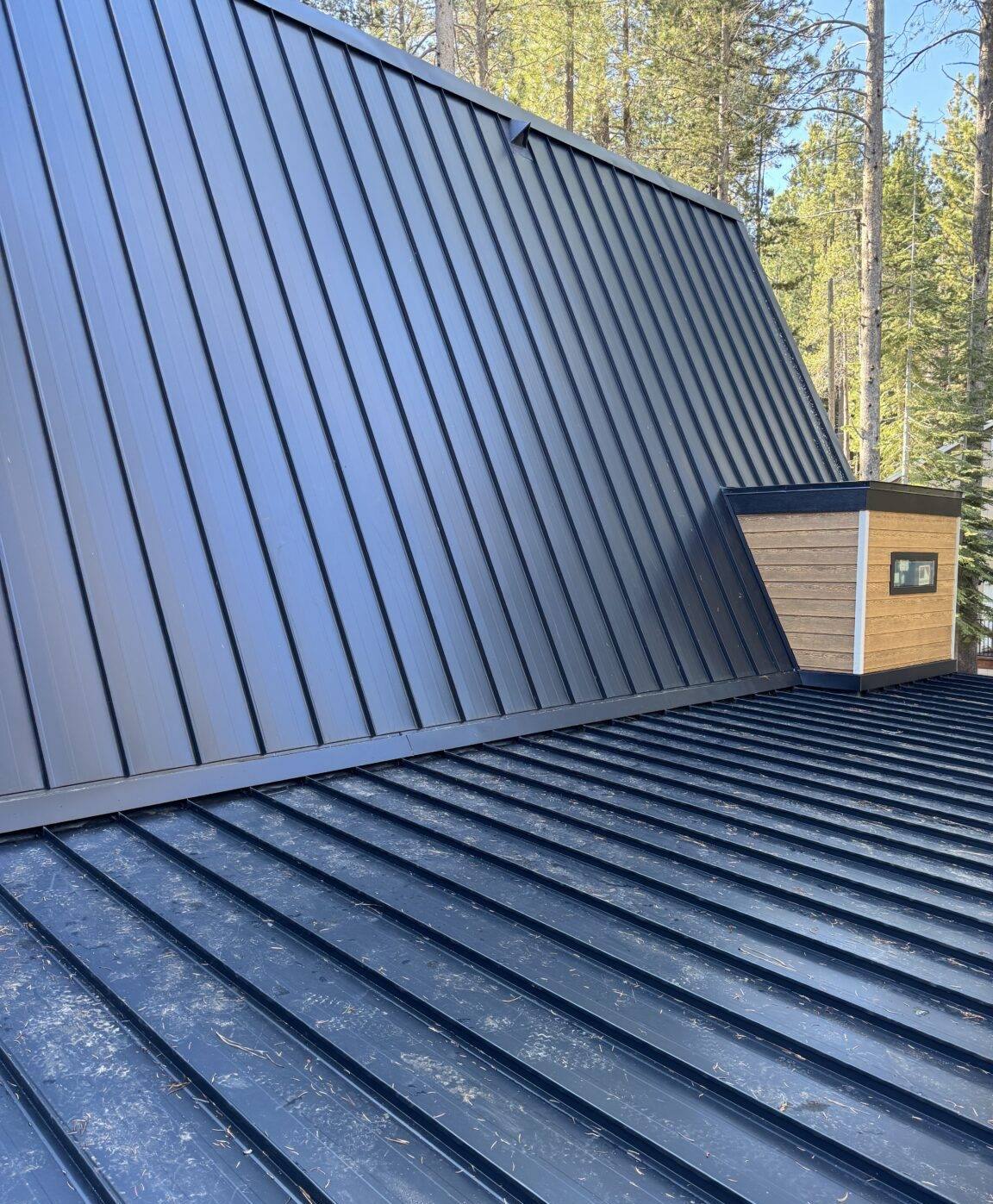
| Standing Seam Metal | 40–50+ years | High — sheds moisture, little for moss to grip | Shaded lots, homeowners planning to stay long-term |
| Cedar Shake | 20–25 years with upkeep | Low without regular maintenance | Historic-style homes where owners commit to upkeep |
We steer most Rainier Valley homeowners toward algae-resistant architectural shingles or, on heavily shaded lots, metal — not because other materials are bad products, but because of how much upkeep they demand in a climate this consistently damp. Cedar shake, for example, can look great, but it needs regular treatment to resist the moss and rot pressure this neighborhood's tree cover creates; if a homeowner isn't planning on that maintenance, we'll say so up front rather than sell a product that won't hold up to their expectations.
Our Replacement Process
- On-site assessment — we walk the roof, check the attic from inside where accessible, and identify shading, drainage, and ventilation issues specific to your lot.
- Written estimate — material options, scope, and pricing laid out clearly, no pressure to decide on the spot.
- Permitting — Seattle requires permits for full roof replacements; we handle the application and inspection scheduling with the city.
- Tear-off and deck repair — old roofing removed, deck inspected, any damaged sheathing replaced before anything new goes down.
- Underlayment, flashing, and ventilation work — the parts that determine how the roof performs in ten Seattle winters, not just the first one.
- New roofing installed — per manufacturer specs, which matters for keeping material warranties valid.
- Cleanup and final walkthrough — magnetic sweep for stray fasteners, debris hauled off, and a walkthrough so you know exactly what was done.
Permits and Seattle-Specific Requirements
Roof replacements in Seattle generally require a permit through the city, and inspections are part of that process. Homes in Rainier Valley aren't typically in a historic overlay district, but it's still worth checking before work starts, since older homes in established Seattle neighborhoods occasionally fall under design or view-related considerations depending on the specific block. We check this as part of the permitting step so there are no surprises mid-project.
Why a Crew That Already Works Rainier Valley Matters
Roofing crews that don't work this specific area regularly tend to treat every job the same way, regardless of climate or housing stock. A crew that's been on Rainier Valley roofs knows the difference between moss that's cosmetic and moss that's already done deck damage, knows what ventilation setups are common on homes of a certain era in this part of Seattle, and can usually spot the roof's real problem areas faster because they've seen the pattern before, not because they're guessing on-site. That translates into a more accurate first estimate and fewer surprises once tear-off starts.
It also means faster response when something comes up between the estimate and the job — a scheduling conflict, a permit question, or weather pushing the timeline. Being local to King County, not dispatched from across the region, keeps that communication simple.
Choosing a Roofing Contractor in Rainier Valley
- Confirm they're licensed and insured to work in Washington State, and ask to see proof
- Get the estimate in writing, with materials and scope spelled out, not just a total price
- Ask specifically how they handle flashing and ventilation, not just shingle brand
- Ask whether the quote includes deck repair if rot is found, and how that's priced
- Check that they pull the required city permit rather than skipping it
- Ask how they handle moss-prone or heavily shaded sections of the roof specifically
Get a Straight Answer on Your Roof
If your Rainier Valley roof is showing moss, granule loss, or you're just not sure how many more Seattle winters it has left in it, we're happy to take a look and give you an honest read on where it stands. There's no pressure and no cost to get an estimate — fill out the form below and we'll set up a time to come take a look.