 Seattle Exterior
 Shoreline's Climate Is Hard on Roofs
Shoreline sits along Puget Sound in King County, and that location shapes what a roof has to put up with. The air carries a faint salt tinge off the water, winter storms bring driving, wind-pushed rain rather than gentle showers, and the mature tree canopy that gives so many Shoreline neighborhoods their character also means shade, damp debris, and a long moss season that runs from fall through spring. None of these things destroy a roof overnight. They wear it down slowly, one wet winter at a time, which is why so many roofs in this area fail from the inside out before a homeowner ever sees an obvious leak.
A roof built for a drier, sunnier climate doesn't hold up the same way here. Replacement in Shoreline isn't just about swapping old shingles for new ones — it's about matching materials and details to a maritime climate that stays damp for months at a stretch.
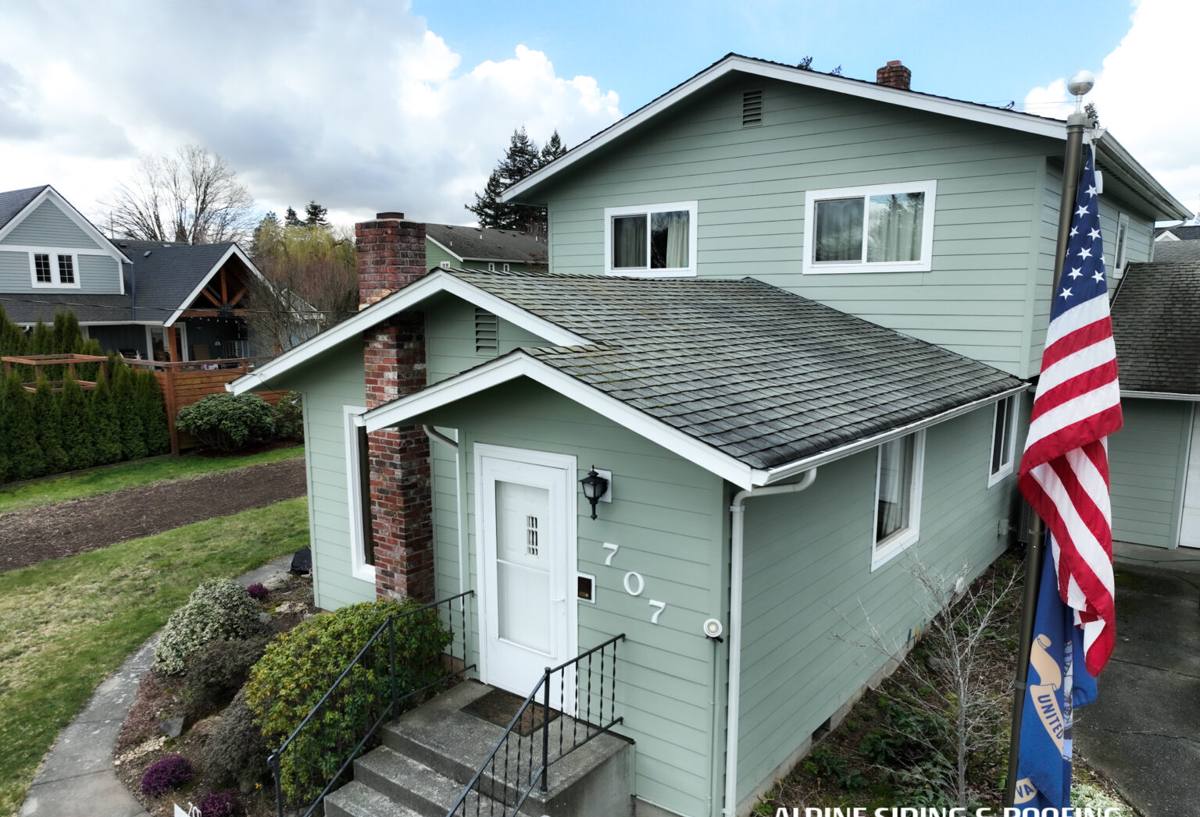
Signs a Shoreline Roof Needs Replacement, Not Another Repair
Roof repairs make sense when the damage is isolated. Replacement becomes the smarter and more honest recommendation once a roof is failing broadly, even if it doesn't look dramatic from the ground. Common signs we look for on Shoreline homes include:
- Heavy moss or lichen buildup that keeps returning within a season or two of cleaning
- Granule loss showing bare, shiny patches on asphalt shingles
- Shingles that are curling, cracking, or lifting at the edges
- Soft or spongy spots underfoot, which usually means the decking underneath is wet
- Daylight visible through the attic roof boards, or damp insulation
- Recurring leaks near valleys, chimneys, or skylights despite past repairs
- A roof that's 20-plus years old, especially under heavy tree cover
- Multiple patch repairs over the years with no lasting fix
If you're only dealing with one or two of these, a repair may still buy you time. If several show up together, that's usually the roof telling you it's done absorbing water and starting to let it in.
What a Correct Roof Replacement Actually Involves
Tear-Off and Deck Inspection
We remove the old roofing down to the deck rather than layering over it. That's the only way to actually see the condition of the plywood or plank sheathing underneath. In a climate this wet, hidden deck rot is common, especially near valleys, eaves, and anywhere moss has been sitting against the surface for years. Any soft or delaminated sheathing gets replaced before new material goes down — skipping this step is how a new roof ends up with old problems underneath it.
Underlayment and Protection at Vulnerable Areas
A synthetic underlayment goes down as the roof's secondary water barrier, with self-adhered ice-and-water membrane at the eaves, valleys, and any low-slope transitions where wind-driven rain is most likely to work its way backward under the shingles.
Flashing
Flashing around chimneys, skylights, walls, and roof-to-wall intersections is one of the most common failure points on older roofs. Correct replacement means new flashing, properly lapped and sealed — not old flashing reused under new shingles.
Ventilation
Balanced intake and exhaust ventilation keeps the attic dry and the roof deck at a stable temperature. Poor ventilation traps moisture, which speeds up rot and shortens the life of even a good roofing material. It's easy to overlook because you can't see it from the ground, but it matters as much as the shingles themselves.
Choosing a Roofing Material for This Climate
There's no single "best" roofing material — the right choice depends on your home's exposure, roof pitch, budget, and how much shade and moss pressure the roof deals with. Here's how the common options compare for a Puget Sound climate:
| Material | Moss & algae resistance | Wind/rain performance | Maintenance |
|---|---|---|---|
| Standard asphalt shingle | Moderate | Good when properly installed | Periodic moss removal recommended |
| Algae-resistant architectural shingle | Better — copper-infused granules resist growth | Strong wind rating, heavier profile | Lower, but not maintenance-free |
| Standing seam metal | High — moss struggles to grip smooth metal | Excellent; sheds water and wind well | Low |
| Cedar shake | Low without regular upkeep | Performs well when maintained | High — needs regular treatment and inspection |
We install algae-resistant asphalt shingles and metal roofing as our go-to recommendations for most Shoreline homes, particularly those under heavy tree cover. Cedar shake can look great and perform well, but it's a product that holds moisture against organic material by design, and in a climate that stays damp for much of the year, it demands a maintenance commitment most homeowners underestimate. We'll install it if that's what you want, but we'll also tell you honestly what the upkeep looks like before you commit.
Moss Season and What It Actually Means for Your Roof
In this region, moss isn't a cosmetic nuisance — it's a moisture problem with a green color. Spores land on shaded, north-facing, or debris-covered sections of roof and take hold wherever the surface stays damp long enough. Once established, moss holds water against the shingle surface, works its way under tabs and edges, and accelerates granule loss. A few practical things help extend the life of a new roof in a moss-prone yard:
- Zinc or copper strips near the ridge let rainwater carry trace metals down the roof, which naturally discourage moss growth
- Keeping overhanging branches trimmed back reduces both shade and debris buildup
- Gutters cleared before and after fall leaf-drop keep water moving instead of pooling at the edges
- Gentle moss removal — not pressure washing, which can strip granules and shorten shingle life
These steps won't stop moss entirely in a wooded, marine climate, but they slow it down significantly and protect the investment of a new roof.
Cost Factors in a Shoreline Roof Replacement
Every roof is different, and we won't quote a number without seeing yours, but these are the main factors that move the price up or down:
| Factor | Why it matters |
|---|---|
| Roof pitch and complexity | Steep or cut-up roofs take longer and require more safety setup |
| Number of existing layers | Removing multiple old layers adds labor and disposal cost |
| Deck condition | Rotten sheathing found during tear-off needs replacing before new roofing goes on |
| Material choice | Standard asphalt, architectural shingle, and metal all sit at different price points |
| Access and tree cover | Tight lots or heavy landscaping can slow staging and cleanup |
| Permit requirements | Permit and inspection fees vary by jurisdiction and project scope |
Broad ranges you'll hear industry-wide for a full tear-off and replacement can span anywhere from a modest mid four figures for a small, simple roof to well into five figures for a large or complex one — the only accurate number is the one we give you after an on-site look at your specific roof.
Our Replacement Process
1. Inspection and Estimate
We walk the roof, check the attic where accessible, and note deck condition, ventilation, flashing points, and any repair history before putting together a written estimate.
2. Material Selection
We go over the options that fit your home, your budget, and how much shade or moss pressure your roof deals with — no pushing a product that doesn't fit the situation.
3. Permitting
We handle the permit paperwork required for the project so you don't have to track it down yourself.
4. Tear-Off and Installation
Old roofing comes off, the deck gets inspected and repaired as needed, and new underlayment, flashing, ventilation, and roofing go on in sequence.
5. Cleanup and Walkthrough
We clear debris and nails from the yard and driveway with a magnetic sweep, then walk the finished roof with you.
6. Warranty Paperwork
You get manufacturer warranty documentation along with a summary of our workmanship coverage, in writing.
Permits and Local Requirements
Roof replacement in Shoreline generally requires a permit through the city, and inspections are typically involved at points during the project. Requirements can shift over time, so we confirm current permit and code specifics for your address before work starts rather than relying on general assumptions — that's part of managing the job correctly rather than something we skip to save time.
Why Hiring a Crew That Already Works in Shoreline Matters
A roofer who already works this area knows what King County's mix of housing stock tends to need — from older ranch-style homes to newer construction — and has already dealt with the tree cover, moss pressure, and wind-driven rain that define roofing here. That local familiarity means fewer surprises: we know what deck condition to expect under certain roofing ages, what ventilation setups tend to be missing in older builds, and how to sequence a tear-off around a wet Pacific Northwest forecast instead of getting caught by it. It also means a faster response if a problem shows up after the fact, since we're not driving in from across the region.
If your roof is showing its age or you just want an honest read on whether repair or replacement makes more sense, we're happy to take a look. Reach out for a free, no-pressure estimate using the form below.