 Seattle Exterior
 Shoreline's Siding Takes a Different Kind of Beating
Shoreline sits right where Puget Sound weather meets a mature, tree-heavy residential landscape, and that combination is hard on exterior siding. Homes close to the water deal with salt-laden air that accelerates corrosion on fasteners and trim. Homes tucked under tree canopy deal with near-constant shade, trapped moisture, and moss that never fully dries out between King County's rainy stretches. Most houses in this neighborhood get some mix of both, which means siding here ages differently than siding twenty miles inland.
When we get called out for siding repair in Shoreline, we're rarely looking at one clean, isolated problem. We're usually looking at a chain reaction: moss holds moisture against a seam, the seam swells or separates, water tracks behind the cladding, and by the time a homeowner notices a soft spot or a paint bubble, the damage has been building for a season or two. Understanding that chain is the difference between a repair that lasts and one that fails again in a year.
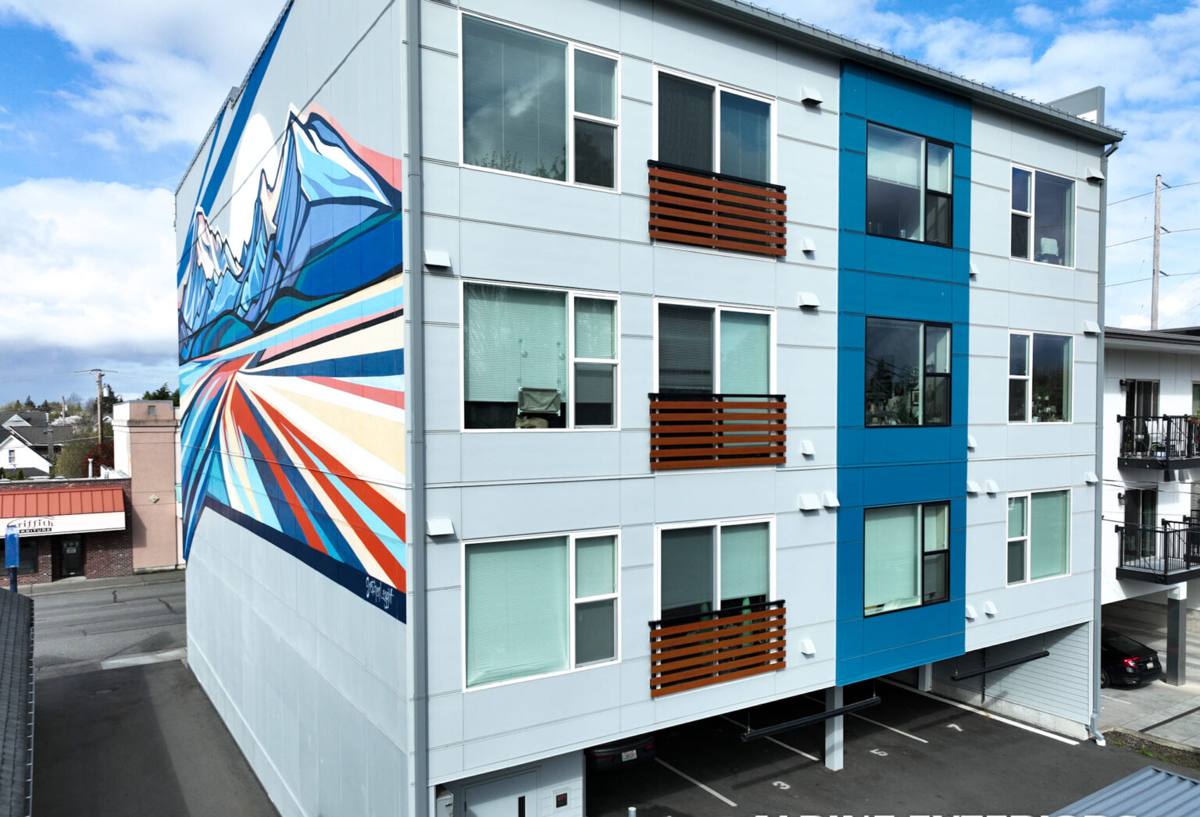
What Driving Rain and Long Moss Seasons Do to Siding
Driving Rain and Wind-Driven Moisture
Shoreline gets weather off the Sound, and wind-driven rain doesn't behave like a gentle vertical drizzle. It gets pushed sideways and upward into laps, seams, and butt joints that were never designed to shed water from that angle. Over time, this is what opens up hairline gaps at siding joints, drives moisture behind trim boards, and saturates any wood-based product that isn't sealed on every cut edge.
Moss, Algae, and Prolonged Dampness
The Puget Sound region's long wet season, combined with shaded lots and north-facing walls, creates ideal conditions for moss and algae growth on siding. Moss isn't just cosmetic. It holds water against the surface far longer than open air ever would, which keeps the substrate damp for weeks at a stretch. On wood, engineered wood, and even some fiber cement products with weaker factory finishes, that sustained dampness is what eventually causes swelling, delamination, or paint failure.
Salt Air Near the Water
Shoreline's proximity to Puget Sound means homes closer to the water deal with airborne salt that corrodes exposed fasteners, degrades cheap flashing, and speeds up the breakdown of caulk and sealant joints. Repairs that don't account for this — using the wrong fastener or skipping proper flashing details — tend to fail faster here than they would in a drier, inland King County neighborhood.
Signs Your Shoreline Home Needs Siding Repair
Most siding problems give warning signs well before they become structural. Catching them early keeps a repair a repair, instead of turning it into a full section replacement.
- Soft or spongy spots when you press on the siding, especially near the bottom courses or around window trim
- Visible gaps or separation at horizontal seams and butt joints
- Persistent moss or dark streaking that comes back within weeks of cleaning
- Bubbling, peeling, or chalking paint concentrated in one area rather than spread evenly
- Warping, cupping, or bowing boards, particularly on shaded or north-facing walls
- Rust streaks running down from fasteners or trim
- Interior signs — a musty smell, discoloration on an interior wall, or a slightly damp feel near an exterior wall
- Woodpecker or pest damage, which often means the material underneath is already softened
What a Correct Siding Repair Actually Involves
A quality repair isn't just swapping a damaged board for a new one. It's addressing why that board failed in the first place, or the same spot fails again.
Step 1: Find the Real Cause, Not Just the Visible Damage
We start by tracing the problem back to its source. A stained board at the bottom of a wall might actually be caused by a gutter overflow two feet up, or a grading issue pushing splashback onto the lowest course. Replacing the board without fixing the water source just resets the clock.
Step 2: Inspect What's Behind the Siding
Once damaged material is pulled, we check the house wrap or building paper, the flashing at windows and penetrations, and the sheathing underneath. If water has been getting behind the siding for a while, there can be hidden damage to the wall assembly that needs to be addressed before anything new goes back on.
Step 3: Match or Upgrade the Material
If the existing siding is a product we install — James Hardie fiber cement — we match the profile, texture, and ColorPlus finish as closely as possible so the repair blends in rather than standing out as a patch. If the existing siding is a product prone to the same failure (untreated wood, older composite panels, damaged vinyl), we'll walk you through whether a like-for-like patch makes sense or whether that section is a candidate for a more durable material.
Step 4: Proper Flashing and Water Management
Every repair gets correct flashing and weather-resistant barrier detailing at seams, laps, and penetrations — not just caulk over a gap. Caulk is a maintenance item, not a waterproofing strategy, and relying on it alone is one of the most common reasons repairs fail early in a wet climate like ours.
Step 5: Fasteners and Hardware Built for This Climate
Given the salt air exposure closer to the water, we use fasteners and hardware rated to resist corrosion rather than standard fasteners that will streak and weaken within a few seasons.
Repair vs. Replace: How We Help You Decide
Not every damaged section needs a full re-side, and not every "small" repair is actually small once you look behind the surface. Here's how we generally think through it.
| Situation | Typical Approach | Why |
|---|---|---|
| Isolated damage (impact, one bad board, localized moss) on otherwise sound siding | Targeted repair | Surrounding material is healthy; no reason to replace what isn't failing |
| Repeated failures in the same spot after prior patches | Investigate root cause, then repair with corrected water management | A recurring problem usually means the underlying flashing or drainage was never fixed |
| Widespread soft spots, warping, or paint failure across multiple walls | Full or partial re-side | When damage is systemic, patching becomes a cycle of repeated repairs |
| Original material is prone to moisture failure (older wood composite, aging vinyl) | Discuss upgrading to James Hardie during the repair | Repairing a product with a known failure mode just delays the same issue |
| Cosmetic wear only (fading, mild moss) with no soft spots | Cleaning and maintenance, no repair needed | No sense recommending work a home doesn't need |
Why We Only Install James Hardie Fiber Cement
When a repair calls for new material — whether it's a patch or a full section — we use James Hardie fiber cement, and it's worth explaining why. Hardie's HZ5 product line is engineered specifically for climates with heavy moisture exposure, which describes King County well. Fiber cement doesn't rot, and it isn't a food source for the moss and mildew that thrive in our shaded, damp conditions the way wood and some wood-composite products can be. The factory-applied ColorPlus finish resists the fading and chalking that comes from years of Pacific Northwest rain and low-angle winter sun, and it comes backed by a strong transferable warranty when installed to Hardie's specifications.
That's also why we've chosen not to install LP SmartSide, vinyl, or primed wood products, even though each has its place in the market. Vinyl can crack in cold snaps and doesn't hold paint if a homeowner ever wants to change the color. Wood-based composites require more diligent maintenance to keep water out of the engineered wood core, and cut edges must be sealed correctly every time. Primed cedar or spruce looks great initially but demands an ongoing repainting and caulking schedule to keep moisture out over the long run. None of these are bad products in the abstract — they're just not what we're willing to stand behind on a home that's going to face Shoreline's rain and moss season year after year.
Our Repair Process, Start to Finish
- Free on-site assessment — we inspect the visible damage and check surrounding areas, trim, and flashing for related issues
- Root-cause diagnosis — we identify what's actually letting water in, not just where it's showing up
- Written scope and estimate — a clear explanation of what needs to happen and why, with no pressure to upsell work that isn't needed
- Material removal and inspection — damaged siding comes off, and we check the sheathing and weather barrier underneath
- Structural or moisture remediation — any compromised wood or barrier material is addressed before new siding goes on
- Installation to manufacturer spec — correct fastening, flashing, and clearances, done to James Hardie's installation requirements
- Final walkthrough — we show you the completed work and explain what maintenance, if any, it needs going forward
Maintenance Tips for Shoreline Homeowners
Whether your siding was just repaired or is holding up fine for now, a few habits go a long way in this climate.
- Trim back tree branches and vegetation that keep siding shaded and damp for extended periods
- Rinse moss and algae buildup with a gentle wash rather than a high-pressure spray that can force water behind seams
- Check and clean gutters twice a year so overflow doesn't splash onto lower siding courses
- Walk your exterior after a hard windstorm off the Sound and look for lifted or separated boards
- Re-caulk visibly cracked or shrunken joints promptly — it's cheap insurance against a bigger repair later
- Have a professional look at any soft spot right away rather than waiting for it to spread
Why Hire a Crew That Already Works Shoreline
Siding repair isn't one-size-fits-all across a region as varied as ours. A crew that mostly works drier, inland areas of King County may not think twice about flashing details that matter a lot more when a house sits close to Puget Sound's salt air, or on a shaded lot with a stubborn moss problem. We work throughout the greater Seattle area and see these exact conditions repeatedly, so we know which failure points to check first and which materials and details actually hold up here — not just on paper, but through a real Pacific Northwest wet season.
If you've noticed a soft spot, ongoing moss, or a section of siding that just doesn't look right, we're happy to take a look. Reach out for a free, no-pressure estimate using the form below, and we'll give you an honest read on what your home actually needs.