 Seattle Exterior
 Storm Damage Roof Repair Built for Columbia City Homes
Columbia City's mix of older bungalows, Craftsman-era homes, and infill construction sits under one of southeast Seattle's heaviest tree canopies. That combination changes how storms damage a roof here compared to a more open, newer subdivision. Wind funneling through mature street trees drops limbs and debris in ways that concentrate stress on specific parts of a roof rather than spreading it evenly, and the shade from that same canopy keeps roofs damp longer after every system that moves through King County. When we get a call for storm damage in this neighborhood, we're not just looking for obvious holes — we're checking for the quieter damage that this kind of tree cover and moisture pattern tends to cause.
A correct storm repair here starts with understanding that Columbia City roofs rarely fail all at once. They fail in stages: a storm loosens or cracks something, moisture gets a foothold, and the next storm finishes the job. Our goal is to catch that first stage before it becomes the second.
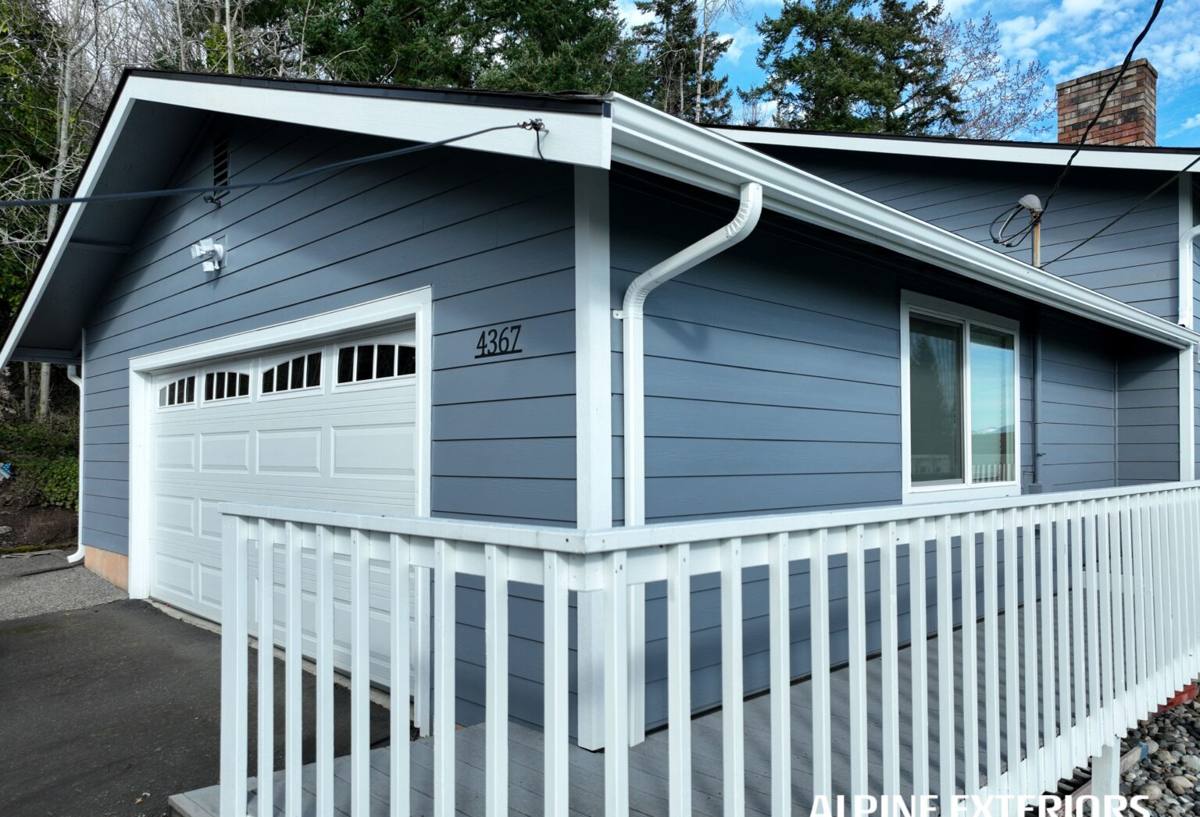
What Counts as Storm Damage on a Seattle-Area Roof
Homeowners often picture storm damage as a dramatic event — a tree through the roof, shingles ripped off in sheets. That does happen, but most of the storm-related repair calls we get in Columbia City involve less obvious problems:
- Wind-lifted or creased shingles that look intact from the ground but no longer seal properly
- Branch strikes that crack shingles or dent metal flashing without punching all the way through
- Debris and needle buildup in valleys that traps water during heavy rain
- Flashing pulled loose around chimneys, vents, or skylights from wind uplift
- Gutters overwhelmed or torn loose, sending water back up under the roof edge instead of away from the house
- Fastener backout from repeated wind cycles, which loosens shingles gradually over several storms
None of these require a full roof replacement on their own. But left alone through another Puget Sound-region wet season, any one of them can turn into interior water damage, rot in the decking, or a much larger repair.
Why Rain and a Long Moss Season Change the Math
Seattle's storm pattern isn't about single violent events as much as it is about duration — long stretches of driving rain and wind that test every seam, fastener, and flashing detail on a roof. Columbia City's tree cover adds shade that keeps roof surfaces from drying out fully between storms, which is exactly the condition moss needs to establish itself. Once moss gets a hold on a roof, it lifts shingle edges as it grows, holds moisture against the roofing material, and gives wind something to grab during the next storm.
This is why storm damage repair here has to think beyond the immediate fix. Patching a wind-lifted shingle without addressing the moss or debris that made it vulnerable in the first place just resets the clock until the next storm. A repair that accounts for the region's climate looks at drainage, airflow, and moss exposure alongside the actual damage.
Signs a Storm Has Damaged Your Roof
- Granules collecting in gutters or at downspout outlets after a windy stretch
- New or growing water stains on interior ceilings, especially near exterior walls or chimneys
- Shingles that look curled, cracked, or missing when viewed from the ground with binoculars
- Visible daylight or gaps around flashing when checked from the attic
- Sudden increase in moss or dark streaking after a wet, shaded stretch of weather
- Debris — branches, needles, leaf mats — sitting in valleys or against the roof edge
What a Correct Storm Damage Repair Involves
Inspection Before Any Repair
We start on the roof, not the ladder — a proper storm inspection means walking the surface (when it's safe to do so) and checking the attic from inside, since interior signs of moisture often show up before anything is visible from the outside. We're looking for the full extent of the damage, not just the spot the homeowner noticed, because wind damage on one slope often has a matching problem on the slope that took the same gust.
Matching the Repair to the Existing Roof
Patching storm damage on an older Columbia City roof isn't always as simple as swapping in new shingles. Older roofing lines get discontinued, colors fade unevenly, and a mismatched patch can stand out and, more importantly, may not integrate properly with the existing water-shedding pattern. We match material profile and installation method as closely as possible, and we're upfront when a patch won't blend or won't hold up as well as a slightly larger repair.
Addressing the Cause, Not Just the Symptom
If moss contributed to the damage, we address the moss and the conditions that let it grow — not just the shingle it lifted. If a clogged valley or gutter backed water up under the roofline, we clear and correct that as part of the repair, not as a separate afterthought.
Repair vs. Replacement: How We Make the Call
| Factor | Points Toward Repair | Points Toward Replacement |
|---|---|---|
| Age of roof | Under 15 years, otherwise sound | Nearing or past expected lifespan |
| Extent of damage | Isolated to one area or slope | Spread across multiple slopes or systemic |
| Decking condition | Dry, solid decking underneath | Soft spots or rot found during inspection |
| Prior repair history | First significant storm event | Repeated patches in the same areas |
| Material availability | Matching material still obtainable | Discontinued profile or color, poor match |
Most storm damage calls we take in Columbia City end in a repair, not a replacement. We'll tell you plainly which category your roof falls into and why, including when a repair is the honest recommendation even if a larger job would be more profitable for us.
Our Storm Damage Repair Process
- Initial assessment — roof and attic inspection to document the full scope of damage, including photos for your records and any insurance claim
- Written scope and estimate — a clear explanation of what's damaged, what needs repair, and a straightforward price range before any work begins
- Temporary protection if needed — tarping or securing exposed areas right away if a storm has left the roof open to further water intrusion
- Repair work — replacing damaged materials, resealing flashing, clearing debris, and correcting drainage issues found during inspection
- Final walkthrough — confirming the repair holds, drains correctly, and matches the surrounding roof as closely as possible
Common Mistakes We See in Rushed Storm Repairs
After a bad storm, it's tempting to hire whoever can show up fastest. We understand the urgency, especially if there's active leaking, but speed without care tends to cost homeowners more in the long run. The mistakes we most often get called to fix later include:
- Sealant or caulk used as a substitute for proper flashing repair — it fails faster than it looks like it should
- Shingles nailed over debris or moss instead of a cleared, dry surface
- Patches that don't tie into the existing drainage path, shifting the water problem instead of solving it
- No attic-side inspection, so hidden moisture or rot goes unaddressed
- Mismatched materials that shed water differently than the surrounding roof
Why Local Experience in Columbia City Matters
A roof repair crew that regularly works Columbia City already knows what this neighborhood's tree canopy and drainage patterns tend to do to a roof over time. That familiarity shows up in small but important ways: knowing which roof ages and styles are common on these blocks, recognizing moss and debris patterns tied to specific tree cover, and understanding how King County's storm and rain patterns stress a roof differently than they would in a more exposed part of the region. It also means we're a known, reachable crew if a follow-up question comes up months after the repair, not a name from an out-of-area storm-chasing outfit that won't be around for the next one.
Materials and Long-Term Storm Resilience
| Consideration | Why It Matters After Storm Damage |
|---|---|
| Shingle wind rating | Higher-rated shingles resist uplift better in repeated wind events, common through fall and winter storm systems |
| Flashing material and installation | Properly installed metal flashing outlasts sealant-dependent repairs and handles repeated wet-dry cycling better |
| Underlayment quality | A synthetic or high-quality underlayment provides a backup barrier if the surface layer is compromised again |
| Ventilation | Good attic ventilation reduces the moisture buildup that speeds up moss growth and decking deterioration |
We don't push premium materials on every repair — plenty of storm damage is well served by a straightforward, honest patch. But when a roof has taken repeated storm hits or is approaching the end of its service life, we'll walk through the trade-offs so you can decide with real information, not pressure.
Working With Insurance on Storm Damage Claims
Many storm damage repairs in this area are at least partially covered by homeowner's insurance, particularly when the damage is tied to a documented wind or storm event. We provide the documentation — photos, a written scope, and a clear description of the damage and cause — that insurance adjusters typically need. We're not a public adjuster and won't promise a claim outcome, but we can make sure the roofing side of your claim is accurately represented.
If a recent storm has left you wondering whether your roof took damage, we're happy to take a look. Reach out for a free, no-pressure estimate using the form below — we'll give you a straight answer about what we find, whether that's a quick repair or nothing at all.