 Seattle Exterior
 Custom Windows Built for University District Homes
University District sits close to the University of Washington campus and carries a housing mix you don't see everywhere in Seattle: early 1900s craftsman bungalows, older single-family homes converted to rentals, small apartment buildings, and a steady churn of student and long-term tenants. That mix means a lot of window openings that were never standard sizes to begin with, and a lot of original sash and frame material that's now well past its working life. "Custom windows" in this neighborhood usually isn't about a dramatic architectural feature window — it's about getting a window that actually fits an opening built decades before modern window sizing existed, without tearing into the surrounding wall or trim to make it work.
King County's marine climate reaches every corner of Seattle, University District included. Puget Sound's salt-laden air, a rainy season that runs long and heavy, and the region's dense tree cover all put steady stress on window frames, seals, and glazing. Add in the shade from mature street trees common around the district, and you get the extra moisture retention and moss growth that shortens the life of wood trim and degrades weather seals faster than in drier, sunnier neighborhoods. None of this is unique to University District, but it's more pronounced here because of the age of the housing stock and the tree canopy.
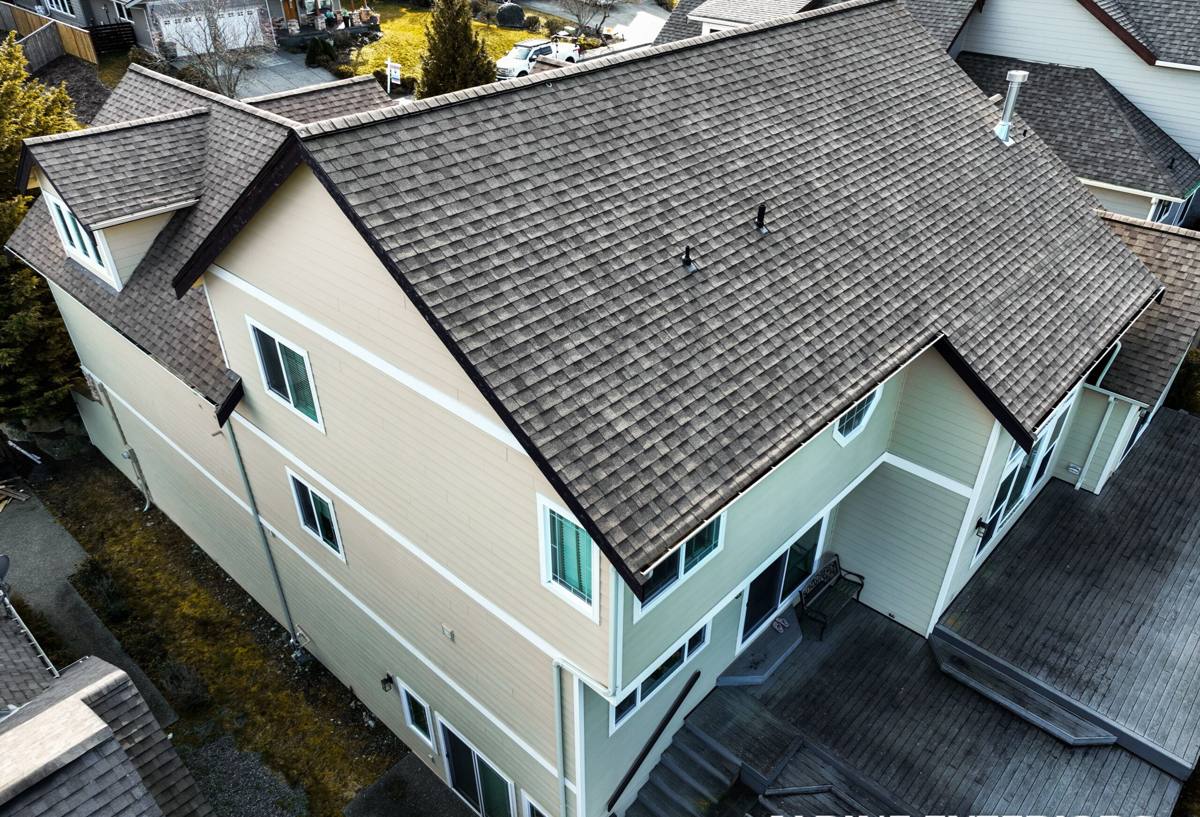
What "Custom" Actually Means for a Window Job
Custom windows fall into a few real categories, and it's worth knowing which one applies to your house before you start pricing anything:
- Non-standard dimensions — openings that don't match today's manufactured sizes, common in homes built before window manufacturing was standardized.
- Out-of-square openings — decades of settling can leave a rectangular opening slightly trapezoidal, which a stock window won't seal against correctly.
- Historic profile matching — matching the sightlines, muntin pattern, or trim depth of an older home so new windows don't look out of place next to original woodwork you're keeping.
- Shape and function — arched tops, odd bays, or combination units that need to be built or special-ordered rather than pulled off a shelf.
Most of the University District jobs we see fall into the first two categories. The home looks like it should take a standard window, but once we get a tape measure and a level on the actual opening, it's clear a stock unit would either be too small (leaving gaps to shim and caulk) or would need the opening reframed — an unnecessary expense when a properly custom-sized window solves it cleanly.
How Seattle's Climate Wears Down Windows Over Time
Rain and Driving Moisture
Seattle doesn't get the heaviest rainfall totals in the country, but it gets long stretches of steady, wind-driven rain — the kind that pushes water sideways into window seams rather than just down a wall. Over years, that pattern finds every weak point in old glazing putty, dried-out weatherstripping, or a frame that's shifted slightly out of square. Single-pane wood windows from the early 1900s were never built to handle decades of this without regular re-glazing and repainting, and most haven't had that upkeep in a long time.
Moss and Shade
The tree cover that gives University District's older streets their character also means a lot of shaded, damp wall surfaces that never fully dry out between storms. Moss doesn't just grow on roofs — it takes hold in window sills, corner joints, and anywhere wood trim holds moisture against the frame. Left alone, it traps water against the wood and accelerates rot from the outside in, often before a homeowner notices anything wrong on the interior side.
Condensation and Older Glass
Single-pane glass and failed older double-pane seals show up as fogging, water beading on the interior glass, or visible haze between panes. That's not just an appearance issue — it means the insulating gas or air gap has failed and the window is no longer doing its job, which shows up as higher heating bills and cold drafts near the glass in the wetter months.
Signs a University District Home Needs Window Attention
- Visible gaps or daylight around the frame when the window is closed
- Wood trim that's soft, discolored, or has moss growing directly on it
- Fogging or haze between the panes of a double-pane window
- Windows that are difficult to open, close, or lock — often a sign the frame has shifted
- Noticeable drafts near the window on windy, rainy days
- Paint that's peeling or bubbling on the interior sill or exterior trim
- Rising heating costs with no other explanation
- Visible rot at the bottom corners of the frame, a common failure point on older sash windows
If you're seeing two or more of these, it's worth having someone look at the actual condition of the frame and opening before deciding whether you need a repair, a re-seal, or a full replacement.
Our Process for a Custom Window Job
1. On-Site Assessment
We start by looking at the actual opening — not just the glass, but the frame, sill, and surrounding trim — to find out whether the issue is the window itself, water intrusion around it, or both. This matters more in older University District homes than in newer construction, because the frame condition often dictates what kind of replacement will actually work.
2. Precise Measurement
Older openings are rarely perfectly square, so we measure width and height at multiple points, not just one spot, and check for any twist or bow in the frame. This is the step that determines whether a stock size will work or whether the unit needs to be custom-built or custom-ordered.
3. Material and Style Selection
We walk through the realistic options for your home — covered in detail below — based on your budget, how the home is used (owner-occupied versus rental), and whether matching the existing look of the house matters to you.
4. Installation
Proper installation means addressing the water management around the opening — flashing, sill pan, and sealant details — not just setting a new window into an old hole. This is where a lot of window problems actually start, and it's the step that determines whether the new window will hold up through Seattle's wet season or start showing the same moisture issues in a few years.
5. Cleanup and Walkthrough
We clear debris, check operation on every window installed, and walk through care and warranty details before we consider the job finished.
Choosing the Right Window Material
There's no single "best" window material — the right choice depends on your budget, how much upkeep you're willing to do, and whether you're trying to match an older home's look or simplify maintenance for a rental property.
| Material | Upfront Cost | Maintenance | Moisture Performance | Best Fit |
|---|---|---|---|---|
| Vinyl | Lower | Minimal — no painting | Good; won't rot | Rentals, budget-conscious replacements |
| Fiberglass | Mid to higher | Low | Very good; stable in wet/dry cycles | Long-term owner-occupied homes |
| Wood (modern, factory-finished) | Higher | Higher — needs periodic refinishing | Fair; needs upkeep to stay ahead of moisture | Homes where matching original wood trim matters |
| Aluminum-clad wood | Higher | Low exterior, some interior upkeep | Good exterior protection | Historic-look homes wanting less exterior maintenance |
For most University District homes with older wood trim they want to keep looking authentic, aluminum-clad wood or a well-finished fiberglass unit tends to be the middle ground — the exterior holds up against the rain and moss without demanding the repainting schedule that bare wood needs. For rental properties where low maintenance matters more than matching original trim exactly, vinyl is usually the more practical call.
Why Hire a Crew That Already Works in University District
Older homes and mixed rental properties in this neighborhood come with a specific set of practical wrinkles: narrow lots and limited street parking near campus, tenants who need advance notice before crews are on-site, and frame conditions that are often worse than they look from the street because of years of moisture and moss buildup. A crew that regularly works in this part of Seattle knows to check for these issues before quoting a job, not after starting it — which avoids surprise costs once a wall is opened up. We also know to look for the water damage patterns typical of long-term shade and rain exposure, rather than assuming every old window just needs new glass.
After Installation: Keeping New Windows Performing
- Rinse sills and tracks periodically to clear moss spores and organic debris before they take hold
- Check exterior caulking annually, especially after the wettest months, and re-seal any cracked joints
- Keep gutters and downspouts clear so runoff doesn't sheet down across window heads
- Trim back branches or foliage that keep a window in constant shade and dampness
- Open and close each window a few times each season to catch any operational issues early
A properly installed custom window shouldn't need much beyond this. If you're seeing moisture problems again within the first few years, that's usually a sign of an installation or flashing issue rather than a product issue — and worth having checked under warranty.
Get a Straightforward Estimate
If you're dealing with drafty, foggy, or hard-to-operate windows in your University District home, we're happy to take a look and give you an honest read on whether you need a repair or a full replacement — no pressure, no inflated scope. Use the form below to request a free estimate and we'll go from there.