 Seattle Exterior
 West Seattle's Exterior Sits Between Two Bodies of Water
West Seattle is a peninsula, and that geography matters more for siding than most homeowners realize. Homes here take weather off Puget Sound on one side and the Duwamish waterway influence on the other, which means salt-tinged air reaches walls that a homeowner further inland in King County wouldn't have to think about. Add the Pacific Northwest's standard driving rain — wind-driven, not just falling straight down — and a moss season that can run eight or nine months a year on shaded north- and west-facing walls, and you have an exterior envelope working harder than the national average siding product was ever designed for.
None of this is exotic. It's the same marine climate that shapes construction standards across the Puget Sound region. But it does mean the siding choice, and the installation details around it, carry more weight here than they would in a drier climate. This page covers what that means specifically for fiber cement siding on a West Seattle home.
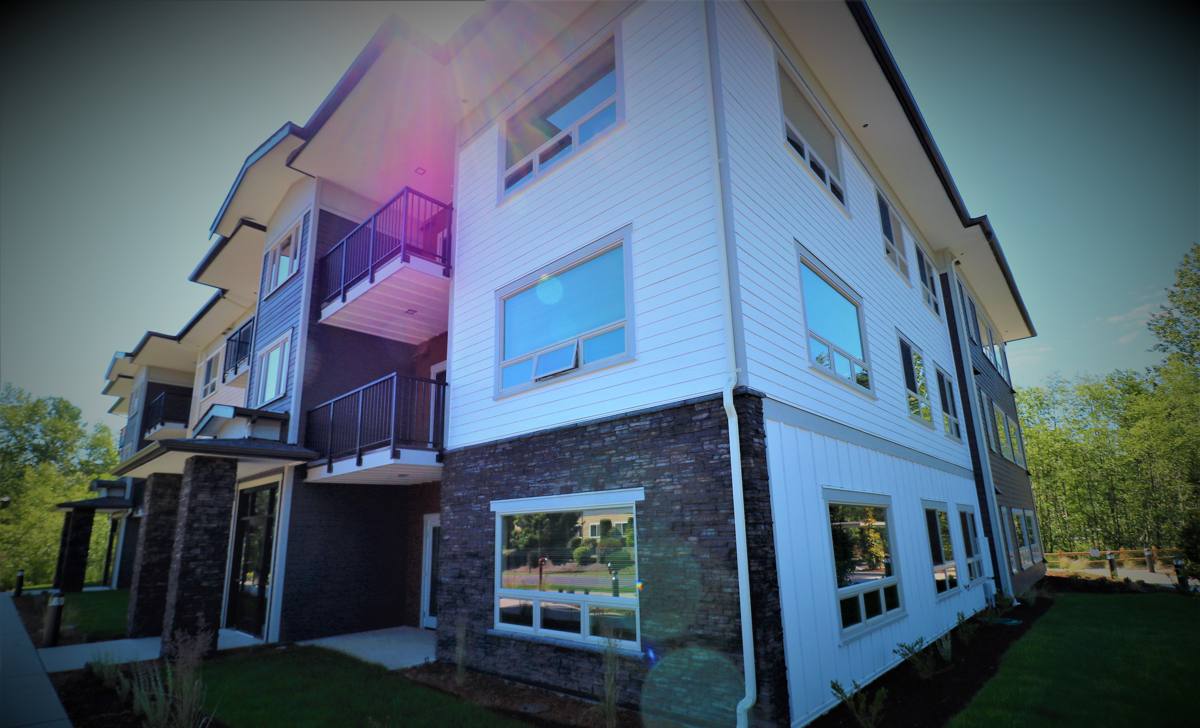
Why Fiber Cement Is the Right Material for This Exposure
We install James Hardie fiber cement siding exclusively, and West Seattle's climate is a big part of why. Fiber cement is a cement, sand, and cellulose fiber composite — an inorganic core that doesn't absorb water and swell the way wood-based sidings can, and doesn't give fungus or moss an organic food source to take hold on the way untreated wood does.
What the Inorganic Core Means Day to Day
On a wood or engineered-wood product, sustained damp conditions eventually find a way into the material at a cut edge, a fastener hole, or a compromised finish, and the wood fiber responds by swelling, cupping, or softening. Fiber cement's core doesn't do that. It can get wet and dry out repeatedly through a Pacific Northwest winter without the dimensional movement that causes paint failure, buckling, or telegraphing joint lines down the road.
Factory Finish vs. Field-Applied Paint
Most of the Hardie siding we install carries the factory-applied ColorPlus finish rather than a coating brushed on after installation. That finish is baked on under controlled conditions and backed by its own warranty coverage, and it holds up against the UV and moisture cycling that breaks down field-applied paint faster in a climate this consistently wet.
The HZ5 Product Line: Built for This Kind of Moisture
James Hardie makes region-specific formulations, and HZ5 is engineered for climates with heavier sustained moisture exposure and more freeze-thaw cycling than the national baseline. That's a fit for West Seattle and the greater Puget Sound area, where damp conditions aren't an occasional event but a season that runs most of the year. Choosing the right HZ formulation isn't a marketing detail — it affects how the product's moisture management and freeze performance are engineered at the plant, before it ever reaches a job site.
What a Correct Fiber Cement Installation Actually Involves
Fiber cement performs the way it's supposed to only when the installation matches manufacturer specification. A lot of the siding problems we get called out to inspect trace back to a correct product installed with shortcuts, not to the material itself failing.
Water Management Behind the Siding
The siding itself is the visible layer, but the weather-resistive barrier and flashing details behind it do most of the real work. Proper installation means a continuous drainage plane, correctly lapped and taped house wrap, and flashing at every window, door, and penetration that directs water back out rather than trapping it against the sheathing. In a climate that sees driving rain pushed sideways into wall assemblies, gaps in that drainage plane are where hidden rot starts, often long before anything shows on the surface.
Clearances and Fastening
Hardie's installation instructions specify minimum clearances from grade, roof lines, and decks, along with fastener spacing and placement. Skipping ground clearance is one of the more common shortcuts we see, and it's also one of the more consequential ones in a region where landscaping beds and irrigation keep soil moisture high against the foundation wall.
Joint and Butt Seam Sealing
Every horizontal butt joint and every point where siding meets trim is a place water can find its way in in if it isn't sealed correctly, with the right sealant and the right gap. This is detail work, not material selection, and it's exactly where a rushed install and a correct one start to look different five years later.
Common Shortcuts We See on Under-Spec'd Installs
| What the Spec Requires | What a Shortcut Install Often Does | Why It Matters Here |
|---|---|---|
| Minimum clearance from grade and hard surfaces | Siding installed too close to grade or a deck surface | Traps moisture from splash-back and irrigation against the bottom course |
| Continuous, correctly lapped weather-resistive barrier | Gaps or reverse-lapped house wrap around penetrations | Driving rain finds the gap before it ever reaches the siding face |
| Manufacturer-specified fastener pattern and depth | Overdriven or under-driven fasteners, inconsistent spacing | Compromises the plank's hold and can crack the material over time |
| Sealed and properly gapped butt joints | Tight or unsealed joints painted over to look finished | Traps water at the seam instead of letting it drain |
| Flashing at every window, door, and penetration | Caulk substituted for proper flashing | Caulk fails years before flashing does, and failure is hidden behind the siding |
Moss and Algae: Managing It, Not Just Painting Over It
A long moss season doesn't mean fiber cement siding is doomed to green streaking, but it does mean design and maintenance choices matter. Shaded, north-facing walls under tree canopy hold moisture longer and are where moss and algae growth shows up first. Correct installation includes attention to how water sheds off trim and window heads so it doesn't pool and feed growth at specific points on the wall.
- Keep gutters clear so overflow isn't running down the siding face during heavy rain events.
- Trim back vegetation and tree canopy that keeps a wall shaded and damp longer than the rest of the house.
- Rinse visibly mossy or algae-streaked sections periodically rather than letting growth build up over multiple seasons.
- Address any gutter or downspout misalignment promptly, since concentrated runoff accelerates staining in one spot.
- Have caulking at trim and joints checked every few years, since UV and moisture cycling break down sealant well before the siding itself shows wear.
Why We Standardized on James Hardie Instead of the Alternatives
We don't install vinyl, LP SmartSide, Cemplank, Allura, or primed spruce and cedar siding, and that's a deliberate standard, not an oversight. Vinyl can warp and fade under UV exposure and doesn't offer the fire-resistance of a cement-based product. Engineered wood products depend heavily on an intact paint film staying ahead of moisture, since the core is still wood fiber under the treatment. Cedar and primed spruce are honest, traditional materials, but they require an ongoing maintenance commitment — refinishing, moisture monitoring, insect vulnerability — that's a harder ask in a climate this consistently wet. Alternative fiber cement brands exist too, and some are reasonable products, but we've built our process, our crew training, and our warranty relationships around one system so we can guarantee the installation detail matches the product spec every time, rather than juggling multiple manufacturers' instructions across different jobs.
Our Process for a West Seattle Re-Side
- On-site assessment: We walk the property, check existing siding and sheathing condition, and look specifically for signs of trapped moisture behind the current cladding.
- Tear-off and substrate inspection: Removing the old siding is when hidden rot or water damage actually gets found. We address what's underneath before anything new goes up.
- Weather-resistive barrier and flashing: A continuous drainage plane and correct flashing at every opening go in before a single piece of Hardie siding is installed.
- Fiber cement installation to spec: Correct clearances, fastener pattern, and joint treatment, following Hardie's published installation guide exactly, not a shortcut version of it.
- Final detailing: Trim, caulking, and paint touch-up (for field-finished elements) get checked before we call the job done.
What It Costs and What Drives the Number
Every home is different, and an accurate number only comes from an in-person estimate, but the factors below are what actually move the price on a West Seattle re-side.
| Cost Factor | Why It Matters |
|---|---|
| Home size and wall complexity | More corners, dormers, and roof lines mean more cutting, flashing, and labor time |
| Substrate condition | Rot or moisture damage found at tear-off adds repair work before new siding goes up |
| Siding profile and finish | Lap width, shingle-style panels, and trim details affect material and labor cost |
| Access and site conditions | Hillside lots, narrow side yards, and limited staging space common on the peninsula affect labor efficiency |
| Window and door count | Every opening needs its own flashing and trim detail, which adds time regardless of wall square footage |
Why a Crew That Already Works West Seattle Is Worth Something
West Seattle's terrain isn't flat, and a lot of homes here sit on sloped lots with limited street access, tight side yards, or view-oriented layouts that affect how a crew stages material and scaffolding. A crew that already works this part of the city knows how to plan around that before the job starts, rather than losing a day figuring it out on site. There's also a practical King County permitting and inspection rhythm that a local crew has already been through, which keeps a project moving instead of stalling on paperwork. None of that replaces good installation practice, but it's part of why hiring a crew with real local footing matters as much as the material on the wall.
If you're weighing a siding project for a West Seattle home, we're glad to walk the property, look at what your walls are actually dealing with, and give you a straight answer about scope and cost. Reach out using the form below to schedule a free, no-pressure estimate.