 Seattle Exterior
 Beacon Hill's Climate and What It Does to Windows
Beacon Hill sits up on a ridge above the rest of Seattle, and that elevation matters more than most homeowners realize. Wind-driven rain hits exposed walls and window openings harder up here than it does down in more sheltered parts of King County. Over years, that constant push of moisture against glass, frame, and trim finds every weak point in a window installation — a gap in the flashing, a bad seal, a caulk line that was never really doing the job.
The other half of the equation is shade and moss. Mature trees, close-set lots, and Seattle's long gray stretch of fall and winter keep north- and west-facing walls damp for weeks at a time. Moss and algae don't just look bad on siding and trim near windows — they hold moisture against wood and paint, which accelerates rot at sills and casings. A window that was installed correctly with the right flashing and drainage will shrug this off. One that wasn't will show it first at the corners of the frame and the bottom of the sill.
Why This Isn't Just a Cosmetic Issue
Water that gets behind a window frame doesn't evaporate the way it would on an exposed surface. It sits inside wall cavities, soaks sheathing, and can travel to framing members before anyone notices a problem. By the time a homeowner sees a soft spot on an interior sill or bubbling paint below a window, the damage has usually been building for a while. Seattle's climate doesn't forgive shortcuts in window installation — it just takes longer to show the bill.
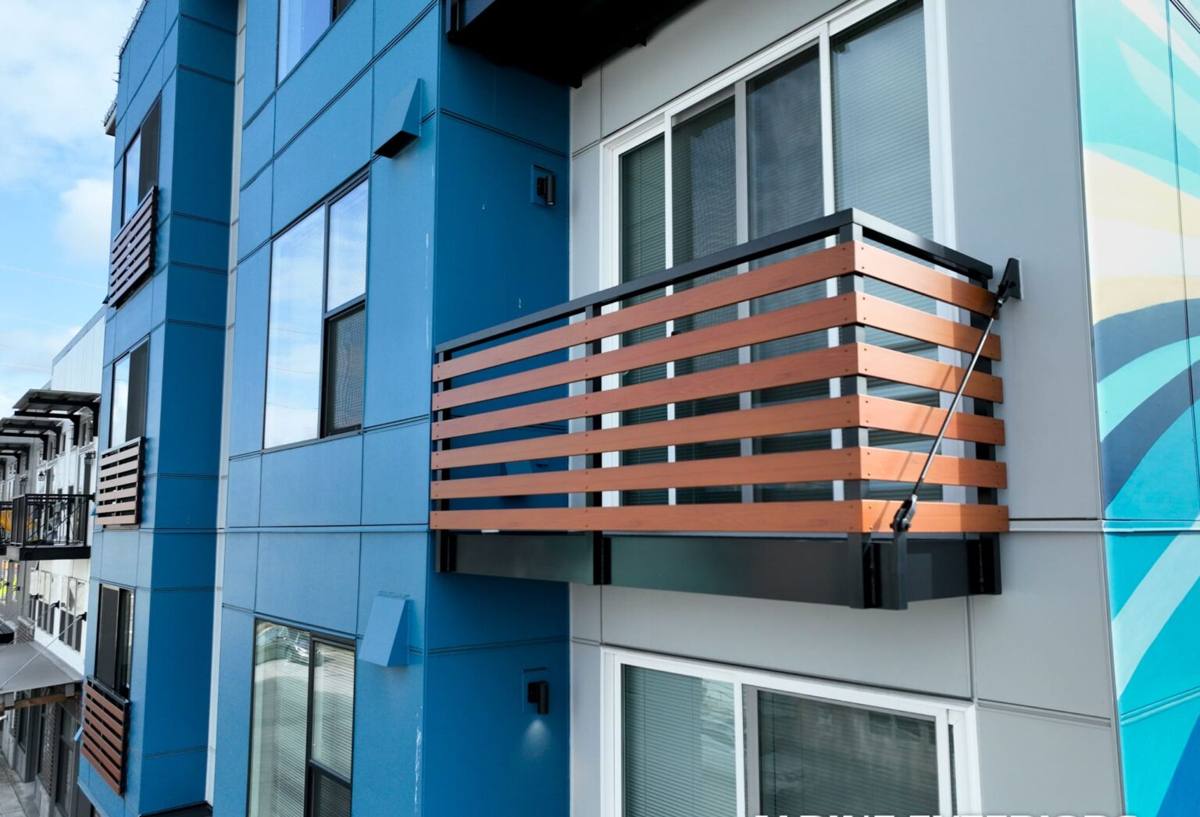
The Housing Stock We See on Beacon Hill
Beacon Hill has a real mix of housing ages and styles, and that matters for how a window replacement gets approached. Many homes in the area are older, with original wood-frame windows that were single-pane or later retrofitted with basic storm windows. Others are mid-century or newer builds with aluminum or early vinyl windows that are now reaching the end of their practical service life.
Older Wood-Frame Homes
Original wood windows on older Beacon Hill homes were often well-built for their era, but decades of Seattle winters take a toll on the wood, the glazing putty, and the weatherstripping. In many cases the frames themselves are salvageable, but the window unit as a whole is no longer performing — drafty, hard to operate, and prone to fogging or moisture intrusion at the sill.
Character and Older-Neighborhood Considerations
Some Beacon Hill blocks have a distinct architectural character — proportions, trim details, and window arrangements that contribute to how the house and the street read as a whole. When we replace windows on these homes, we pay attention to matching sightlines, grille patterns, and frame profiles so the house doesn't end up looking like a mismatched patchwork from the street. This isn't about historic-preservation red tape — it's about not making a good home look worse after an upgrade that was supposed to improve it.
What a Correct Window Installation Actually Involves
Window installation looks simple from the outside — old window out, new window in — but the parts that actually determine whether the job holds up for twenty years happen in the details most homeowners never see.
Removing the Old Window Without Damaging the Opening
The rough opening has to come out clean, with the surrounding sheathing and framing inspected for hidden rot before anything new goes in. On a lot of Beacon Hill's older housing stock, this is the step that turns up problems nobody knew about — soft framing, old caulk failures, or signs of past water intrusion. Skipping this inspection just means covering up a problem with a brand-new window.
Flashing and Water Management
This is the single most important part of the job in a climate like ours. Proper flashing integrates the window with the building's water-resistive barrier so that any water that gets past the exterior cladding is directed back out, not into the wall cavity. A window that looks perfectly installed from the street can still fail here — and it's exactly the kind of failure that driving rain on an exposed hillside lot will expose over time.
Insulation and Air Sealing
The gap between the window frame and the rough opening needs to be filled correctly — not overpacked with rigid foam that can bow the frame, and not left with gaps that let cold air and moisture in. Done right, this step is a big part of why a new window actually feels warmer and quieter, not just newer.
Choosing Windows That Hold Up Here
There's no single "best" window material — the right choice depends on the home, the budget, and how much maintenance a homeowner wants to take on. Here's how the common options compare for a climate like Seattle's, with regular rain exposure and a long damp season.
| Material | Moisture Performance | Maintenance | Typical Fit |
|---|---|---|---|
| Vinyl | Good — won't rot, handles moisture well | Low | Most homes; strong value |
| Fiberglass | Excellent — very stable, resists warping | Low | Homes wanting higher durability, larger openings |
| Wood-clad | Good on the exterior face; interior wood needs care | Moderate | Character homes wanting a wood interior look |
| Aluminum | Weaker — prone to condensation and thermal transfer | Low | Generally not our recommendation for this climate |
We steer most Beacon Hill clients toward vinyl or fiberglass for the exterior-facing performance, with wood-clad as a solid option when the interior look matters more than minimizing upkeep. Our standard isn't about pushing one brand — it's about matching glass packages, frame material, and installation method to what the specific wall and exposure actually need.
Our Process, Start to Finish
Every project starts with an on-site look at the actual windows and openings involved — not a generic quote based on square footage. From there:
- We inspect each window opening, including the framing and sill condition, before quoting the scope.
- We measure precisely for either full-frame replacement or an insert unit, depending on what the existing frame condition allows.
- We remove the old unit, check for hidden moisture or rot, and address anything found before installing new framing components.
- We install and flash the new window to tie properly into the home's existing water-resistive barrier.
- We insulate, seal, and finish interior and exterior trim to match the surrounding wall.
- We walk the finished opening with the homeowner before considering the job done.
Working on Beacon Hill's Lots
Steeper lots, retaining walls, and tighter side-yard access are common on this hill, and they change how a crew stages equipment and protects landscaping during a window job. Knowing the terrain in advance — rather than discovering it on install day — keeps projects on schedule and keeps yards intact.
Cost Factors to Understand Before You Get a Quote
Window replacement pricing varies a lot based on factors that aren't always obvious from a quick online quote tool. The broad range for most residential window replacement projects runs from a few hundred to well over a thousand dollars per window installed, depending on:
- Whether it's a full-frame replacement or an insert into an existing frame
- The condition of the framing and sheathing once the old window is removed
- Window material (vinyl, fiberglass, or wood-clad)
- Glass package — standard dual-pane versus higher-performance glazing
- Number of windows done at once, since batching reduces per-unit labor cost
- Trim and siding work needed to finish the exterior cleanly
We give honest, itemized numbers up front so there are no surprises once the old window is off the wall.
Signs Your Windows Are Due for Attention
Not every window problem means full replacement, but these are the signs worth having a professional look at, especially on a home exposed to Beacon Hill's rain and shade patterns:
- Fogging or condensation between panes on double-pane windows
- Visible gaps, drafts, or noticeable temperature difference near windows
- Soft, discolored, or spongy wood at the sill or bottom corners of the frame
- Moss or dark staining building up on trim directly around the window
- Windows that are difficult to open, close, or lock properly
- Paint that's peeling or bubbling specifically around window openings, not the wall generally
Why Local Experience on Beacon Hill Matters
A crew that already works this neighborhood knows what the housing stock tends to hide behind old trim, how the hill's wind and rain exposure behaves differently than a sheltered valley lot a few miles away, and how to stage a job on a steep or tight lot without it turning into a headache. That local pattern-recognition is the difference between a window installation that just looks finished on day one and one that's still performing correctly after the tenth wet Seattle winter.
If you're weighing whether your windows need attention or you're ready to move forward with replacement, we're happy to take a look and give you a straightforward, no-pressure estimate — just fill out the form below.