 Seattle Exterior
 Windows Built for Ravenna's Climate, Not Just Its Openings
Ravenna sits close enough to the water and the tree canopy that its homes take on the worst of what Seattle weather offers: driving rain that comes in sideways during winter storms, salt-tinged air drifting in off Puget Sound, and long stretches of gray, damp months where moss and mildew get a foothold on anything that stays wet. Windows are one of the first places that shows up. A window that was installed correctly ten or fifteen years ago in a drier climate might be failing here simply because King County weather doesn't give materials much of a break between soakings.
When we talk about window installation in Ravenna, we're not just talking about swapping old glass for new. We're talking about how the window integrates with the wall assembly around it — the flashing, the sill pan, the sealant, the trim — because that's what actually keeps water out of your walls. Get that wrong and a beautiful new window can leak worse than the drafty old one it replaced.
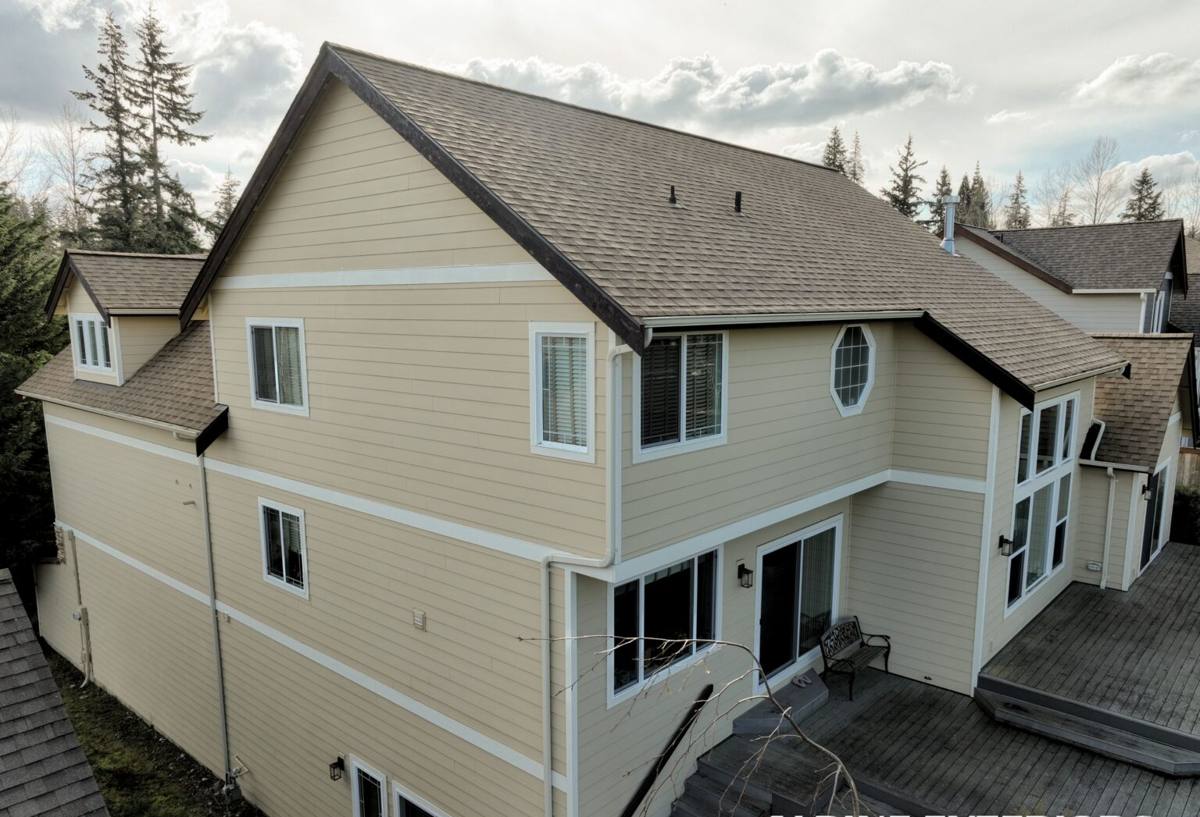
What Ravenna's Housing Stock Means for Window Work
Ravenna has a mix of early-to-mid-century bungalows, Craftsman-style homes, and a fair number of updated or remodeled properties. That mix matters for window installation because older homes in this neighborhood often have:
- Original wood-framed openings that have shifted slightly out of square over the decades
- Older cladding (wood lap siding, stucco, or a mix from past remodels) that requires careful tie-in at the window edges
- Single-pane or early double-pane windows with minimal or degraded flashing by today's standards
- Trim and casing details worth matching or preserving for the home's character
None of this makes the job harder in a bad way — it just means a crew needs to actually look at the opening before quoting or installing, rather than treating every window as a standard new-construction rough opening. A house near the University District edge of Ravenna with original wood siding gets handled differently than a newer infill home a few blocks over, even if the window sizes are identical.
Salt Air and Moisture: The Long-Term Threat
Seattle isn't a coastal town in the oceanfront sense, but Puget Sound's influence reaches inland enough that metal components on windows and their hardware can corrode faster than they would in a drier inland climate. Combined with months of damp air and limited direct sun exposure on north- and west-facing walls, this creates ideal conditions for moss growth on sills, mildew in corners, and slow degradation of caulking and sealants. A window installation that skips proper drainage planes or uses the wrong sealant for our humidity levels will show problems within a few wet seasons, not decades.
What a Correct Window Installation Actually Involves
A lot of window jobs go wrong not because of the window itself but because of what happens — or doesn't happen — around it. Here's what we consider non-negotiable on every install:
- Opening inspection. Before anything is ordered, we check the rough opening for square, level, and any hidden rot or water damage from the old window's flashing (or lack of it).
- Sill pan flashing. A properly sloped sill pan directs any water that gets past the window back outside instead of into your wall cavity. This is one of the most commonly skipped steps on lower-cost installs.
- Proper window sizing. We measure for the actual opening after any rot repair, not the opening as it exists with damaged wood still in place.
- Correct flashing tape and house wrap integration. Flashing has to overlap in the right order — like shingles — so water sheds outward and down, never into the wall.
- Insulation around the frame. Gaps get filled with low-expansion foam or backer rod, not packed with fiberglass that can hold moisture.
- Exterior sealant and trim work. The final seal has to be continuous, with no gaps where wind-driven rain can find a path in.
Skipping any one of these steps might not show a problem the first year. It shows up two or three wet seasons later, usually as a soft spot in the wall, a musty smell, or paint that won't stop bubbling near the window frame.
Choosing Window Materials for This Neighborhood
There isn't one "best" window material for every Ravenna home — it depends on the house's age, your budget, and how much upkeep you want to take on. We'll walk through the honest trade-offs rather than pushing whatever's easiest for us to install.
| Material | How It Handles Our Climate | Maintenance | Best Fit |
|---|---|---|---|
| Vinyl | Good moisture resistance, won't rot or corrode | Low — occasional cleaning | Budget-conscious replacements, rear or side elevations |
| Fiberglass | Excellent stability in temperature/moisture swings, very durable | Low | Long-term ownership, higher-exposure walls |
| Wood (clad exterior) | Handles moisture well on the exterior side if properly clad; interior warmth preserved | Moderate — exterior clad protects wood, but seals need periodic checks | Craftsman and period homes where matching original trim matters |
| Aluminum | Prone to condensation and corrosion in our damp, salt-influenced air unless thermally broken | Higher — watch for pitting and seal wear | Limited use; we're selective about where we recommend it here |
For most Ravenna homes we work on, vinyl or fiberglass covers the majority of replacement needs well, while clad-wood options come up often on homes where the owner wants to preserve a particular look on the street-facing side.
Glass Packages Worth the Upgrade
Double-pane, low-E glass is close to standard now, and for good reason — it cuts down on heat loss during our cold, wet winters and reduces condensation buildup on the interior glass during humid stretches. Argon-filled units add a modest efficiency bump. We don't push triple-pane on every job; in a moderate Pacific Northwest climate like Seattle's, the added cost rarely pencils out compared to what a good double-pane low-E unit already delivers.
Our Process for a Ravenna Window Job
Every window project follows the same basic path, adjusted for the specifics of your home:
- On-site assessment — we look at each opening, note any rot, settling, or flashing issues, and measure accurately
- Honest estimate — you get a clear breakdown of material and labor costs before anything is ordered, including any repair work the opening needs
- Scheduling around weather — we plan installs to minimize how long an opening sits exposed, which matters more here than in drier climates
- Removal and repair — old windows come out, any damaged framing or sheathing gets addressed, never covered up
- Installation with full flashing detail — sill pan, flashing tape, insulation, and sealant, done in the correct order every time
- Final walkthrough — we check operation, sealing, and exterior finish work with you before calling the job done
Signs Your Ravenna Home Needs Window Attention
Homeowners often wait longer than they should because window problems can be subtle at first. Watch for:
- Fogging or condensation between the panes (a sign the seal has failed)
- Drafts you can feel even with the window latched shut
- Soft or discolored wood trim around the frame, inside or outside
- Moss or dark staining building up on the exterior sill or trim
- Windows that are difficult to open, close, or lock properly
- Rising heating bills without another clear explanation
Any one of these on its own might not be urgent, but a few together usually means moisture is already getting past the window in some form — and in this climate, that's not something that improves on its own.
Why Local Installation Experience Matters
Window installation looks straightforward from a distance, but the difference between a window that lasts twenty-plus years and one that fails in five often comes down to details that aren't visible once the trim goes back on. A crew that regularly works in Ravenna and similar Seattle neighborhoods already knows how the local housing stock is built, what King County's weather does to flashing and sealant over time, and how to size a job honestly instead of guessing. We're not learning our climate on your house — we already know what driving rain and a long moss season do to a poorly sealed window, and we build every install to hold up against it.
If you're noticing drafts, fogged glass, or visible wear around your windows, we're happy to take a look and give you a straightforward, no-pressure estimate — no obligation, just an honest read on what your home actually needs. Fill out the form below to get started.