 Seattle Exterior
 Window Replacement for University District Homes
University District sits close to Lake Washington and the Montlake Cut, which means homes here take on a specific mix of weather stress: moisture off the water, wind-driven rain that finds its way sideways into window frames, and long stretches of gray, damp months where wood trim and sills rarely get a chance to fully dry out. Add in Seattle's mossy, tree-shaded lots common around the neighborhood, and older single-pane or early dual-pane windows tend to show their age faster here than they would in a drier climate. If your windows are fogging between panes, sticking when you try to open them, or letting in a draft you can feel from across the room, that's usually moisture and time working together, not a one-off problem.
This page is specifically about window replacement for University District properties — not a general overview. We'll walk through what the climate actually does to windows in this pocket of Seattle, what a correct installation looks like, and why hiring a crew that already works in the area matters more than it might seem.
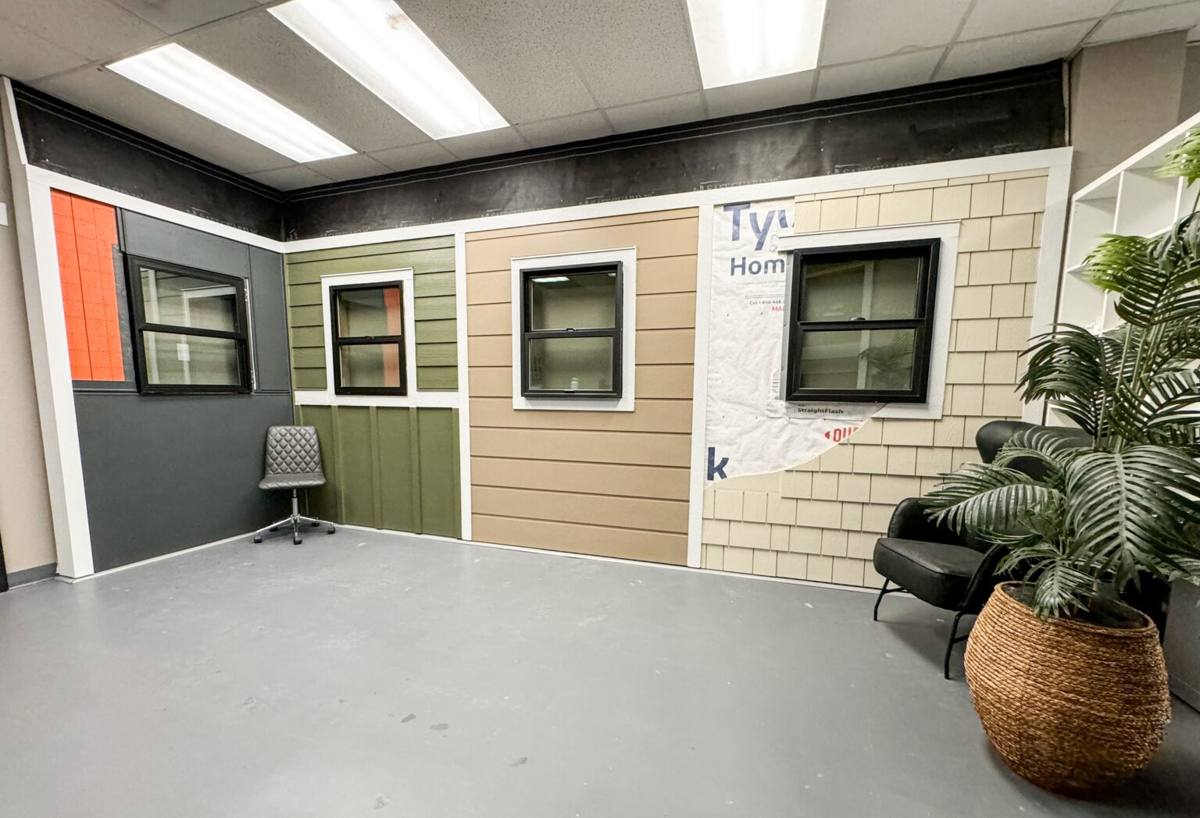
What King County's Climate Does to Windows Over Time
Seattle's marine climate is mild compared to most of the country, but "mild" doesn't mean easy on building materials. The combination of near-constant humidity, driving rain events, and a moss season that can stretch from fall through spring creates a specific pattern of wear:
- Frame rot at the sill: Wood-framed windows that don't shed water cleanly develop soft spots at the bottom corners first, where water pools and sits.
- Failed seals on dual-pane units: Once the seal between panes breaks down, moisture gets trapped and you see permanent fogging or a milky haze that cleaning won't fix.
- Moss and organic growth around frames: Shaded, damp trim near mature trees or north-facing walls gives moss and mildew a place to take hold, which accelerates material breakdown if left alone.
- Condensation on interior glass: A sign that the window's insulating performance has dropped, often paired with higher heating bills in the colder months.
- Swollen or sticking sashes: Wood and some vinyl components absorb moisture over repeated wet seasons and stop operating smoothly.
None of this happens overnight. It's cumulative — the result of one more wet season, one more freeze-thaw cycle, one more year of UV and rain hitting the same seams.
Why Salt Air and Driving Rain Matter Even This Far Inland
University District isn't oceanfront, but Seattle's proximity to Puget Sound and the region's prevailing weather patterns still bring salt-laden moisture and wind-driven rain into inland neighborhoods, especially during winter storms. That moisture finds any gap in flashing, caulking, or a worn window frame. A window that was installed without proper flashing or sloped sills is more exposed to this kind of intrusion than one installed correctly the first time — which is why installation quality matters as much as the window product itself.
Signs It's Time to Replace, Not Repair
Not every window issue means full replacement. Some problems — a broken sash lock, a torn screen, minor weatherstripping wear — are simple repairs. But certain signs point to replacement being the more sensible long-term choice:
- Fogging or moisture trapped between panes on a dual-pane window (the seal is gone and can't be restored)
- Soft, spongy, or visibly rotted wood at the frame or sill
- Windows that won't stay open, won't latch, or have warped out of square
- Persistent moss or dark staining around the frame that keeps returning after cleaning
- Noticeable drafts or a cold wall feeling near the window even when it's closed
- Rising energy bills alongside an aging, single-pane, or early-generation dual-pane window
If you're only seeing one or two minor issues on an otherwise sound window, repair may be the right call, and we'll tell you that honestly during an inspection rather than push a replacement you don't need.
What a Correct Window Replacement Involves
Window replacement is often sold as a straightforward swap, but in a climate like ours, the details around the window matter as much as the window itself. A correct job includes:
Proper Removal and Opening Inspection
Once the old window is out, we check the rough opening for hidden rot, water staining, or compromised framing. This is often the only point where that kind of damage is visible, and it's worth addressing before a new window goes in rather than sealing a problem behind fresh trim.
Flashing and Water Management
Given how much rain King County sees, flashing details — how water is directed away from the window opening and down the wall rather than into it — are one of the most important parts of the install. A window can be top quality and still fail early if the flashing around it wasn't done correctly.
Sealing and Insulation
Gaps around the frame get properly insulated and sealed, both for energy performance and to keep moisture from working its way into the wall cavity over time.
Correct Sizing and Fit
An undersized or oversized window opening leads to excess caulking or shimming that isn't a permanent fix. Precise measurement up front avoids that entirely.
Interior and Exterior Trim Finishing
The finish work is what keeps water from finding a new entry point at the trim line, and it's also what makes the replacement look intentional rather than patched in.
Choosing the Right Window for a Damp Climate
There isn't one "best" window for every home, but there are qualities that matter more in a climate with heavy rain and long damp seasons: how well the frame material resists moisture absorption, how the glazing performs against condensation, and how the warranty structure handles seal failure. We steer homeowners away from products with a track record of maintenance-heavy upkeep or moisture-sensitive installation in our experience, not because any one brand is bad, but because some materials and designs simply demand more from the installer and the homeowner to hold up here long-term.
| Factor | What to Consider in Our Climate |
|---|---|
| Frame material | Vinyl and fiberglass generally resist moisture absorption better than untreated wood exteriors |
| Glazing | Dual or triple-pane with a quality low-E coating helps with condensation and heat loss |
| Drainage design | Look for frames engineered to shed water away from the sill, not pool against it |
| Warranty structure | Understand what's covered for seal failure specifically, since that's the most common long-term issue here |
| Installation sensitivity | Some window systems are far less forgiving of imperfect flashing or sealing — ask how forgiving the product is of real-world conditions |
Our Process for University District Projects
- On-site assessment: We look at each window individually — frame condition, signs of moisture intrusion, and whether repair or replacement makes sense.
- Honest recommendation: You get a clear explanation of what we found and what your options are, without pressure toward the most expensive fix.
- Product selection: We walk through frame and glazing options suited to Seattle's climate and your home's style.
- Scheduling around the weather: Window installs need a reasonably dry work window, so we plan around the forecast rather than rushing into a wet stretch.
- Installation with proper flashing and sealing: The details that keep water out get done right, every time, not just when it's convenient.
- Final walkthrough: We check operation, sealing, and finish work with you before considering the job done.
Why Local Experience in This Neighborhood Matters
A crew that already works in University District and the surrounding Seattle neighborhoods has seen how homes in this specific area age — the housing stock mix, common trim details, typical exposure to wind and rain depending on lot orientation, and the moss patterns that show up on shaded north- and west-facing walls. That's different knowledge than a general contractor who occasionally does a window job. It shows up in small decisions: knowing which sills tend to need extra attention to flashing, recognizing early rot before it's obvious, and understanding what actually holds up through a Puget Sound winter versus what looks fine on a showroom floor.
It also means we're accountable locally. We're not driving in from out of the area for one job and disappearing — we're working in King County homes on an ongoing basis, and our name is attached to that work over time.
What to Ask Before Hiring Anyone for Window Work
- Are you licensed and insured to do exterior window replacement in Washington State?
- Will you inspect the rough opening for hidden damage before installing the new window?
- What's your approach to flashing and water management around the frame?
- What does the manufacturer's warranty actually cover, and for how long?
- Can you explain, in plain terms, why you're recommending repair versus full replacement?
Any contractor who can't answer these clearly, or who pushes a decision before actually inspecting your windows, is worth a second opinion.
Get a Free, No-Pressure Estimate
If your windows in University District are showing fog between the panes, drafts, sticking sashes, or frame damage, it's worth getting an honest look before winter's rain returns. Fill out the form below for a free estimate — we'll assess your windows, tell you plainly what we find, and lay out your options with no pressure either way.