 Seattle Exterior
 Metal Roofing Built for Beacon Hill's Weather, Not Just Its Curb Appeal
Beacon Hill sits up on a ridge above SODO and the industrial waterfront, which means it catches wind and driving rain a little differently than the flats below. The elevation, the mature tree canopy on many blocks, and the mix of older bungalows alongside newer infill construction all shape what a roof needs to survive here. Metal roofing has become one of the most requested upgrades we install in this part of Seattle, and for good reason — when it's specified and installed correctly, it handles King County's wet season better than almost anything else on the market. When it's installed poorly, though, metal is unforgiving about it. This page covers what actually matters for a metal roof on a Beacon Hill home: the climate factors, the install details, our process, and what to ask before you hire anyone.
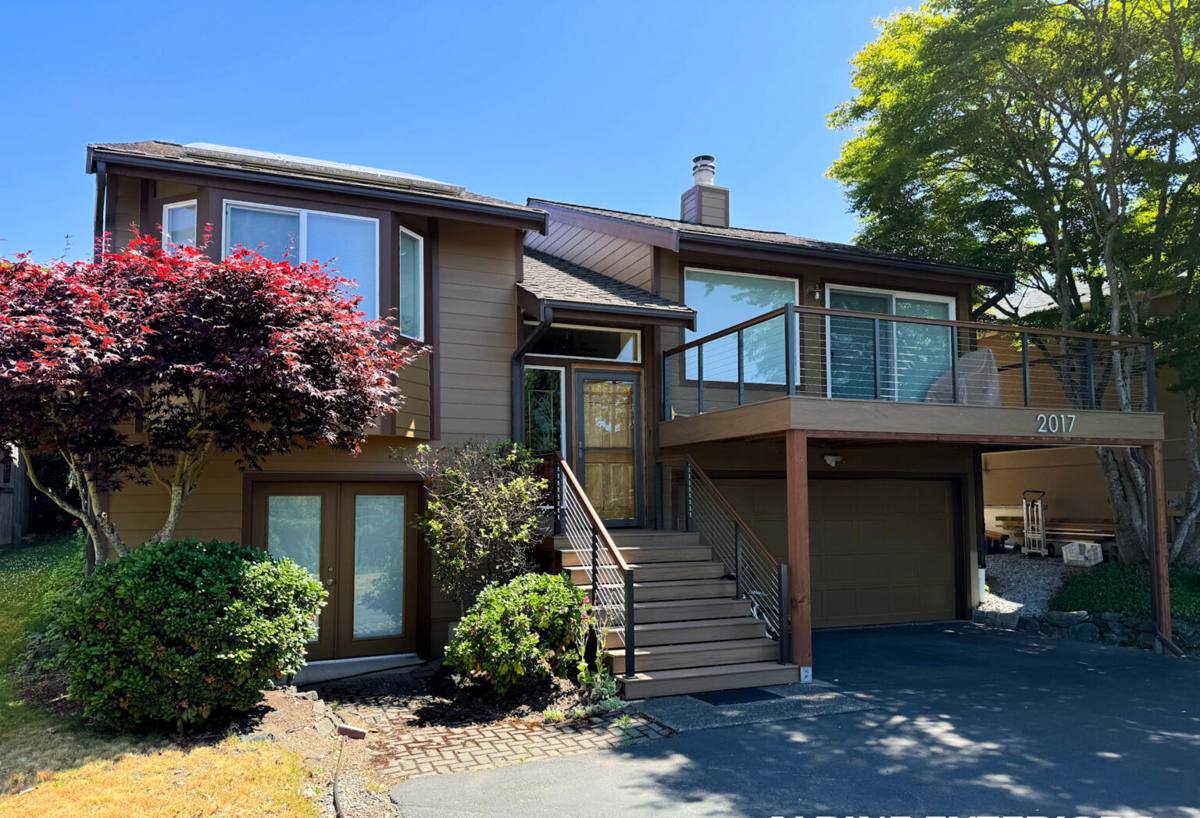
Why Beacon Hill's Climate Is Hard on Roofs
Seattle's marine climate gets talked about in general terms — "it rains a lot" — but the specifics matter more for roofing decisions than the generalities do.
Salt Air and Moisture Load
Beacon Hill's elevation puts it in the path of moist air moving in off Puget Sound. That air carries fine salt and mineral content that, over years, accelerates corrosion on unprotected or poorly coated metal fasteners, flashing, and panel edges. It's not dramatic — nobody's roof rusts through in a season — but it's a steady, cumulative load that either gets designed around or shows up as premature failure a decade or two later.
Driving Rain and Wind-Driven Water
Seattle rain is rarely a hard downpour; it's more often a sustained, wind-pushed drizzle that lasts for days. That pattern is actually harder on a roof than a heavy short storm, because wind-driven rain gets pushed sideways and upward under laps, into vents, and around penetrations that a straight-down rain would never reach. A roof detailed for occasional heavy rain isn't automatically detailed for weeks of sideways drizzle — the underlayment, flashing laps, and fastener sealing all have to account for it.
Moss Season
King County's long, mild, damp fall-through-spring stretch is close to ideal growing conditions for moss and algae. On shaded, tree-covered lots — common on Beacon Hill — moss doesn't just sit on a roof looking bad. On asphalt shingles it holds moisture against the surface and works its way under tabs. On metal, the risk is different: moss and organic debris trapped in valleys or against poorly lapped seams can hold water against a panel or fastener long enough to start corrosion, even on a material that's otherwise very resistant to it. Roof design that limits debris traps matters as much as the material choice itself.
What a Correctly Installed Metal Roof Actually Involves
Metal roofing gets marketed as low-maintenance and long-lasting, which is true — but only when the installation respects a handful of details that are easy to skip and expensive to fix later.
- Underlayment matters as much as the panel. A quality synthetic or self-adhered underlayment underneath the metal is what actually keeps the deck dry if wind-driven rain gets past a seam or a fastener works loose over time. This is not the place to cut cost.
- Fastener and flashing metal must match the panel metal. Mixing incompatible metals (steel fasteners on an aluminum panel, for example) sets up galvanic corrosion — a slow electrochemical reaction that eats away at the less-noble metal right at the point of contact. In a climate with this much sustained moisture, mismatched metals fail faster than they would somewhere dry.
- Seam type should fit the roof pitch and exposure. Standing seam panels with mechanically or hydraulically formed seams shed water far more reliably on lower slopes and wind-exposed elevations than exposed-fastener panel systems, which rely on gasketed screws that can back out or compress over decades of thermal cycling.
- Valleys and penetrations need real detailing, not caulk. Every plumbing vent, chimney, and valley is a place where two systems meet, and caulk is a maintenance item, not a permanent seal. Proper metal flashing, formed and lapped correctly, is what actually lasts.
- Ventilation has to be planned, not assumed. Metal roofs perform best with a ventilated assembly underneath — it manages condensation from the warm, humid interior air meeting a cold metal underside, which is a real issue in our climate if it's ignored.
Choosing a Metal Roofing System for a Beacon Hill Home
Not every metal roofing product is the right fit for every house, and we'd rather walk you through the honest trade-offs than push whatever has the best margin.
| System | Best fit | Trade-offs to know |
|---|---|---|
| Standing seam (steel or aluminum) | Low-slope sections, wind-exposed elevations, homes wanting a clean modern line | Higher material and labor cost; requires skilled installation to form seams correctly |
| Steel roofing panels (exposed fastener) | Garages, outbuildings, budget-conscious full re-roofs | Fasteners need periodic inspection and occasional re-torquing over the roof's life |
| Metal shingles / shakes | Homes wanting a traditional roofline profile with metal's durability | More seams and laps than standing seam, so installation quality has a bigger impact on longevity |
| Aluminum vs. steel base metal | Aluminum for direct coastal exposure and lighter weight; steel for cost and strength | Aluminum resists corrosion better in salt-influenced air; steel needs a quality coating maintained over time |
For most Beacon Hill homes we recommend steel or aluminum standing seam because it handles wind-driven rain and long moss season better than exposed-fastener systems, but the right call depends on your roof's pitch, how much tree cover you have, and your budget. We'll give you our honest read during the estimate rather than defaulting to one product for every house.
What Metal Buys You Over the Long Term
The upfront cost of metal roofing is higher than asphalt shingles, which is the main hesitation we hear. Here's the honest accounting of what that cost is actually buying:
- A service life measured in decades rather than the 20-25 years typical of asphalt shingles in this climate
- Better shedding of moss and organic debris than shingles, because there's no granule surface for spores to root into
- Strong wind resistance for the gusts that come through on exposed hillside lots
- No asphalt granule loss or shingle curling from repeated wet-dry cycling
- Reduced fire risk contribution from the roof covering itself, which matters more each summer as regional wildfire smoke and dry spells become a bigger part of our fire season conversation
It's not maintenance-free — moss removal, gutter clearing, and periodic inspection of fasteners and flashing are still part of ownership — but the maintenance burden is lighter and less urgent than what a shingle roof demands in a wet, tree-covered neighborhood.
Our Process for Beacon Hill Metal Roof Installs
Every metal roofing job we take on in Beacon Hill follows the same sequence, because skipping steps is exactly where premature failures come from.
1. On-Site Assessment
We walk the roof and the attic or crawlspace when accessible, check the existing deck condition, note tree cover and shading that will affect moss growth, and look at wind exposure based on the home's position on the hill.
2. System Recommendation and Estimate
We'll walk you through which metal system fits your roof's pitch, your budget, and your home's exposure — with the trade-offs explained plainly, not glossed over.
3. Deck Prep and Underlayment
Any deteriorated decking gets replaced before anything else happens. Underlayment goes down next, with extra attention at valleys, eaves, and any low-slope transitions where wind-driven rain concentrates.
4. Panel Installation
Panels are installed with matched fasteners and flashing metal, seams formed to spec, and every penetration detailed with formed flashing rather than sealant alone.
5. Final Walkthrough
We review the finished roof with you, including what routine maintenance to expect (moss checks, gutter clearing) and what's covered under warranty.
Questions Worth Asking Before You Hire Anyone
Beacon Hill has enough roofing work happening that homeowners see a lot of door-knockers and out-of-area crews after storm season. A short vetting checklist protects you:
- Ask for proof of current Washington state contractor licensing and liability insurance — not just a business card
- Ask specifically whether they're using matched or compatible fastener and flashing metals for your panel system
- Ask what underlayment they spec and why, especially for low-slope sections
- Ask how they detail valleys and penetrations — "caulk" alone should be a red flag
- Ask whether they've worked on hillside or wind-exposed roofs in Seattle before, not just flat suburban tracts
- Get the warranty terms in writing, including what's manufacturer-backed versus installer-backed
A crew that already works Beacon Hill regularly knows the practical stuff that doesn't show up in a spec sheet — which streets sit in heavier shade and grow moss faster, how the wind behaves coming up off the flats below, and which older homes tend to have deck or ventilation issues under the surface. That local pattern recognition is worth more than it sounds like on paper.
Cost Factors to Expect
We don't publish blanket per-square-foot numbers because roof pitch, tear-off scope, deck condition, and system choice all move the price meaningfully. What we can tell you honestly:
| Factor | How it affects cost |
|---|---|
| Existing roof tear-off | Removing old shingles or roofing adds labor and disposal cost versus a bare deck |
| Deck repair | Rot or damage found under the old roofing adds material and labor before install can start |
| Roof pitch and complexity | Steep pitches, multiple valleys, and dormers all add labor time |
| Panel system chosen | Standing seam runs higher than exposed-fastener steel panels due to labor and material |
| Base metal | Aluminum typically costs more than steel but resists corrosion better in humid, salt-influenced air |
We'll give you a firm, itemized number during the estimate once we've actually looked at your roof — not a phone quote based on square footage alone.
Get a Straight Answer for Your Roof
If you're weighing metal roofing for a Beacon Hill home, the honest first step is having someone look at your specific roof — its pitch, its tree cover, its current condition — rather than guessing from a generic price range. We're happy to walk it with you and give you a clear, no-pressure estimate using the form below.