 Seattle Exterior
 New Roofs Built for Ravenna's Tree Canopy and Wet Winters
Ravenna is one of Seattle's most heavily wooded residential neighborhoods, and that's exactly what makes roofing here different from a job in a more open part of King County. Mature conifers and big-leaf maples shade large stretches of these streets for most of the year, which keeps roofs damp longer after every rain and gives moss a head start it doesn't get in sunnier parts of the city. Add in the salt air that drifts inland off Puget Sound, driving rain that comes in sideways during winter storms, and a moss season that can run from October through May, and you've got a roofing environment that punishes shortcuts. A new roof installed here needs to be sized, ventilated, and detailed for exactly these conditions — not for a generic Pacific Northwest climate zone.
We install new roofs throughout Seattle, but a job in Ravenna gets planned with this neighborhood's specific mix of tree cover, older housing stock, and moisture exposure in mind from the first estimate.
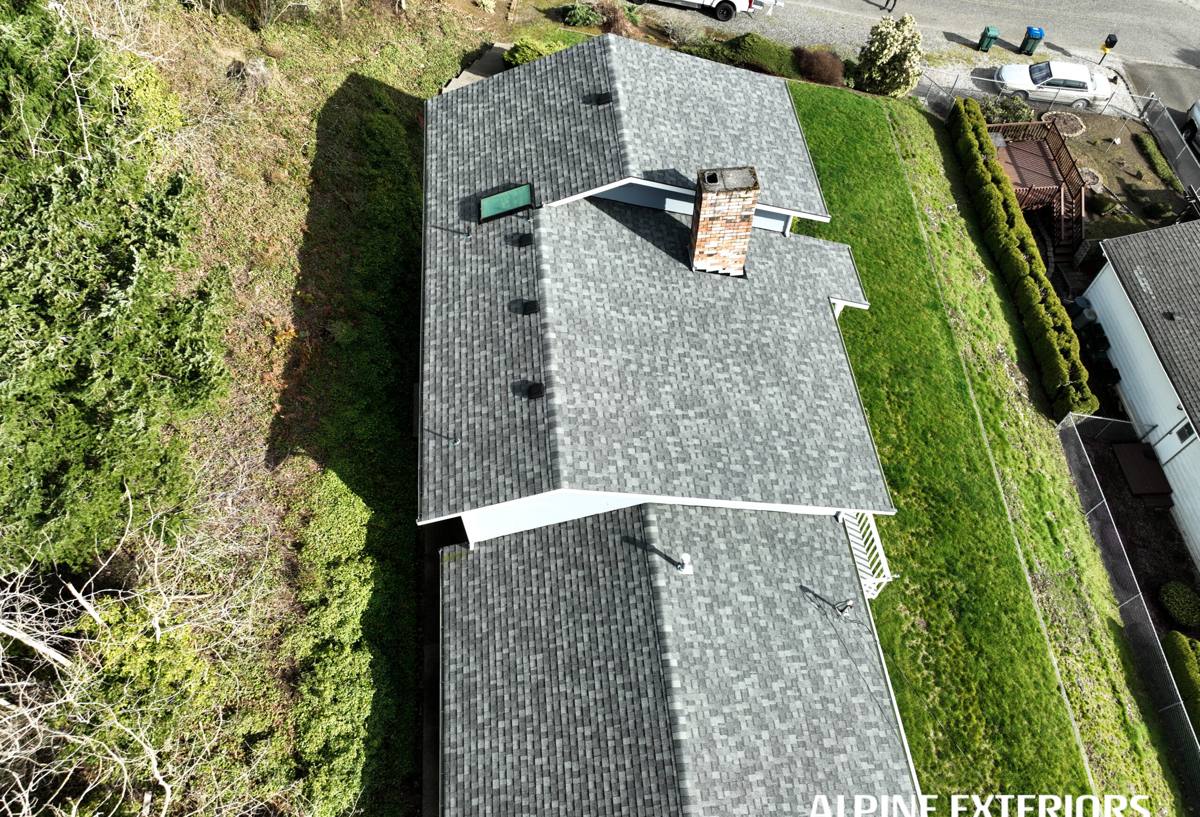
What Ravenna's Housing Stock Means for a Roof Replacement
Ravenna has a lot of Craftsman bungalows, Tudor cottages, and early-to-mid-century homes, many built between the 1910s and 1950s. That matters for a roof job in a few concrete ways:
- Older framing may have less attic ventilation than current code calls for, which needs to be addressed during the tear-off, not ignored.
- Roof decking on homes this age is sometimes skip-sheathing (spaced boards) instead of solid plywood or OSB, which affects whether new decking needs to go down before shingles or panels are installed.
- Many of these homes have moderate to steep roof pitches with multiple valleys, dormers, and chimneys — more penetrations means more places water can find a way in if flashing isn't done right.
- Additions and past re-roofs sometimes layered new roofing over old, which we won't do — a proper new install means going down to the deck so we can actually see what's underneath.
None of this is unusual for the neighborhood, but it does mean a cookie-cutter installation approach isn't the right fit. We look at the actual structure before we quote the job.
Moss and Shade: The Ravenna-Specific Problem
Heavy tree cover is a defining feature of this neighborhood, and it's also the single biggest factor in how fast a roof ages here. Shaded roof sections stay damp far longer after rain than roofs in full sun, and that constant moisture is what lets moss and algae get established. Once moss takes hold, it lifts shingle edges, holds water against the roofing material, and accelerates granule loss — which is how a roof that should last 25-30 years starts showing problems at year 12 or 15. A new roof installation is the right time to build in moss resistance rather than treat it as an afterthought later.
What a Correct New Roof Installation Involves
"New roof" covers a lot of ground, and the difference between a roof that lasts and one that fails early almost always comes down to what happens underneath the visible material. A correct installation includes:
- Full tear-off — removing all existing layers down to the deck so the roof can be inspected and nothing is trapped underneath new material.
- Deck inspection and repair — replacing any rotted, soft, or delaminated sheathing before anything new goes down.
- Ice and water shield in vulnerable areas — valleys, eaves, and around penetrations, where driving rain and ice dams put the most stress on a roof.
- Synthetic underlayment across the full roof — a secondary water barrier that matters more here than in drier climates, given how much of the year this roof will be wet.
- New flashing at every penetration — chimneys, skylights, vents, and wall intersections are where the large majority of roof leaks actually start.
- Balanced attic ventilation — intake at the eaves and exhaust at the ridge, sized correctly so moisture doesn't get trapped in the attic and shorten the life of the new roof from the inside.
- Correct fastening and manufacturer-spec installation — nail placement, exposure, and pattern all affect wind resistance and warranty validity, and they're the details that get rushed on jobs priced too low.
Skipping any of these steps might not show up as a problem in year one. It shows up in year five or eight, usually as a leak that's more expensive to fix than it would have cost to do right the first time.
Roofing Material Options for Ravenna Homes
There's no single "best" roofing material — the right choice depends on the home's style, budget, roof pitch, and how much shade and moss exposure the specific roof sections deal with.
| Material | Typical Lifespan | Moss/Moisture Behavior | Best Fit For |
|---|---|---|---|
| Architectural asphalt shingle (algae-resistant) | 25-30 years | Copper/zinc granules resist algae and moss growth; still needs periodic cleaning in heavy shade | Most Ravenna bungalows and Tudors — good value, wide color range |
| Standard 3-tab asphalt shingle | 15-20 years | No built-in algae resistance; moss takes hold faster under tree cover | Budget-driven jobs on lightly shaded roofs |
| Metal (standing seam or panel) | 40-50+ years | Smooth surface sheds moisture fast; moss struggles to establish | Steeper roofs, homeowners planning to stay long-term |
| Cedar shake | 20-30 years with maintenance | Absorbs moisture, needs regular treatment and cleaning to resist rot and moss in shaded spots | Homeowners committed to the traditional look and its upkeep |
We don't push cedar shake on heavily shaded lots without a clear conversation about the maintenance commitment — it's a beautiful material, but constant dampness under tree canopy is the exact condition it struggles with most. That's a maintenance and moisture-behavior tradeoff we'll walk through honestly, not a knock on the product itself.
Our Installation Process
1. On-Site Assessment
We walk the roof and the attic, note pitch, penetrations, existing ventilation, and how much of the roof sits under tree cover. This is also when we check the deck for soft spots from ground level and attic signs of past leaks.
2. Written Estimate
You get a clear, itemized quote — material, tear-off, deck repair allowance, flashing, ventilation work, and cleanup — before any work starts. No surprise change orders for things we should have caught up front.
3. Protection and Tear-Off
Landscaping, gutters, and siding get protected. Old roofing comes off down to the deck in sections so the house isn't left exposed to weather overnight.
4. Deck Repair and Underlayment
Any compromised sheathing is replaced, then ice and water shield goes down in the vulnerable zones followed by underlayment across the full roof.
5. New Roofing Installation
Material goes down to manufacturer spec, with flashing formed and installed at every penetration rather than relying on caulk or sealant as a substitute for proper metalwork.
6. Ventilation Check and Final Walkthrough
We confirm intake and exhaust ventilation is balanced, then walk the property with you, clean up thoroughly, and do a magnetic nail sweep of the yard and driveway.
Why a Crew That Already Works Ravenna Matters
A roofer who works this neighborhood regularly already knows what to expect before the ladder goes up: which streets have the heaviest tree cover, how steep pitches tend to run on the older housing stock, and what King County permitting and inspection process applies to a full re-roof. That familiarity translates into a more accurate estimate up front and fewer surprises mid-job — not because the work is different, but because the planning starts from real knowledge of the area instead of guesswork.
It also means we're a known, reachable local presence if a question comes up after the job is done — not a crew that worked one job in the area and moved on.
Signs It's Time for a New Roof, Not Another Repair
- Shingles are curling, cupping, or losing significant granules across large sections, not just one spot.
- You've had two or more separate leaks in different areas within the last couple of years.
- Moss coverage is heavy and has been re-treated more than once without lasting results.
- The roof is original to a home built before the 1990s and has never been fully replaced.
- Daylight is visible through the roof deck from inside the attic.
- Energy bills have crept up and attic ventilation or insulation hasn't been addressed alongside the roof.
If your roof is only showing one or two of these signs, a repair may genuinely be the more sensible call — we'll tell you that plainly rather than push a full replacement you don't need yet.
Get a Straight Answer for Your Ravenna Roof
Every roof in this neighborhood carries a different amount of tree cover, a different pitch, and a different history of past repairs, so the right approach isn't the same house to house. If you're weighing a new roof for your Ravenna home, we'll come take an honest look, explain what we find, and put together a clear, no-pressure estimate — use the form below to get started.