 Seattle Exterior
 Deck Building in Capitol Hill
Capitol Hill's mix of older bungalows, craftsman homes, and denser infill construction means decks here have to work with a lot of variety — sloped lots, mature trees overhead, small backyards, and rooflines that were never designed with a deck in mind. Add in Seattle's climate, and a deck that isn't built right doesn't just look bad in a few years, it starts rotting from the inside where you can't see it. We build and rebuild decks for homeowners across Capitol Hill, and the work we do here is shaped as much by King County code and drainage requirements as it is by what actually survives a Pacific Northwest winter.
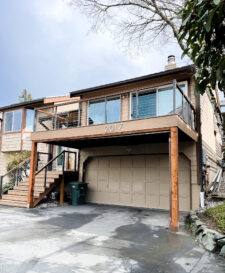
What Seattle's Climate Does to a Deck
Salt air, driving rain, and a long moss season all take their toll on exterior structures, and decks take it worse than almost anything else on the house because they're horizontal, exposed on every side, and often shaded by trees or the house itself. A few things we see over and over on Capitol Hill decks:
- Moss and algae buildup on deck boards that stay shaded and damp for weeks at a stretch, especially on north-facing decks or ones tucked under mature trees
- Fastener corrosion where the wrong screws or nails were used and start bleeding rust streaks or backing out within a few seasons
- Ledger board rot where the deck attaches to the house, usually from missing or failed flashing letting water track behind the siding
- Soft, spongy boards on wood decking that was never sealed on the end grain or underside
- Standing water on landings and stair treads from decks built dead level instead of pitched to shed water
None of this is unusual for our region — it's just what happens to a deck that was built to a minimum standard instead of built for the climate it actually lives in. The fix isn't complicated, but it does require doing several things correctly at once, not just picking a nicer decking material.
Why Shade and Slope Matter More Here Than Elsewhere
A lot of Capitol Hill lots are narrow with mature landscaping, and that shade is part of what makes the neighborhood pleasant to live in — but it also means decks dry out slower after rain than a deck sitting in full sun would. Airflow underneath and around the deck matters as much as the decking material itself. A deck built tight to grade, with poor ventilation beneath it, will hold moisture long after a storm has passed, and that's exactly the environment moss and rot need to take hold.
What a Correctly Built Deck Actually Involves
"Deck building" covers a lot more than laying boards across joists. A deck that's going to hold up in Seattle's climate needs several things done right, in order:
Structure and Framing
Posts, beams, and joists need to be sized correctly for the span and load, using lumber rated for ground contact where posts meet soil or concrete. We use hardware and fasteners rated for exterior and treated-lumber contact — this matters more here than in dry climates, because galvanic corrosion accelerates in persistently damp conditions. Undersized framing or the wrong fastener grade is one of the most common shortcuts we find when we're asked to look at an older deck.
Ledger Attachment and Flashing
Where the deck ties into the house is the single most common failure point we see. It has to be properly flashed so water sheds away from the house framing rather than tracking behind the siding and into the rim joist. This is also one of the areas King County and Seattle building code inspectors pay close attention to, for good reason — a failed ledger connection is both a rot problem and a structural safety issue.
Footings
Footings need to be sized and set below frost depth per code, on soil that can actually bear the load. Capitol Hill's terrain includes some sloped and fill-soil lots, so we don't assume a standard footing depth works everywhere — it gets checked on-site.
Drainage and Slope
Decking should be pitched slightly away from the house, generally around a quarter inch per foot, so water runs off instead of pooling. Gaps between boards need to be consistent enough to let water through without becoming a hazard or trap for debris that holds moisture against the wood.
Decking Material
Whether it's wood or composite, the material has to be installed the way the manufacturer specifies — proper fastening pattern, expansion gaps, and blocking underneath where required. Cutting corners on installation is often what voids a manufacturer's warranty even when the material itself is fine.
Railings and Guards
Any deck above a certain height needs code-compliant guardrails with proper baluster spacing and secure post attachment — this isn't optional and it's one of the first things inspectors check.
Comparing Decking Materials for This Climate
There's no single "best" decking material — it depends on budget, how much upkeep you're willing to do, and how much sun or shade the deck gets. Here's how the common options actually compare for a Seattle backyard:
| Material | Moisture Behavior | Maintenance | Typical Lifespan |
|---|---|---|---|
| Pressure-treated wood | Resists rot when sealed; can cup or check if left bare | Needs cleaning and re-sealing every 1-2 years | 15-20 years with upkeep |
| Cedar | Naturally rot- and insect-resistant; still needs sealing to hold color and prevent graying | Similar to treated wood — periodic cleaning and finish | 15-25 years with upkeep |
| Composite | Doesn't rot or absorb water like wood; can still grow surface algae in shaded, damp spots | Occasional washing, no sealing or staining | 25-30+ years |
| PVC | Fully moisture-resistant, won't rot or support fungal growth | Low — mostly just washing | 25-30+ years |
We'll walk through these trade-offs honestly during a site visit rather than steering everyone toward the most expensive option. A shaded, mossy Capitol Hill backyard is a different decision than a sunny south-facing one, and the right material depends on how the deck actually sits on your lot.
Repair, Rebuild, or Replace?
Not every deck problem means starting over. We evaluate three things before recommending a path:
- Framing condition — if posts, beams, and joists are structurally sound, we can often replace decking and railings without touching the frame
- Ledger and flashing condition — if there's rot at the house connection, that has to be addressed regardless of what else is done, since it's a safety issue
- Code compliance — older decks built before current code may have railing height, baluster spacing, or footing issues that need correcting even in a partial repair
A deck that's mossy and gray but structurally sound might just need a cleaning, a new finish, and better drainage detailing. A deck with soft framing or a rotted ledger needs to come down to the studs. We'll tell you which one you have and why, rather than defaulting to the biggest job.
Our Process for Capitol Hill Deck Projects
Capitol Hill's lots and access constraints — narrow side yards, alley access, street parking limits — mean logistics matter as much as craftsmanship on a lot of these jobs. Our process:
- On-site evaluation — we look at the existing structure (if there is one), the slope of the yard, drainage patterns, sun and shade exposure, and how the deck will tie into the house
- Design and material discussion — sizing, layout, railing style, and material options based on your budget and how you'll use the space
- Permitting — most new decks and many rebuilds in Seattle require a permit; we handle the permit process and build to what's approved
- Demolition (if rebuilding) — removing old decking, framing, or footings that don't meet current standards
- Framing and ledger work — built and flashed to code, inspected before decking goes down
- Decking, railing, and stairs — installed per manufacturer specification with proper drainage slope and gapping
- Final walkthrough — we go over the finished deck with you, including basic care and what to watch for seasonally
What to Expect Timeline-Wise
Simple decking and railing replacements on sound framing can often be done in a few days. A full rebuild with new footings, framing, and permitting typically runs several weeks once you account for inspection scheduling, which is standard for any permitted structural work in Seattle — not something specific to us, just how the process works.
Seasonal Maintenance That Actually Matters
Whatever material you choose, a few habits make a real difference in a climate with a long moss season:
- Sweep leaves and debris off the deck regularly in fall, especially in the gaps between boards
- Clean moss and algae off with a deck-safe cleaner before it gets established, rather than after — pressure washing bare wood too aggressively can damage the surface
- Check and re-seal wood decking on the schedule appropriate for the finish you're using
- Keep gutters and downspouts near the deck clear so runoff isn't dumping extra water onto or under it
- Trim back vegetation that's shading the deck and keeping it damp longer than it needs to be
Why Local Experience on Capitol Hill Matters
A deck built to a generic national standard isn't the same as a deck built for what actually happens to wood and hardware in Seattle year-round. Crews who work Capitol Hill regularly already know the access challenges on tight lots, how King County permitting and inspection scheduling actually runs, and which drainage and flashing details matter most given the neighborhood's shade and moisture patterns. That's the difference between a deck that looks good on install day and one that still looks good — and is still structurally sound — five winters from now.
If you're planning a new deck or dealing with one that's showing its age, we're happy to take a look and give you a straight assessment — no pressure, no upsell. Fill out the form below for a free estimate.