 Seattle Exterior
 Siding That Has to Work in Columbia City's Climate
Columbia City is one of Seattle's older neighborhoods, with a housing stock that ranges from early-1900s Craftsman bungalows near the historic core to newer infill construction on the surrounding blocks. Whatever the age of the house, the siding on it faces the same test every year: months of low, gray skies, wind-driven rain off Puget Sound, and long stretches where painted wood and cheaper composite panels simply don't get a chance to fully dry out. In King County, siding isn't just a cosmetic layer — it's the difference between a wall assembly that stays dry and one that slowly rots from the inside.
We install fiber cement siding in Columbia City because it's the one product category that consistently holds up to this specific mix of moisture, moss pressure, and salt-tinged marine air without the maintenance treadmill that wood and some composite products require. This page covers what that actually means for a Columbia City home — the climate stress, what correct installation looks like, and why the crew you hire matters as much as the product on the wall.
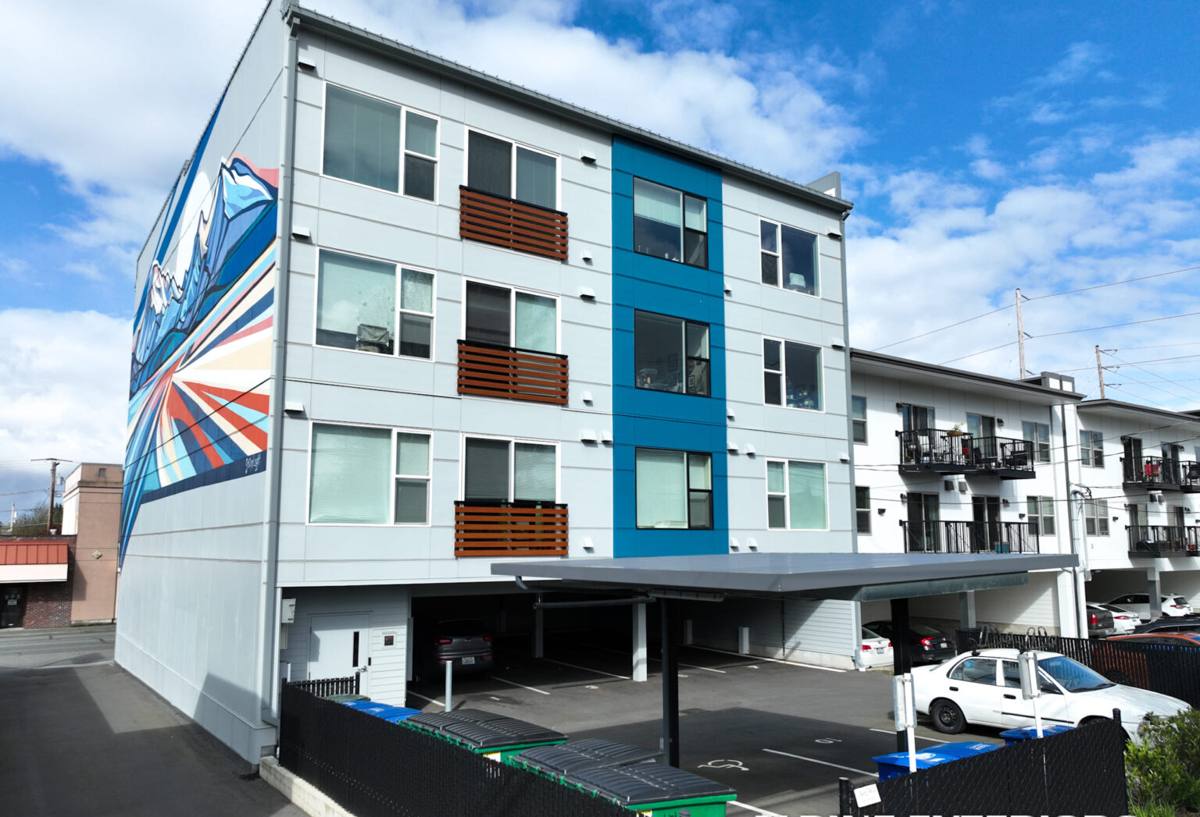
What Seattle's Weather Does to the Wrong Siding
Driving rain and wind exposure
Rain in this region rarely falls straight down. Storms moving in off the Sound push rain sideways against exposed walls, and Columbia City's mix of open lots and mature street trees means some homes get more direct wind exposure than others. Siding with weak seams, poor flashing, or a finish that isn't rated for sustained wet exposure will absorb that moisture over time, even if it looks fine from the curb.
Moss, algae, and a long damp season
King County's wet season stretches from fall through spring, and shaded, north-facing walls in tree-lined neighborhoods like Columbia City rarely get enough direct sun to dry out between storms. That's exactly the environment moss and algae need. On wood siding, moss holds moisture directly against the substrate and accelerates rot. On lower-grade composite panels, prolonged damp exposure can cause swelling at the edges and seams.
Salt-tinged marine air
Columbia City sits back from open water, but the marine layer that moves through the greater Seattle basin off Puget Sound still carries salt-laden moisture into the neighborhood, especially on windier days. Over years, that air accelerates corrosion on unprotected fasteners and can degrade lower-quality paint finishes faster than manufacturers advertise. It's a slow, cumulative effect — the kind that doesn't show up until a homeowner is repainting or repairing siding years ahead of schedule.
Why We Install Only James Hardie Fiber Cement Siding
We made a deliberate decision not to install LP SmartSide, vinyl, Cemplank, Allura, or primed wood siding. That's not a marketing position — it's a standard we hold ourselves to because of what we've seen these products do, and not do, in this climate over time. Vinyl can warp and gap at the seams under sustained wind-driven rain, creating paths for water intrusion behind the panel. Primed wood and engineered wood products need consistent, disciplined maintenance to keep their protective coating intact, and a single missed repaint cycle in a climate this wet can let moisture in fast. Cemplank and Allura are legitimate fiber cement competitors, but we've standardized on one manufacturer so our crews, our warranty process, and our installation details stay consistent from job to job.
James Hardie fiber cement is a cement, sand, and cellulose fiber composite. It doesn't burn, it doesn't rot, and it doesn't feed moss the way wood does. Hardie engineers its HardieZone product lines by climate region — Western Washington falls into the HZ10 zone, which is formulated for consistent moisture exposure rather than freeze-thaw cycling. The factory-applied ColorPlus finish is baked on and warrantied separately from the substrate, which matters in a region where field-applied paint gets less drying time between coats and between rains than it would in a drier climate.
What Correct Installation Actually Involves
Fiber cement siding performs the way it's rated to perform only when it's installed to spec. In a wet climate like Columbia City's, the installation details matter more than they would somewhere dry — a shortcut that's cosmetic in Arizona is a moisture problem here.
The details that actually protect the wall
- A drainage plane and rain screen gap behind the siding, so any moisture that does get past the surface can drain and dry instead of sitting against the sheathing
- Correct flashing at every window, door, and roofline transition — these are the highest-risk points for water intrusion on any siding job
- Proper fastener placement and spacing per Hardie's published installation guide, not a generalized nailing pattern
- Factory-cut and factory-primed edges kept intact wherever possible, with field cuts sealed per manufacturer spec
- Correct starter strip and clearance at the foundation line, keeping siding off grade and away from splash-back moisture
- Caulking used only where Hardie's details call for it — over-caulking can trap moisture rather than shed it
Skipping any one of these doesn't usually cause a visible problem on day one. It shows up two, five, or ten years later as a soft spot, a stain, or a warranty claim that gets denied because the installation didn't match the manufacturer's requirements. That's the real cost of a rushed or unqualified install.
Matching Siding to Columbia City's Architecture
A lot of Columbia City's older housing stock is Craftsman-style, with the horizontal lap siding, wide trim boards, and front porch details typical of that era. James Hardie's lap siding profiles and trim boards are made to replicate that traditional look, so homeowners updating an older home don't have to trade historic character for weather performance. For homes closer to the neighborhood's historic core, we pay attention to matching board exposure width, corner trim style, and color to what's appropriate for the house rather than defaulting to whatever's fastest to install.
Newer construction and infill homes in and around Columbia City have more flexibility — clean modern lap profiles, board-and-batten sections, or a mix of textures are all options within Hardie's product range, and ColorPlus finishes come in a range of tones that hold up under this region's UV and moisture conditions without the fading some field-applied paints show within a few years.
What Drives the Cost of a Columbia City Siding Job
Every home is different, and we don't publish blanket pricing because it isn't honest to do so before we've seen the specific house. What we can tell you is which factors actually move the number, so you're not guessing.
| Cost Factor | Why It Matters |
|---|---|
| Existing siding removal | Tear-off and disposal of old wood, vinyl, or composite siding adds labor and dump fees before installation even starts |
| Hidden moisture or rot damage | Sheathing repair found once old siding comes off is common on older Columbia City homes and is priced once it's visible, not guessed at upfront |
| Home size and wall complexity | Dormers, bump-outs, and multiple gables mean more cutting, flashing, and labor time than a simple rectangular footprint |
| Siding profile and trim selection | Standard lap siding is generally more economical than board-and-batten or shingle-style panels with heavier trim detail |
| Site access | Narrower lots, mature landscaping, and limited street parking common in older neighborhoods can affect staging and labor time |
| Color | Factory ColorPlus finishes come at different price tiers depending on the color family selected |
Our Process on a Columbia City Job
We start with an in-person inspection of the existing siding and, where accessible, the wall assembly behind it, so we can flag moisture damage before it becomes a surprise mid-project. From there we walk through product line, profile, and color options based on the home's style and your budget. Once a scope is agreed on, we handle tear-off, any necessary sheathing repair, correct rain screen and flashing installation, and Hardie siding installation per manufacturer specification — followed by a final walkthrough so you know exactly what was done and why.
We also pull the appropriate permits for the work rather than skipping that step to save time. In Seattle, that protects you as the homeowner if the work is ever reviewed during a future sale or insurance claim.
Why It Matters to Hire a Crew That Already Works This Neighborhood
A crew that's worked Columbia City knows the general age and construction patterns of the housing stock, understands what King County's damp season does to a wall over a full year rather than a single site visit, and has already worked through the local permitting process more than once. That translates into fewer surprises mid-project and a finished install that's detailed for this climate specifically, not a generic installation done the same way it would be in a dry region. It also means a warranty relationship with a contractor who's still local and reachable years down the road, not a crew that moved on after one job.
If you're weighing a siding project on a Columbia City home, we're happy to come take a look, walk the exterior with you, and give you a straight assessment of condition and options — no pressure, no obligation. Use the form below to request a free estimate.