 Seattle Exterior
 Siding in Rainier Valley Has to Work Year-Round, Not Just Look Good on a Dry Day
Rainier Valley is one of Seattle's older, more established residential areas, with a housing stock that spans early-1900s bungalows, mid-century ramblers, and newer infill construction sitting side by side on the same block. What almost all of these homes have in common is exposure to the same demanding climate: months of steady, low-intensity rain, humid marine air moving in off Puget Sound, and long stretches of gray, low-sun weather that keeps exterior surfaces damp far longer than homeowners moving here from drier climates expect. That combination is hard on siding. It's especially hard on siding that wasn't engineered for it.
This page is about one thing: fiber cement siding installed correctly on Rainier Valley homes. Not a general overview of siding materials, not a citywide pitch — the specific problems King County's climate creates for exterior walls in this neighborhood, and what it actually takes to solve them.
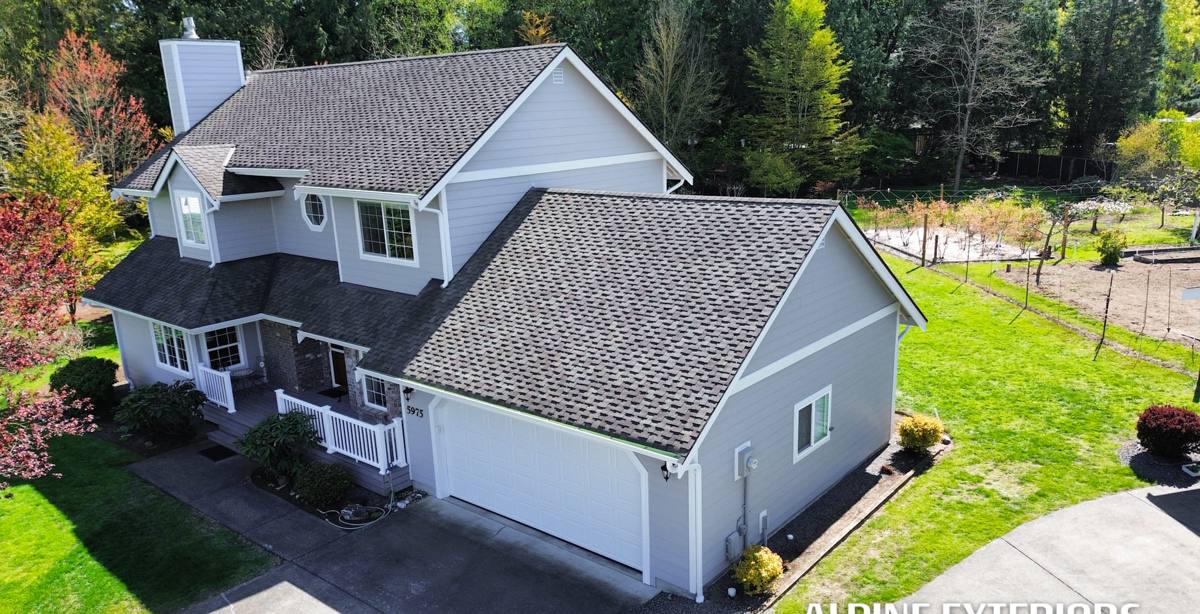
What the Local Climate Does to Exterior Siding
Driving Rain and Wind-Driven Moisture
Seattle doesn't get the short, heavy downpours some regions do — it gets long-duration rain, often pushed sideways by wind off the water. That matters because wind-driven rain doesn't just wet a surface, it works moisture into every seam, lap joint, and fastener penetration in a wall system. Siding materials and installation details that are fine in a calm, dry climate get exposed fast here.
Salt Air and Marine Humidity
Proximity to Puget Sound means the air carrying moisture onto homes in this part of Seattle also carries salt content. Salt-laden moisture accelerates corrosion on fasteners and metal flashing, and it speeds up the breakdown of paint films and porous wood surfaces that aren't built to shed it. Over years, that's a slow, cumulative process — the kind of thing that doesn't show up as a single failure, but as gradual deterioration that catches homeowners off guard when they finally look closely.
A Long Moss and Mildew Season
Shaded lots, mature trees, and months of damp conditions add up to an extended moss and mildew season for exterior surfaces across Rainier Valley. Moss and algae don't just look bad — they hold moisture directly against the siding surface, which is exactly the wrong thing for wood-based products and can degrade paint and caulk lines on any material if left unaddressed.
Why Fiber Cement Is the Right Material for This Climate
James Hardie fiber cement is a cement, sand, and cellulose fiber composite, not a wood product and not a plastic one. That distinction matters directly for the three climate factors above:
- It doesn't rot. Fiber cement has no organic wood fiber for moisture to break down over time, unlike solid wood or wood-based composite siding.
- It resists moisture-driven warping and swelling. Wood and engineered wood products expand and contract with moisture cycles; fiber cement is dimensionally stable across wet and dry seasons.
- It's non-combustible. Not a climate factor specifically, but a genuine advantage for long-term home protection that comes with the material.
- ColorPlus factory finish resists fading and moss adhesion better than field-applied paint, because it's baked on in a controlled environment rather than applied on-site and left to cure in variable weather.
We install James Hardie exclusively. We don't offer LP SmartSide, vinyl, Cemplank, Allura, primed spruce, or cedar as alternatives — not because those products have no merit anywhere, but because after years of working on homes in exactly this climate, Hardie's combination of moisture performance, factory finish durability, and warranty backing is what we're willing to put our name behind here.
How Siding Materials Compare in a Marine Climate
| Material | Moisture Behavior | Moss/Algae Resistance | Long-Term Maintenance |
|---|---|---|---|
| Vinyl | Doesn't absorb water, but can warp or crack in temperature swings and loosen at fastener points over time | Moderate — smooth surface sheds some growth, but seams and laps trap debris | Low upfront, but limited repair options once it cracks or fades |
| Cedar / solid wood | Absorbs moisture readily; prone to swelling, cupping, and rot without diligent upkeep | Low — porous surface is an easy host for moss and mildew | High — regular refinishing, caulking, and spot repair needed |
| Engineered wood (e.g. LP-type products) | Better than solid wood but still wood-fiber based; edge and cut-end moisture intrusion is a known risk if not fully sealed and maintained | Moderate — depends heavily on coating condition | Moderate — coating and edge sealing require attention over the product's life |
| James Hardie fiber cement | Cement-based composite; does not swell, rot, or absorb moisture the way wood-based products do | High — factory ColorPlus finish resists moss adhesion better than field-applied paint | Low — periodic washing, no repainting cycle required with ColorPlus |
No siding material is entirely maintenance-free, and installation quality matters as much as material choice for any of the products above. But when we weigh what holds up best against Seattle's rain, humidity, and moss season with the least ongoing burden on the homeowner, fiber cement is consistently the material we recommend and the only one we install.
What a Correct Fiber Cement Installation Actually Involves
Fiber cement performs the way it's designed to only when it's installed correctly. Most of the siding failures we get called out to inspect in older Seattle-area installations trace back to installation shortcuts, not the material itself. A correct job includes:
- Proper weather-resistive barrier (house wrap) installed and lapped correctly before any siding goes on
- Rain screen or drainage gap where conditions call for it, so moisture that does get behind the cladding can drain and dry rather than sit against the wall sheathing
- Correct fastener type, spacing, and penetration depth per James Hardie's published installation specifications — not generic siding nailing patterns
- Proper flashing at windows, doors, and all penetrations, integrated with the water-resistive barrier rather than just caulked over
- Correct clearance between siding and grade, decks, roof lines, and other transitions, so the bottom edge of the siding isn't sitting in standing water or snow
- Factory-cut and factory-primed edges used wherever possible, with any field cuts properly sealed
- Caulking only at the joints James Hardie specifies — not as a substitute for proper flashing detail work
Skipping any one of these doesn't usually cause an immediate, visible problem. It shows up two, five, or ten years later as trapped moisture, staining, or fastener failure — which is exactly why installation quality matters more than most homeowners realize when they're comparing bids.
Our Process for Rainier Valley Homes
Assessment
We start with an on-site look at your home's current siding, existing moisture or moss issues, trim and flashing condition, and any problem areas specific to your lot — shaded sides, drainage patterns, or spots where past work was done incorrectly.
Product and Line Selection
James Hardie offers different plank profiles, textures, and its HZ climate-engineered product formulations. We help you select the combination that fits your home's style and this region's weather, not a one-size-fits-all default.
Prep and Removal
Old siding comes off, and we inspect the sheathing underneath for any moisture damage that needs to be addressed before new siding goes on — installing new siding over a compromised wall assembly just hides a problem instead of fixing it.
Installation to Manufacturer Spec
Weather barrier, drainage detailing, flashing, and fastening are all done to James Hardie's installation requirements, which is also what keeps the manufacturer's warranty intact.
Final Walkthrough
We go over the finished work with you directly so you know what was done and what to expect from the material going forward.
Signs Rainier Valley Homeowners Should Watch For
If your current siding is showing any of the following, it's worth having it looked at before the next wet season sets in:
- Persistent moss or dark staining that returns quickly after cleaning
- Soft or spongy spots, especially near the bottom courses or around window and door trim
- Paint that's peeling, bubbling, or failing faster than it used to
- Visible warping, cupping, or gaps opening up between boards
- Rust streaking from fastener heads
- Interior signs like musty smells or damp drywall on exterior-facing walls
Any of these can indicate moisture has already gotten past the siding surface, which is a different and more urgent problem than surface wear alone.
Maintenance Once Fiber Cement Is Installed
One of the practical advantages of James Hardie with a ColorPlus finish is how little ongoing maintenance it asks for compared to wood or field-painted products. In this climate, that mostly comes down to:
- Periodic gentle washing to keep moss and organic buildup from establishing on the surface
- Keeping gutters and downspouts clear so water isn't sheeting down the siding face
- Trimming back vegetation and tree cover that keeps sections of the wall shaded and damp longer than necessary
- Periodic visual checks of caulking and trim joints, particularly after a hard winter
There's no repainting cycle to plan around, which over the life of the siding is a meaningful reduction in upkeep compared to solid wood or field-finished alternatives.
Why Local Installation Experience Matters
Fiber cement installation instructions look straightforward on paper. Getting them right on an actual Seattle-area home — accounting for this specific rain pattern, this humidity level, this moss pressure, and the mix of older and newer construction found throughout Rainier Valley — is where experience shows. A crew that installs Hardie regularly in this climate makes different judgment calls on drainage detailing, flashing integration, and clearance than a crew installing the same product in a dry inland climate where those details matter less. That difference is what separates siding that performs for decades from siding that looks fine for a few years and then starts showing problems.
If you're weighing a siding replacement or repair in Rainier Valley, we're glad to walk your property, look at what's there now, and talk through what correct fiber cement installation would involve for your specific home. There's no pressure and no obligation — just a straightforward look and an honest estimate. The form below is the easiest way to get started.