 Seattle Exterior
 Why Queen Anne Roofs Wear Differently
Queen Anne sits high above the rest of Seattle, and that elevation cuts both ways. The views are part of what makes the neighborhood what it is, but the same exposure that gives you a look at the Sound and the skyline also means your roof takes more wind, more driving rain, and more direct weather than homes tucked into lower, more sheltered parts of King County. A shingle roof up on the hill is doing more work than the same roof three miles away at sea level, and it needs to be built and maintained with that in mind.
Add in the salt air moving off Puget Sound, months of steady rain, and a moss season that can run from fall through spring, and you've got a combination that shortens the life of a roof that isn't installed or maintained correctly. None of this means asphalt shingles are the wrong choice for the neighborhood — they're not. It means the details matter more here than they do in a drier, calmer climate, and cutting corners shows up faster.
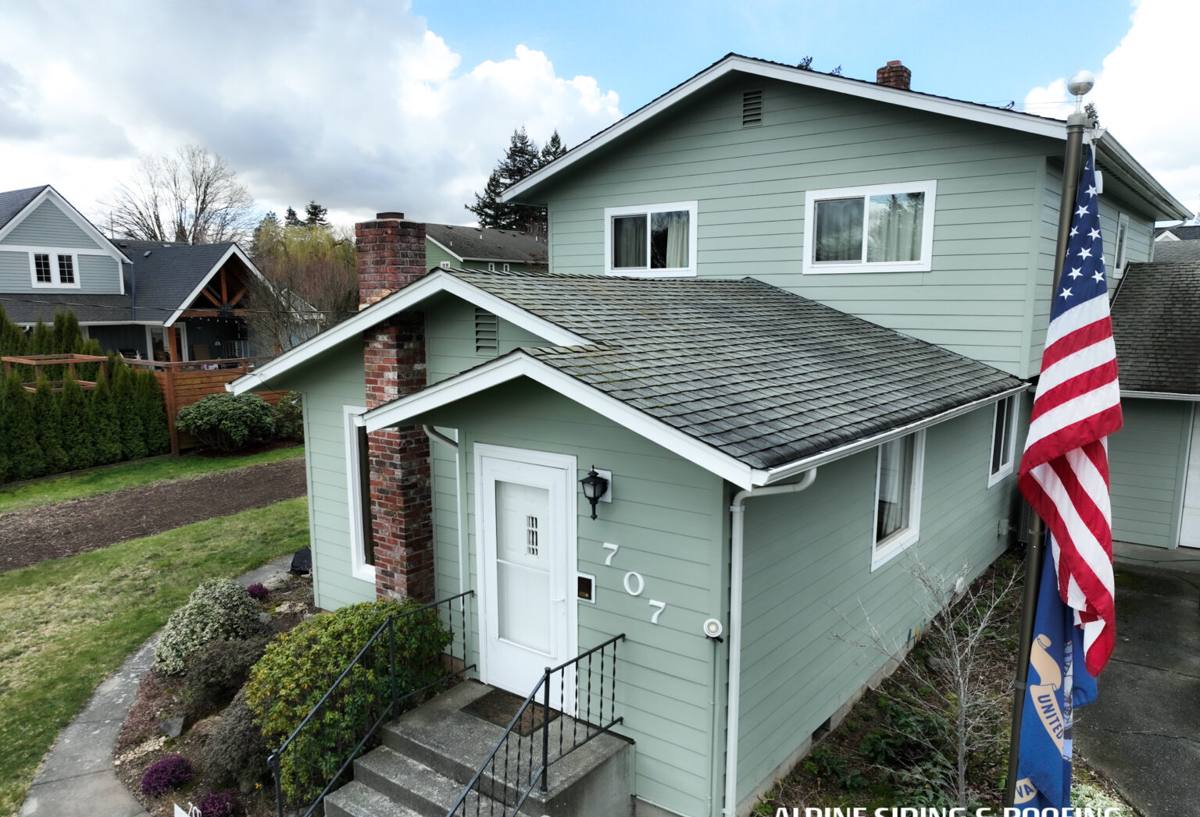
What This Climate Actually Does to a Shingle Roof
Moss and Organic Growth
Queen Anne's tree cover, shade patterns, and near-constant damp give moss everything it needs to take hold. Moss isn't just cosmetic — as it grows, it lifts shingle edges, holds moisture against the roof deck, and works its way under tabs and around fasteners. Left alone through a full wet season, it can shorten the life of an otherwise sound roof by years.
Wind Exposure
Homes higher on the hill or on more open lots catch stronger gusts than roofs down in sheltered pockets of the city. Shingles rated for a lower wind speed, or shingles that weren't sealed and nailed correctly to begin with, are the ones that start losing tabs first when a winter storm comes through.
Driving Rain
Seattle rain doesn't always fall straight down. When it's pushed sideways by wind off the water, it finds every weak point in flashing, valleys, and underlayment. A roof that would hold up fine under vertical rainfall can still leak under driving rain if those details were rushed.
Salt Air
Proximity to Puget Sound means airborne salt settles on roofing materials and exposed metal over time. It won't damage asphalt shingles the way it corrodes bare metal fasteners or unprotected flashing, which is one more reason the metal components of a roofing system deserve the same attention as the shingles themselves.
Signs Your Queen Anne Roof Needs Attention
Most roofing problems don't start as leaks — they start as small, visible signs that get ignored because they don't seem urgent yet. On a home in this climate, we'd rather you call us about something that turns out to be minor than wait until it isn't.
- Dark streaking, green or black growth, or thick moss patches on north-facing or shaded slopes
- Granules collecting in gutters or at the base of downspouts
- Curling, cupping, or lifted shingle edges, especially on more exposed roof planes
- Missing or visibly cracked shingles after a windstorm
- Rusted, lifted, or missing flashing around chimneys, skylights, or roof-to-wall joints
- Sagging in the roofline or soft spots noticeable from the attic
- Water stains on interior ceilings, especially after a stretch of heavy rain
- A roof that's 18-20+ years old and hasn't had a professional inspection recently
Choosing the Right Asphalt Shingle for This Climate
Not every asphalt shingle product is built the same way, and the right choice for a Queen Anne home depends on exposure, roof pitch, and how much maintenance you want to do down the road. We walk homeowners through the trade-offs honestly rather than pushing the most expensive option by default.
| Shingle Type | Wind Rating | Moss/Algae Resistance | Typical Lifespan | Best Suited For |
|---|---|---|---|---|
| Standard 3-Tab | Lower | None without treatment | 15-20 years | Budget-conscious projects, less exposed roof planes |
| Architectural / Laminate | Moderate to High | Varies by manufacturer | 25-30 years | Most Queen Anne homes; better wind and impact performance |
| Algae-Resistant (Copper/Zinc-Granule) | Moderate to High | Built-in resistance | 25-30 years | Shaded lots, north-facing slopes, heavy moss areas |
| Impact-Rated / High-Wind Rated | High | Varies by manufacturer | 25-30+ years | Fully exposed roofs, hilltop or open-lot homes |
For most homes in this neighborhood, we lean toward architectural shingles with algae-resistant granules. The upfront cost is higher than 3-tab, but the combination of better wind performance and slower moss regrowth tends to pay for itself over the life of the roof, especially on shaded lots where moss is a recurring fight.
What a Correct Installation Actually Involves
The shingle itself is only one part of a roofing system. On a climate like this one, the details underneath and around the shingles are what actually determine whether the roof performs for its full rated life.
Underlayment and Ice-and-Water Protection
A quality synthetic underlayment across the full roof, with self-adhering ice-and-water membrane at eaves, valleys, and around penetrations, gives you a second line of defense if wind-driven rain gets past the shingles. This is not an area to skip on a house that catches weather the way homes up here do.
Flashing
Chimneys, skylights, dormers, and roof-to-wall transitions are the most common places a roof actually fails. Correct step flashing, counter-flashing, and valley metal — properly lapped and sealed — matter more than the shingle brand.
Ventilation
Balanced intake and exhaust ventilation keeps the attic and roof deck at a stable temperature and moisture level. Poor ventilation traps moisture, which accelerates deck rot and gives moss and mildew a head start from underneath.
Nailing Pattern and Fastener Placement
Manufacturer-specified nailing patterns aren't a formality — they're what the wind-rating on the shingle package actually depends on. Underdriven, overdriven, or misplaced nails are one of the most common causes of early shingle blow-off, and it's not something you can see from the ground.
Our Process on Queen Anne Projects
Every roof starts with an honest look before any recommendation.
- Inspection and estimate. We assess the current roof, deck condition, ventilation, and flashing, and give you a straight answer on whether you need a repair or a full replacement.
- Material selection. We walk through shingle options, wind ratings, and moss-resistance features based on your specific roof exposure and shade.
- Tear-off and deck check. Old roofing comes off down to the deck so we can catch and address any rot or soft spots before new material goes down — not just install over a problem.
- Underlayment, flashing, and ventilation. The parts of the system you won't see once it's done are installed first and installed correctly.
- Shingle installation. Manufacturer specifications for nailing pattern, exposure, and sealant strip activation are followed on every course.
- Cleanup and final walkthrough. Job site and gutters cleared of debris, magnetic sweep for stray fasteners, and a walkthrough so you know exactly what was done.
Maintenance That Actually Extends Roof Life Here
A well-installed shingle roof in this climate still needs periodic attention. The homeowners who get the longest life out of their roofs tend to do a few simple things consistently rather than reacting only when there's a problem.
- Keep gutters and downspouts clear so water isn't backing up under eave edges
- Have moss treated and gently removed before it thickens, rather than scraped aggressively after the fact
- Trim back overhanging branches that keep roof sections shaded and damp
- Schedule a roof check after any major windstorm, not just once a year
- Address flashing or sealant issues as soon as they're spotted — they're inexpensive to fix early and expensive to ignore
Why Local Experience on Queen Anne Matters
Queen Anne's housing stock skews older than a lot of the surrounding city, with a mix of roof pitches, dormers, and additions that don't always follow a standard layout. Steep streets, narrow access, and hillside lots also change how a crew stages equipment and material compared to a flat suburban job. A roofing crew that regularly works this neighborhood already knows how to plan around that — where to safely stage a dumpster or lift on a sloped street, how to protect landscaping on a tight lot, and what a given roof style typically needs once the old shingles come off.
That familiarity isn't a marketing point — it's the difference between a job that goes smoothly and one that runs into surprises the crew has never dealt with before. We work throughout Seattle and King County, and Queen Anne's combination of elevation, tree cover, and older construction is a pattern we've seen enough times to plan for correctly from the first estimate.
Get a Straight Answer About Your Roof
If your shingle roof is showing moss, missing granules, lifted edges, or you just haven't had it looked at in a few years, we're glad to come out, take an honest look, and walk you through what we find. There's no pressure and no obligation — just a clear picture of where your roof stands and what it would take to fix it right. Use the form below to request your free estimate.