 Seattle Exterior
 Wallingford Roofs Work Harder Than People Realize
Wallingford sits in one of the more established residential pockets of Seattle, and a lot of the housing stock here has been through decades of the same weather pattern: long stretches of low-intensity rain, damp air rolling in off Puget Sound, and short, dark winter days that never quite let a roof dry out completely. That combination is harder on a roof than a single big storm ever is. It's the slow, steady moisture exposure that breaks materials down over time.
Add in King County's moss season, which for a lot of properties runs most of the year on shaded or north-facing slopes, and you've got a roofing environment that rewards careful installation and punishes shortcuts. A new roof installed correctly for this climate should last decades. One installed without attention to ventilation, flashing detail, and material choice can start showing problems in five to ten years, even with a quality shingle on top.
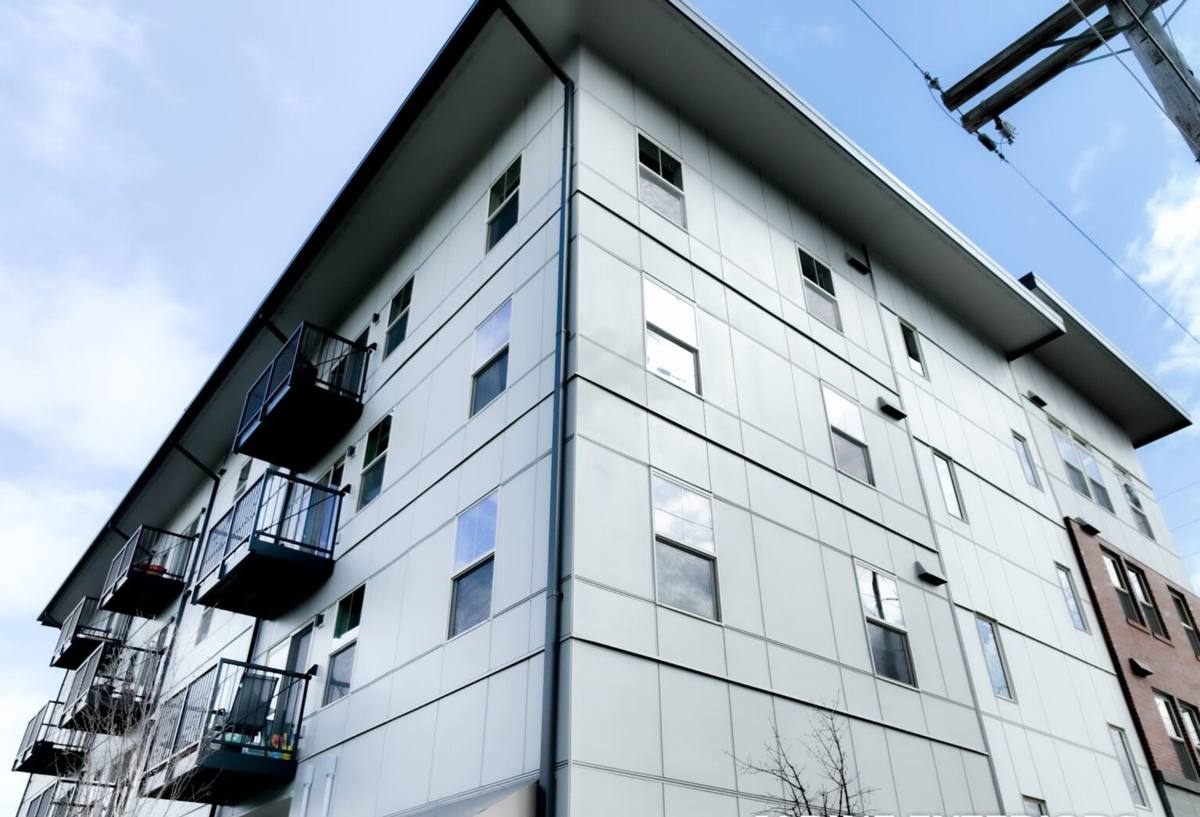
Signs a Wallingford Home Needs a New Roof, Not Another Repair
Not every roofing problem calls for full replacement, and we'll tell you honestly when a repair is the right call. But there's a point where patching stops making financial sense. Some of the signals we look for during an inspection:
- Granule loss heavy enough that you can see bare asphalt on multiple slopes, not just one weak spot
- Shingles that are cupping, curling, or cracking across large sections rather than isolated areas
- Soft or spongy decking felt underfoot, which usually means moisture has already gotten past the roofing layer
- Daylight visible through the attic roof deck, or consistent damp staining on rafters
- Persistent moss growth that keeps coming back within a season or two of cleaning
- A roof that's already had two or more repair visits for separate leaks in the past couple of years
If a roof is under 10 years old and the damage is localized, repair is usually the smarter move. Past that age, with widespread wear, the math tends to favor a full replacement — repeated repairs on an aging roof rarely save money in the long run.
What a Correct New Roof Installation Actually Involves
A roof is a system, not a single layer of shingles. Skipping or shortcutting any layer is where most premature failures start, and it's the part homeowners often can't see once the job is finished — which is exactly why it matters who's doing the work.
Tear-off and deck inspection
We remove the old roofing down to the deck rather than layering over it. That lets us actually see the plywood or sheathing underneath, replace any sections that are soft, delaminated, or water-damaged, and confirm the deck is properly nailed before anything new goes down.
Underlayment and water protection
In a climate with as much sustained rain as ours, underlayment isn't a formality. We use synthetic underlayment across the field of the roof and self-adhering ice-and-water shield in the vulnerable spots — eaves, valleys, around chimneys and skylights — where wind-driven rain is most likely to find a way in.
Flashing
Flashing around chimneys, vent pipes, skylights, and roof-to-wall transitions is where the majority of leaks actually originate, not in the open field of shingles. We install new flashing rather than reusing old pieces, and we pay close attention to step flashing at wall intersections, which is one of the most commonly rushed details in the trade.
Ventilation
Proper intake and exhaust ventilation keeps the attic temperature and moisture balanced, which protects the roof deck from the inside and helps prevent the ice-damming and condensation issues that come with our wet, moderate winters. A shingle warranty can be affected by inadequate ventilation, so this isn't optional — it's part of a correct install.
Final shingle installation
Correct nailing pattern, proper exposure, and manufacturer-specified starter courses and ridge caps. This is the visible layer, but it's the last of several steps that all have to be done right for it to perform as expected.
Roofing Material Options for Wallingford Homes
Most homes in this part of Seattle end up choosing between a few proven material categories. There's no single "best" answer — it depends on the roof's slope, the home's style, budget, and how much long-term maintenance a homeowner wants to take on.
| Material | Typical Lifespan | Moss & Moisture Behavior | Best Fit |
|---|---|---|---|
| Architectural (dimensional) asphalt shingle | 25–30 years | Good with proper ventilation; algae-resistant granule options help with staining | Most Wallingford homes; strong value and appearance |
| 3-tab asphalt shingle | 15–20 years | More prone to curling and granule loss over time | Budget-focused projects, secondary structures |
| Standing seam metal | 40–50+ years | Sheds moisture and moss very well; minimal surface for growth to take hold | Homeowners planning long-term ownership, modern or steep-slope homes |
| Cedar shake | 20–30 years with upkeep | Requires regular treatment and cleaning to resist moss and rot in our climate | Craftsman-style homes where matching original character matters most |
We'll walk through what each option means for your specific roof — pitch, sun exposure, and tree cover all affect how a material actually performs on your house, not just on paper.
Moss and Ventilation: The Maintenance Factor That Outlasts the Install
Moss doesn't just sit on a roof looking bad — its root structure holds moisture against the shingle surface and can lift edges over time, giving water a path underneath. A new roof buys you a clean start, but the same conditions that grew moss on the old roof are still there afterward: shade, damp air, and organic debris from nearby trees.
Two things make the biggest difference in keeping a new roof moss-resistant longer: algae-resistant shingle products with copper or zinc granules, and keeping gutters and valleys clear so water doesn't sit. Zinc or copper strips near the ridge can also help on shaded slopes. None of this replaces periodic cleaning, but it significantly extends the time between it.
Cost Factors for a New Roof in Wallingford
We don't publish flat pricing because roofs vary too much house to house, but these are the factors that actually move the number, in rough order of impact:
| Factor | Why It Matters |
|---|---|
| Roof size and number of slopes | More square footage and more complex cuts mean more material and labor |
| Deck condition | Rotted or soft sheathing found during tear-off has to be replaced, which isn't always visible from the ground beforehand |
| Pitch and access | Steep roofs or homes with limited access require more safety equipment and time |
| Material choice | Asphalt, metal, and cedar carry very different material and labor costs |
| Number of penetrations | Chimneys, skylights, and vent stacks each need individual flashing work |
| Permit and disposal costs | Seattle permitting and tear-off disposal are part of a properly bid job, not an add-on surprise |
A written estimate should account for all of these up front. If a bid seems unusually low compared to others, it's worth asking specifically what's included — underlayment grade, flashing replacement, and disposal are common places where corners get cut to hit a lower number.
Our Installation Process
- On-site inspection — we assess the current roof, attic ventilation, and any problem areas before recommending replacement over repair
- Written estimate — a clear breakdown of materials, scope, and timeline, no vague allowances
- Permitting — we handle the required Seattle permit paperwork so you don't have to
- Tear-off and deck repair — old roofing removed, deck inspected and repaired as needed
- Underlayment, flashing, and ventilation installed — the layers that determine long-term performance
- Shingle or material installation — completed to manufacturer specification for warranty coverage
- Cleanup and final walkthrough — site cleared of debris and nails, roof reviewed with you before we consider the job done
Why a Crew That Already Works Wallingford Matters
Roofing crews that work regularly in this part of Seattle understand the practical realities of the neighborhood — narrow lots, mature trees close to rooflines, older homes with decking that doesn't always match modern spacing standards, and the City of Seattle's permitting process. That familiarity shows up in fewer surprises mid-project and a bid that reflects what a job here actually requires, rather than a generic estimate that gets revised once tear-off starts.
It also matters for accountability. A local crew is easy to reach if a question comes up after the job, and has a reputation in the neighborhood worth protecting — that's a different incentive than an out-of-area company that won't be back this way often.
Questions Worth Asking Any Roofing Contractor
- Are you licensed and insured to work in Washington State, and can you provide proof?
- Will you replace damaged decking as part of the base bid, or is that billed separately if found?
- What underlayment and ice-and-water shield products are included, and where will they be used?
- How will you handle attic ventilation as part of the install?
- Who pulls the permit, and is that cost included in the estimate?
- What's the manufacturer's warranty, and is your crew certified to install that product under it?
- What's the cleanup process, including magnetic sweep for nails?
A contractor who answers these clearly and specifically, without hedging, is generally one worth trusting with the job.
If your roof in Wallingford is showing its age or you're just not sure whether repair or replacement makes sense, we're happy to take a look and give you a straight answer. Reach out for a free, no-pressure estimate using the form below.