 Seattle Exterior
 Fremont's Climate Is Harder on Windows Than It Looks
Fremont sits close enough to the water and the ship canal that homes here take a steady beating from moisture nobody notices until it's a problem. Driving rain off the Sound pushes sideways against west- and north-facing walls for months at a time. Salt-laced air corrodes hardware and finishes faster than inland neighborhoods ever see. And Seattle's long, damp shoulder seasons keep wood, vinyl, and even some composite frames wet for weeks at a stretch, which is exactly the condition moss and mildew need to take hold on sills, tracks, and exterior trim.
None of that is dramatic on its own. It's cumulative. A window that's a good product in a dry climate can still fail early here if it's installed without the right flashing detail, the right drainage path, or the right seal against wind-driven rain. In King County, the installation matters as much as the window itself — sometimes more.
What Makes a Window Job "Custom" in Fremont
"Custom" doesn't mean fancy — it means the window is built and fit to your actual opening, not pulled off a shelf in a standard size and forced to work. Fremont's housing stock makes this the rule rather than the exception.
Older Homes, Non-Standard Openings
A lot of Fremont's homes date from a period when window openings were framed by hand, not to a modern manufacturer's size chart. Decades of settling, past remodels, and repairs add more variation on top of that. Trying to force a stock-size replacement into an opening that's an inch out of square almost always means gaps, shims, and caulk doing the job that a proper frame should be doing — and that's where leaks start.
Historic and Craftsman Character
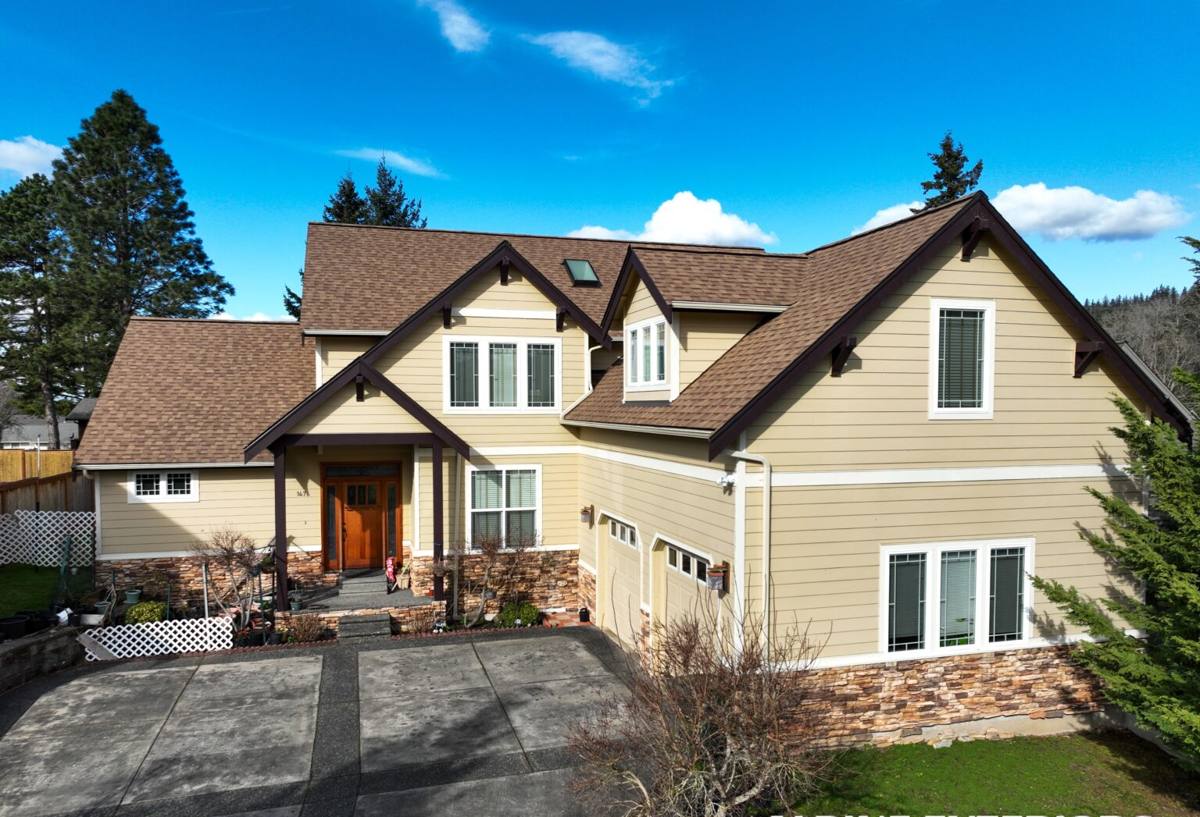
Fremont has a strong mix of early-1900s bungalows, Craftsman-style homes, and mid-century houses, often within sight of each other on the same block. Muntin patterns, trim profiles, and sightlines vary a lot between them. Custom sizing and configuration let a new window match the house it's going into instead of looking like an obvious retrofit — which also tends to matter for resale value in a neighborhood where character homes carry a premium.
Signs Your Windows Are Failing
Window failure in this climate is usually gradual. By the time you notice it, moisture has often been working on the frame or wall cavity for a while. Watch for:
- Fogging or visible moisture between panes on a double- or triple-pane unit — the seal has failed
- Wood trim or sills that feel soft, spongy, or show dark staining
- Green or black growth on sills, tracks, or lower corners that comes back after cleaning
- Drafts you can feel with a hand near the frame on a windy day
- Windows that stick, won't stay open, or are hard to lock — frames have shifted or swollen
- Paint that bubbles or peels specifically around the window, not the rest of the wall
- A noticeable jump in heating costs with no other explanation
Any one of these is worth a look. Several at once usually means it's time to replace rather than patch.
Frame Material and Glass Options for This Climate
There's no single "best" window material — the right call depends on the house, the exposure, and how much upkeep you want to take on. Here's how the common options hold up against Fremont's specific conditions:
| Material | How It Handles Rain & Moisture | Maintenance | Good Fit For |
|---|---|---|---|
| Vinyl | Won't rot; seams and welds need to be well-made to shed water long-term | Low — occasional cleaning | Budget-conscious replacements, rear/side elevations |
| Fiberglass | Dimensionally stable in wet-dry cycles; holds paint and seals well | Low to moderate | Street-facing windows on character homes, high-exposure walls |
| Wood (clad exterior) | Good insulating and appearance value, but exposed wood needs a sound exterior clad or paint film to keep rain out | Moderate to high — finish upkeep matters | Historic-character homes where interior wood look is a priority |
| Aluminum | Prone to condensation and corrosion in salt-influenced air unless thermally broken | Moderate | Specific architectural or commercial-style applications only |
For glass, a good low-E, argon-filled double pane is the baseline we'd recommend for almost any Fremont home — it manages both our wet cold snaps and the occasional summer heat without overpaying for performance you won't use. Triple pane earns its cost on north- and west-facing walls that take the worst of the wind and rain, or for owners prioritizing sound reduction near busier streets.
How We Approach a Fremont Window Installation
A window is only as good as its installation, especially in a climate that tests the seal year-round. Our process is built around getting the parts you can't see right, not just the parts you can:
- On-site measurement — every opening is measured individually; we don't assume symmetry between windows on the same wall, especially in older homes.
- Inspection of the existing opening — we check the sill, framing, and sheathing for hidden rot or moisture damage before ordering anything. This is often where a "simple swap" turns into a real repair, and we'll tell you honestly if that's the case.
- Correct flashing and drainage plane integration — the new window is tied into the wall's water management system, not just caulked into the hole.
- Air-seal and insulation at the rough opening — gaps are properly insulated and sealed, not just stuffed.
- Interior and exterior trim finish — matched to the home's existing profiles where that matters to you.
- Final operation and seal check — every window is tested for smooth operation and a tight seal before we consider the job done.
Flashing, Moisture Management, and Moss — the Parts You Don't See
Most window failures we're called out to inspect in Fremont aren't caused by a bad window — they're caused by water getting behind a window that was installed without proper flashing or drainage. Driving rain doesn't need much of a gap to find its way in, and once moisture gets into the wall cavity around a window, it can sit there for a long time before it shows up as a stain or soft spot inside.
Moss deserves its own mention because it's so common on Puget Sound-area homes. It doesn't just grow where you can see it — moss and algae growth on sills and lower sashes traps moisture against wood and painted surfaces, which accelerates rot and finish failure. Part of doing a window right here is making sure sills are sloped to shed water instead of holding it, and that trim and cladding details around the window don't create ledges where moss can establish itself.
What Custom Windows Cost to Get Right
Costs vary widely based on size, material, glass package, and how much work the opening itself needs — so we won't quote a number here that doesn't apply to your house. What we can tell you is what actually drives the price up or down:
| Factor | Effect on Cost |
|---|---|
| Standard vs. non-standard opening size | Custom sizing costs more than stock but avoids gaps and future leaks |
| Frame material | Vinyl is typically the most affordable; wood-clad and specialty finishes cost more |
| Glass package (double vs. triple pane, low-E options) | Higher-performance glass adds cost but reduces energy loss over time |
| Condition of existing framing/sill | Hidden rot repair adds labor and material that a straightforward swap wouldn't need |
| Trim and finish matching | Custom profiles to match historic trim take more time than standard trim |
| Number of windows done at once | Doing multiple windows in one project typically lowers the per-window cost |
We'll always give you a clear breakdown of what's driving your specific quote, including whether we found anything unexpected once the old window is out.
Why a Crew That Already Works Fremont Matters
A crew that regularly works in Fremont has already seen the range of framing quirks, trim styles, and moisture issues that show up on this side of Seattle. That matters in a few practical ways: we're not guessing at how a 1910s bungalow opening was likely framed, we know what King County permitting and inspection expects for window replacement work, and we're not learning on your house how to handle the flashing detail that keeps driving rain out on an exposed elevation.
It also means we're familiar with what tends to go wrong on this housing stock specifically — where moss builds up, which elevations take the worst weather, and which older windows in this area were installed with shortcuts that need to be corrected, not repeated, when they're replaced.
If your windows are drafty, fogged, sticking, or just overdue, we're happy to take a look and give you an honest, no-pressure estimate — including whether repair makes more sense than replacement. Use the form below to get started.