 Seattle Exterior
 Windows Built for How Green Lake Actually Weathers
Green Lake sits inland from Puget Sound, but it doesn't escape the marine climate that defines exterior work across the Seattle basin. Homes here still take on driving rain pushed sideways by wind off the water, long stretches of damp shade from mature street trees and lakefront canopy, and a moss season that can run eight months or more on north-facing walls and sills. Add King County's humidity swings between a wet winter and a dry, sun-exposed summer, and window assemblies get tested from every direction, all year.
Custom windows for this neighborhood aren't about picking a nicer-looking product off a shelf. They're about matching frame material, glazing, and installation detail to a specific house's exposure — a lake-facing wall that never fully dries out is a different job than a sheltered side yard, even on the same property.
What "Custom" Actually Means Here
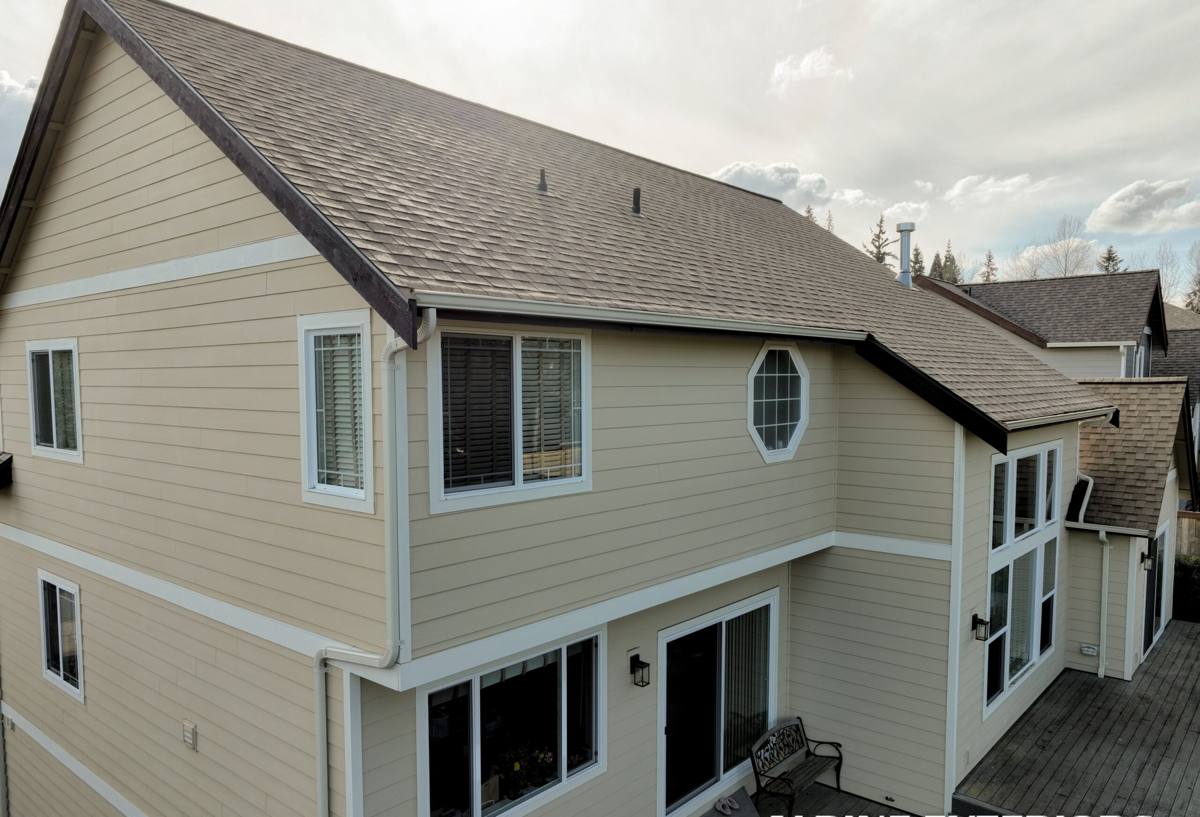
We use "custom" to mean windows sized, shaped, and specified for the actual opening and the actual house — not a generic stock size with shims and gap-filling trim to make it fit. That distinction matters more in Green Lake than in newer subdivisions, because a lot of the housing stock in this part of Seattle dates back to the early-to-mid 1900s, with openings that were framed before modern window sizing standards existed.
- Exact-measure openings instead of nearest-stock-size substitutions
- Custom shapes for arched, angled, or oversized openings common in older Craftsman and bungalow-style homes
- Matching sightlines and trim profiles across a whole elevation, not just the window being replaced
- Glazing and frame specs chosen for the wall's actual sun and rain exposure, not a one-size answer for the whole house
Full-Frame vs. Insert Replacement
There are two basic approaches, and the right one depends on the condition of what's already there, not homeowner preference alone.
Insert replacement fits a new window into the existing frame, which is faster and less disruptive to siding and interior trim. It works well when the old frame is still square, dry, and structurally sound. Full-frame replacement removes everything down to the rough opening, which costs more and takes longer, but it's the only correct option when there's rot, soft framing, or old flashing that's already failed. Given how much moisture Seattle's climate pushes into a wall over a few decades, we don't recommend inserting a new window into a frame we haven't actually opened up and checked.
Why the Installation Detail Matters More Than the Window Itself
A good window can still leak, fog, or rot the wall around it if it's installed wrong. In our experience, most window failures in this climate trace back to installation, not product quality. A few details that separate a correct job from a shortcut:
- Flashing sequence: water-resistive barrier, sill pan, and window flange have to be layered so water sheds outward at every step — reversing the order, even slightly, sends water into the wall cavity instead of away from it.
- Sill pans: a sloped, sealed sill pan under the window gives any water that does get past the frame somewhere to go besides your wall framing.
- Backer rod and sealant, not just caulk: gaps around the frame need proper backer rod before sealant is applied, so the joint flexes with temperature changes instead of cracking.
- Weep paths kept clear: drainage weep holes in the sill need to stay open — trim, paint, or sloppy caulking can seal them shut and trap water inside the frame.
None of this is visible once the trim goes back on, which is exactly why it's worth asking a contractor to walk you through their flashing sequence before work starts, not after.
Frame Materials: What Holds Up in This Climate
There's no single "best" frame material — each one trades off differently once you factor in Seattle's rain load, temperature swings, and the moss and mildew that come with sustained moisture. Here's how the common options compare for a Green Lake application:
| Material | Moisture Behavior | Maintenance | Typical Fit |
|---|---|---|---|
| Vinyl | Won't rot; can warp slightly under extreme heat/cold cycling | Low — occasional cleaning | Budget-conscious replacements, rear/side elevations |
| Fiberglass | Very stable in wet/dry cycling, minimal expansion | Low | Larger openings, lake-facing walls with more exposure |
| Wood-clad | Good if the cladding and flashing are done right; exterior wood is vulnerable if seals fail | Higher — sealant checks, interior wood finish care | Historic-style homes where interior wood trim matters |
| Aluminum | Durable but conducts cold, prone to condensation without a thermal break | Moderate | Modern or commercial-style openings, less common residential fit |
For most Green Lake homes we work on, fiberglass or a quality vinyl handles the driving rain and humidity swings with the least long-term maintenance. Wood-clad stays a strong choice for homes where matching original Craftsman-era trim detail matters more than minimizing upkeep — we just make sure the client understands the maintenance trade-off going in.
Glazing and Energy Performance
Seattle's climate doesn't demand extreme cold-weather glass packages the way a mountain or high-desert region would, but it does reward good low-E coatings and tight seals — mostly for comfort and condensation control rather than dramatic heating-bill swings.
What to Look For
- Dual or triple pane with an argon or krypton gas fill for insulating value
- Low-E coating tuned for our climate — it should reduce heat loss without making interiors feel dark under our already-limited winter daylight
- NFRC-rated U-factor low enough to resist interior condensation on cold, wet days — condensation on the glass is often the first visible sign a window's insulating value is falling short
- Proper warm-edge spacers between panes, which reduce the cold ring around the glass edge that drives fogging and mildew on interior sills
Signs Your Green Lake Home's Windows Need Attention
Because problems develop behind trim and siding, most homeowners notice symptoms long before they see the actual cause. Worth checking for:
- Fogging or moisture between panes — the seal has failed and the insulated glass unit needs replacing, not just cleaning
- Soft or spongy wood at the sill or lower frame corners
- Visible moss or dark streaking on the frame or trim below the window — a sign that water is sitting somewhere it shouldn't
- Paint bubbling or peeling on interior or exterior trim near the frame
- Drafts you can feel with a hand near the frame on a windy day
- Windows that are difficult to open, close, or lock — often a sign the frame has racked out of square
- Noticeably colder rooms or higher condensation on interior glass than other rooms in the house
Our Process for a Green Lake Window Project
1. On-Site Assessment
We look at each opening individually — exposure, existing frame condition, and whether the wall behind the trim shows signs of past moisture. This is also when we open up a section of frame if there's any doubt about hidden rot, rather than guessing from the outside.
2. Product and Spec Selection
We walk through frame material, glazing package, and grille/trim style options based on the house's style and the wall's actual exposure, not a blanket recommendation for the whole property.
3. Precise Measurement and Ordering
Because these are custom sized, we measure each opening individually rather than assuming uniform sizing across the house — common in older Green Lake homes where openings have settled or shifted slightly over the decades.
4. Removal and Prep
Old windows come out carefully to protect interior trim and siding. If we find rot or failed flashing, we address it before the new window goes in — never sealed over.
5. Flashing, Sill Pan, and Installation
New water-resistive barrier, sill pan, and flashing tape go in per manufacturer specification and best practice for our rainfall exposure, followed by the window itself, shimmed level and plumb.
6. Sealing, Trim, and Final Check
Backer rod and sealant, interior and exterior trim, and a final operational check on every window — open, close, lock, and a visual check of the sightlines against neighboring windows.
7. Cleanup and Walkthrough
We clear debris and old materials and walk the homeowner through what was done, including anything found during removal that's worth knowing about for future maintenance.
What Drives Cost
Window pricing varies a lot based on the specifics of the job, and anyone who quotes a flat per-window number without seeing the house is guessing. In general terms, these are the factors that move the price:
| Factor | Why It Matters |
|---|---|
| Frame material | Vinyl is typically the most affordable; fiberglass and wood-clad cost more upfront |
| Full-frame vs. insert | Full-frame replacement involves more labor, materials, and often exterior trim/siding repair |
| Opening size and shape | Custom shapes (arched, angled, oversized) cost more than standard rectangular openings |
| Access and height | Second-story or hard-to-reach openings require more setup and labor time |
| Hidden damage | Rot or failed flashing found during removal adds repair scope before the new window goes in |
| Glazing package | Triple-pane and upgraded low-E coatings add cost over standard dual-pane |
| Trim and paint matching | Matching existing Craftsman-era or custom trim profiles takes more finish carpentry time |
As a rough, broad range across the industry, homeowners in the Seattle area typically see full-service window replacement land somewhere between roughly $700 and $1,800 per window installed, depending on the factors above — with full-frame replacements, custom shapes, and premium materials pushing toward the higher end. We won't give a firm number without seeing the actual openings.
Why a Crew That Already Works Green Lake Matters
Window replacement in this neighborhood isn't the same job as it is in a newer, drier climate zone. A crew that regularly works Green Lake and the broader Seattle area already knows:
- How to flash and seal correctly for sustained wind-driven rain instead of occasional storms
- What moss and mildew do to frame and sill wood over years of shaded, damp exposure
- How to work with the framing quirks of early-to-mid-1900s construction common in this part of the city
- Seattle and King County permitting requirements for window replacement, including when a permit is and isn't required
- How to match trim and sightlines on a house where you're replacing some windows now and possibly the rest later
That local track record shows up in fewer surprises during the job and fewer callbacks after — a flashing detail that works in a dry climate simply doesn't hold up here, and a crew that hasn't worked wet marine climates regularly won't necessarily know the difference until water shows up inside a wall.
Maintaining Custom Windows After Installation
Even a correctly installed window needs some upkeep in this climate to get its full lifespan:
- Rinse frames and sills periodically to clear pollen, moss spores, and debris before they take hold
- Check exterior sealant annually, especially on lake-facing or shaded elevations, and re-seal joints that have cracked or pulled away
- Keep weep holes clear of paint, caulk, and debris so water can drain as designed
- Wipe interior sills after heavy condensation events, particularly in unheated or infrequently used rooms
- For wood-clad windows, inspect and refresh exterior finish on the manufacturer's recommended schedule — don't wait for visible failure
If your Green Lake home's windows are drafty, fogged, hard to operate, or you're planning a broader exterior update, we're happy to take a look and walk you through honest options for your specific house. Request a free, no-pressure estimate using the form below.