 Seattle Exterior
 Windows in Magnolia Take a Different Kind of Beating
Magnolia sits on a bluff with water on three sides, and that location shapes what your windows deal with every year. Salt-laden air off Puget Sound accelerates corrosion on hardware, screens, and unprotected metal trim. Wind-driven rain off the Sound doesn't just fall on glass — it gets pushed sideways into any gap in the flashing or sealant. And Seattle's long wet season means moss and algae get a foothold on north-facing sills and frames that stay damp for weeks at a time. None of this is dramatic, but it's constant, and it's why a window installation done for a dry-climate house doesn't hold up the same way here.
We install windows across King County, and Magnolia jobs get the same attention to flashing and water management as anywhere else on the water side of the city — because that's what the neighborhood actually requires, not because it's a sales pitch.
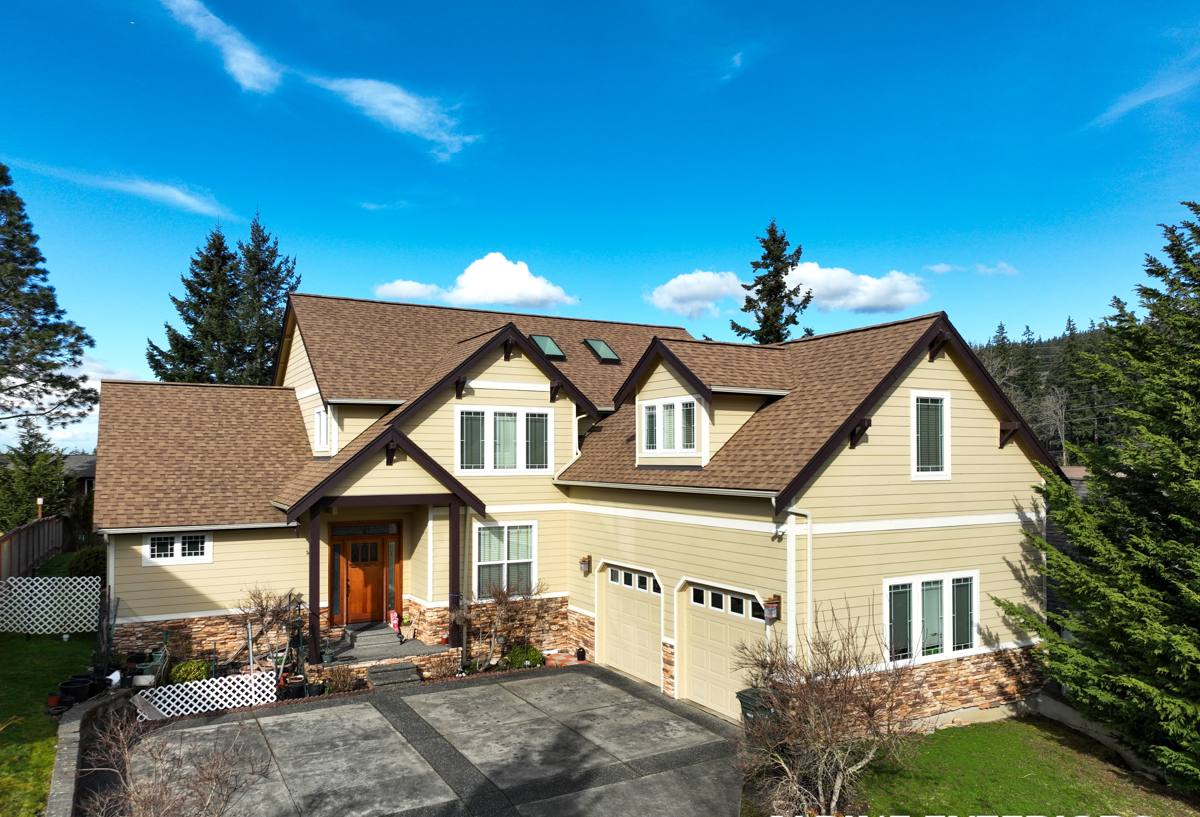
What Correct Window Installation Actually Involves
A window installation is judged by what you can't see once it's done. The glass and frame matter, but the flashing, sealant, and integration with your siding are what determine whether that window is still performing in ten years.
The Steps That Matter Most
- Removal without damage: Old windows come out cleanly, with the rough opening inspected for rot, soft framing, or prior water intrusion before anything new goes in.
- Rough opening prep: Any damaged sheathing or framing gets addressed now — covering it up guarantees a repeat problem later.
- Flashing, in the right order: Sill pan flashing goes in first, sloped to shed water outward. Side and head flashing overlap in shingle-fashion — each layer lapping over the one below it — so water is always directed out, never trapped behind the siding.
- Air sealing and insulation: The gap between the window frame and rough opening gets sealed and insulated properly, which affects both drafts and long-term moisture control.
- Weatherproof sealant: Exterior sealant beads are placed correctly, not just smeared on — sealant is a backup to good flashing, not a substitute for it.
- Final adjustment: Every window gets checked for square, level, and smooth operation before we call the job done.
Skip or rush any one of these steps and the window may look fine for a year or two while water works its way into the wall assembly unnoticed. That's the failure mode we're specifically installing against on a site exposed to Sound-driven weather.
Why Flashing Detail Matters More in Magnolia
Wind-driven rain finds the weak point in an installation, and on an exposed, elevated site that weak point gets tested more often than it would on a sheltered inland lot. A window that's caulked heavily but flashed poorly can look watertight and still let moisture behind the siding during a hard southwesterly storm. Once water gets behind the wall covering, it doesn't dry quickly in our climate — the same humidity and mild temperatures that support moss growth also slow down evaporation inside a wall cavity. That's how a small flashing shortcut becomes a rot repair a few years down the road.
This is also why we pay attention to sill pan flashing specifically. It's the piece most often skipped on lower-cost installs, and it's the piece that catches the water that gets past everything else.
Salt Air, Hardware, and Material Choices
Proximity to the water means faster corrosion on exposed metal — hinges, cranks, locks, and screen frames. It's not usually dramatic failure, just a gradual stiffening or pitting that shows up sooner than it would a few miles inland. A few practical steps make a real difference here:
- Choosing hardware and cladding finishes rated for coastal or near-coastal exposure rather than standard interior-grade hardware.
- Vinyl and fiberglass frames generally handle salt air better than bare or poorly coated aluminum, which corrodes faster in this environment.
- Wood windows can work well here but need a maintained exterior finish — salt air and moisture are unforgiving of a coating that's overdue for attention.
- Screens and tracks benefit from an occasional rinse to clear salt residue, especially on the sides of the house facing the water.
We'll talk through material trade-offs honestly during your estimate — there's no single "best" window for every house, but there are choices that hold up better than others given where your home sits.
Moss and Long-Term Sill Maintenance
Seattle's moss season isn't a minor cosmetic issue for window sills and trim — sustained dampness on horizontal or north-facing surfaces is exactly what moss and algae need to establish. Left alone, that growth holds moisture against the frame and finish, which shortens the life of paint, caulk, and in some cases the frame material itself. Good installation reduces this risk by making sure sills are properly sloped to shed water instead of holding it, and that trim details don't create flat spots where moisture and organic growth can sit. It doesn't eliminate the need for occasional cleaning, but it removes the design flaws that make the problem worse.
Signs Your Magnolia Home May Need New Windows
| What You Notice | What It Usually Means |
|---|---|
| Fogging or haze between panes | Failed seal on the insulated glass unit — the window's insulating gas has escaped |
| Drafts even when fully closed | Worn weatherstripping, warped frame, or gaps in original installation |
| Soft or discolored trim/sill wood | Water intrusion, often from failed flashing or aging sealant |
| Difficulty opening, closing, or locking | Frame settling, hardware wear, or corrosion from salt exposure |
| Visible moss or persistent algae on sills | Poor drainage slope or prolonged moisture retention |
| Noticeably noisier inside during storms | Aging glass or seals no longer providing the original sound dampening |
Cost Factors for Window Installation
There's no honest flat price for window installation — cost depends on several real variables, and we'd rather explain them than throw out a number that doesn't hold up once we see your house.
| Factor | How It Affects Cost |
|---|---|
| Number of windows | Per-unit cost typically drops somewhat on larger multi-window projects |
| Frame material | Vinyl, fiberglass, and wood windows carry different material costs and labor needs |
| Replacement vs. new construction | New construction (full frame, exposed sheathing) involves more flashing work than a replacement into an existing opening |
| Existing damage found | Rot or soft framing discovered during removal adds repair scope before the window goes back in |
| Window size and style | Larger, custom, or specialty shapes (bay, picture, casement) cost more than standard double-hung sizes |
| Access and site conditions | Upper-story or hard-to-access windows can add labor time |
We give straightforward, itemized estimates once we've actually looked at the openings — broad ranges without a site visit tend to be more misleading than helpful.
Our Process, Start to Finish
- Free on-site evaluation: We look at your existing windows, check for signs of water intrusion or frame damage, and talk through what you actually need versus what's optional.
- Straightforward estimate: Itemized pricing with material options explained, no pressure to upgrade beyond what makes sense for your home.
- Scheduled installation: We plan around Seattle's weather patterns where possible and protect your home's interior and landscaping during the work.
- Proper removal and inspection: Every rough opening gets checked before the new window goes in — this is where hidden problems get caught, not covered up.
- Installation to the standard described above: Correct flashing sequence, air sealing, and hardware appropriate for a near-coastal environment.
- Final walkthrough: We check operation, seals, and finish work with you before considering the job complete.
Why a Local Crew Matters for This Job
Window installation isn't uniform across King County. A crew that mostly works drier, more sheltered inland neighborhoods may not default to coastal-grade flashing details or salt-resistant hardware unless specifically asked. A crew that regularly works Magnolia and similar Sound-exposed areas builds those choices into the job automatically, because we've seen what happens when they're skipped. That familiarity — with the wind exposure, the moisture patterns, and the pace of moss growth on this side of the city — is part of what you're paying for when you hire local, not just labor.
Get a Straight Answer on Your Windows
If you're dealing with drafts, fogged glass, sticky hardware, or you're just planning ahead for a home on Magnolia's bluff, we're happy to take a look and give you an honest read on what your windows need. Reach out for a free, no-pressure estimate — we'll assess the actual condition of your openings and walk you through options without a sales pitch.