 Seattle Exterior
 Metal Roofing Built for Green Lake's Wet, Shaded Streets
Green Lake is one of the more heavily treed residential pockets in Seattle, and that's exactly what makes roofing here different from a wide-open, sun-exposed lot elsewhere in King County. Mature conifers and big-leaf maples shade large stretches of roof for most of the day, the lake itself keeps the air around it a little damper than the surrounding blocks, and the long gray stretch from fall through spring means a roof rarely gets a real chance to dry out. Asphalt shingles handle that combination poorly over time. Metal roofing handles it well, which is why we install more of it in this neighborhood every year.
This page is about one thing: metal roofing on Green Lake homes specifically, not a general rundown of metal roofing everywhere in Seattle. The climate factors, the housing stock, and the specific failure points we see on service calls in this area all shape how we approach the job here.
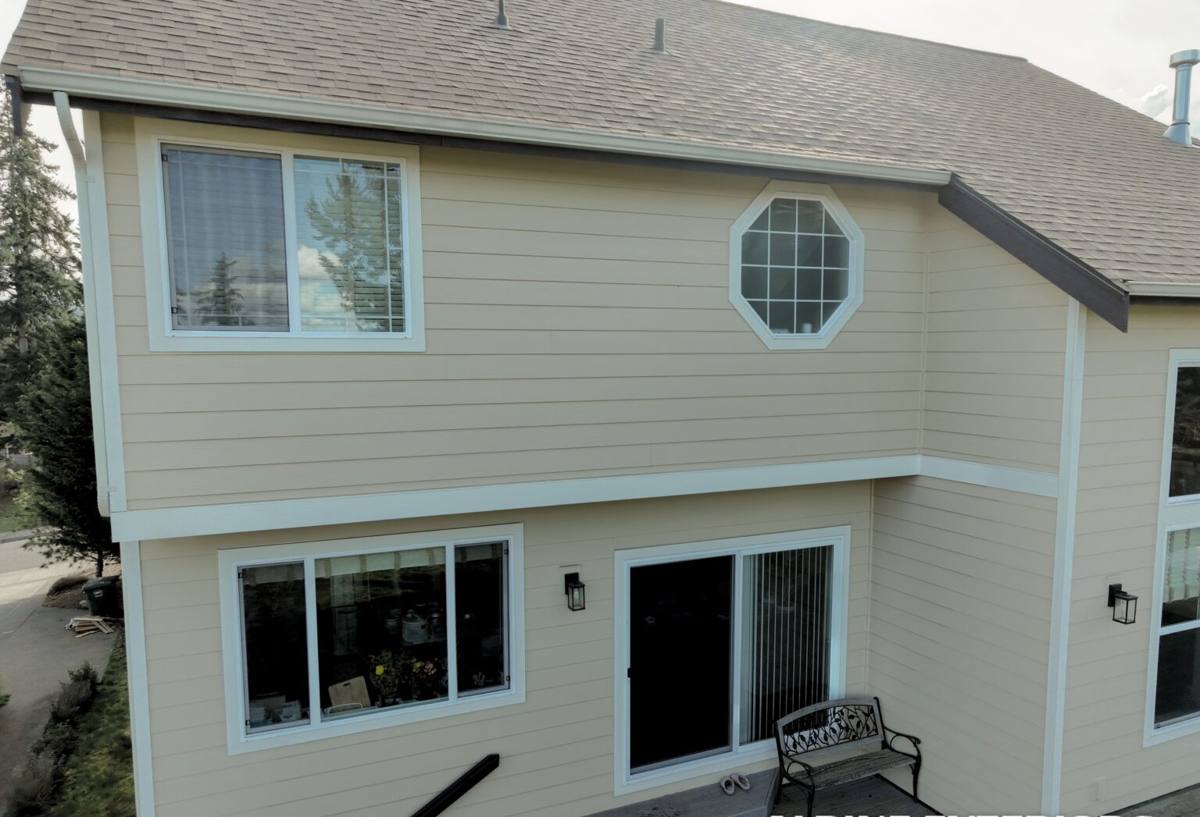
What Green Lake's Climate Does to a Roof Over Time
Seattle's broader marine climate — the salt-tinged air that moves in off Puget Sound, driving rain that comes in sideways during winter storms, and months of overcast, humid weather — puts steady stress on every roofing material in King County. Green Lake adds its own local wrinkle on top of that regional pattern.
- Shade from mature trees keeps roof surfaces cool and damp long after a storm passes, which is the exact condition moss, lichen, and moss-related algae need to take hold.
- Needle and leaf litter from the canopy around the lake collects in valleys and against low-slope transitions, holding moisture against the roofing material instead of letting it shed.
- Humidity off the lake keeps the air near the water a little wetter than blocks further from it, extending the window each day when roof surfaces stay damp.
- Long moss season — realistically fall through late spring in this neighborhood — means organic growth has months, not weeks, to establish itself if a roof isn't shedding water and drying out efficiently.
On asphalt shingles, that combination shows up as granule loss, moss rooting into the shingle mat, and soft, saturated decking underneath within a decade or two. On older homes in this neighborhood we've opened up, that pattern is consistent enough that it's a known quantity, not a surprise.
Why Metal Roofing Holds Up Where Other Materials Struggle
A correctly installed metal roof gives Green Lake homes a few specific advantages that matter for this exact climate, not just generic durability claims.
Faster drying, less moss
Metal sheds water quickly and doesn't hold moisture in a porous surface the way shingles do. Moss can still land on a metal roof — spores don't care what the surface is made of — but without a rough, absorbent mat to root into, it has a much harder time establishing and spreading. Roofs under heavy shade still need periodic cleaning, but the underlying material isn't feeding the problem the way an asphalt mat does.
Better performance in driving rain
Standing seam systems in particular use raised, mechanically locked seams rather than overlapping tabs, which gives them a real edge when wind-driven rain is pushing water sideways and uphill under normal shingle laps. That's a common winter condition in this part of King County.
Longevity that matches the maintenance reality
Most well-installed metal roofing systems are built for 40 to 60+ years of service life, well beyond the 20–25 years typical of asphalt shingles in this climate. For a neighborhood where tree cover means roofs need more frequent moss treatment and gutter attention regardless of material, starting with a roof that isn't also degrading from moisture absorption is a meaningful head start.
Weight and structure
Metal roofing is light relative to its strength, which is a genuine benefit on older Green Lake homes — many built in the early-to-mid 20th century — where original framing wasn't always sized for heavier modern roofing layers.
Choosing the Right Metal Roofing System
Not every metal roofing product is the same job. The right choice depends on roof pitch, budget, and how visible the roof is from the street — a real consideration on a lot of Green Lake's closely spaced bungalow and craftsman-style blocks.
| System | How it's fastened | Best fit | General cost range* |
|---|---|---|---|
| Standing seam | Concealed clips, no exposed fasteners | Main roofs, visible street-facing slopes, long-term low-maintenance goals | Highest of the three |
| Metal shingles / panels | Interlocking panels, some exposed fasteners | Homes wanting a traditional shingle or shake look with metal durability | Mid-range |
| Exposed-fastener corrugated/ribbed panel | Screws driven through the panel face | Shops, additions, lower-slope secondary roofs, tighter budgets | Lowest of the three, more maintenance over time |
*Exact pricing depends on roof size, pitch, tear-off scope, and detailing — we'll walk your roof and give you real numbers rather than a generic per-square estimate.
We steer most Green Lake homeowners toward standing seam or a quality metal shingle system for main roofs. Exposed-fastener panel has its place, but the fasteners are a maintenance point — gaskets age and need occasional attention — and on a shaded, wet roof that's one more thing that needs checking. We'll tell you honestly which option fits your roof and your budget rather than upselling the most expensive system by default.
What a Correct Metal Roof Installation Actually Involves
Metal roofing fails early almost exclusively because of installation shortcuts, not because the material itself is weak. On a shaded, moisture-heavy roof like the ones common around Green Lake, the details matter even more than usual.
- Full tear-off in most cases. Metal panels installed over failing shingles trap moisture and telegraph unevenness through the finished surface.
- Synthetic underlayment, with ice-and-water shield at eaves, valleys, and any low-slope transitions — the exact spots where standing water and debris collect longest under tree cover.
- Proper flashing at every penetration — chimneys, vents, skylights — matched to the metal system rather than generic flashing that reacts poorly against certain metals.
- Correct fastener spacing and, for standing seam, the right clip spacing to allow the panels to expand and contract with temperature swings without buckling or loosening seams.
- Ventilation that actually works — intake and exhaust balanced so the attic isn't trapping the same humidity the roof surface is dealing with from outside.
- Valley and drip-edge detailing sized for real rain volume, not just code minimums, given how much water this neighborhood's roofs shed in a heavy winter storm.
Any one of these done wrong doesn't necessarily show up as a leak in year one. It shows up in year six or eight, usually after the warranty conversation has already happened, which is why we treat every one of these steps as non-negotiable rather than optional upgrades.
Our Process, Start to Finish
- On-site assessment. We walk the roof, check the decking condition, look at tree overhang and drainage paths, and identify any existing moss or moisture damage before quoting anything.
- Honest system recommendation. Based on your roof's pitch, visibility, and budget, we recommend a specific metal system — not a one-size-fits-all pitch.
- Tear-off and deck inspection. Old roofing comes off, and we inspect the decking underneath for rot or soft spots before anything new goes down.
- Underlayment and flashing installed to spec, with extra attention to valleys and low-slope areas where this neighborhood's roofs collect the most standing water and debris.
- Panel installation with correct fastening or clip spacing for the specific system chosen.
- Final walkthrough and cleanup, including a magnetic sweep for stray fasteners and full site cleanup before we consider the job done.
Living With a Metal Roof in a Moss-Prone Neighborhood
A metal roof is lower maintenance than asphalt, not maintenance-free, especially under the kind of tree canopy common around Green Lake. A short annual routine keeps it performing the way it's supposed to for decades.
- Clear needles, leaves, and small branches from valleys and gutters, ideally each fall once the leaf drop settles.
- Rinse visible moss or algae growth with plain water and a soft approach — avoid pressure washing directly into seams or under panel edges.
- Check that gutters and downspouts are draining freely; standing water backed up against roof edges is where problems start.
- Have overhanging branches trimmed back periodically to reduce shade and debris load on the roof surface.
- Walk the roofline from the ground after major storms and note any visibly lifted or damaged panels for a professional look.
- Schedule a professional inspection every few years, even with no visible problems, to check fastener condition and flashing seals.
Why Local Experience in Green Lake Matters
A lot of the housing stock immediately around Green Lake is older — bungalows, craftsman homes, and mid-century construction with roof pitches, framing, and eave details that don't always match what you'd see in a newer King County subdivision. Knowing what's typically under the surface on a home of that era, and how the tree cover on a given block affects moisture and drainage, changes how we plan the tear-off, the flashing details, and the ventilation work before we ever get on the roof.
City of Seattle permitting and inspection requirements also apply to roofing work in this area, and a crew that already knows that process doesn't add delay to your project figuring it out. We handle that coordination as part of the job rather than leaving it for the homeowner to sort out.
Get a Free, No-Pressure Estimate
If you're weighing a metal roof for a home near Green Lake — whether you're dealing with moss that keeps coming back, a shingle roof that's reaching the end of its life under all that shade, or you just want to stop re-treating the same problem every year — we're glad to take a look. The estimate is free, there's no pressure, and you'll get a straight answer about what your roof actually needs. Use the form below to get started.