 Seattle Exterior
 Roof Repair Built for Rainier Valley Homes
Rainier Valley's mix of older bungalows, mid-century ramblers, and newer infill construction all face the same enemy every winter: months of steady Pacific Northwest rain broken up by damp, mossy stretches where a roof rarely gets a chance to fully dry out. That combination is hard on roofing in ways that don't show up overnight. A small flashing gap or a patch of moss left unchecked in October can turn into a stained ceiling by February. We repair roofs across Rainier Valley and know what King County's climate does to shingles, flashing, and decking over time — which means we're diagnosing the actual problem, not guessing.
This page covers roof repair specifically — not full replacement. If your roof is sound overall but has a leak, storm damage, or aging trouble spots, repair is almost always the right first move, and it's a lot less disruptive and less expensive than a tear-off.
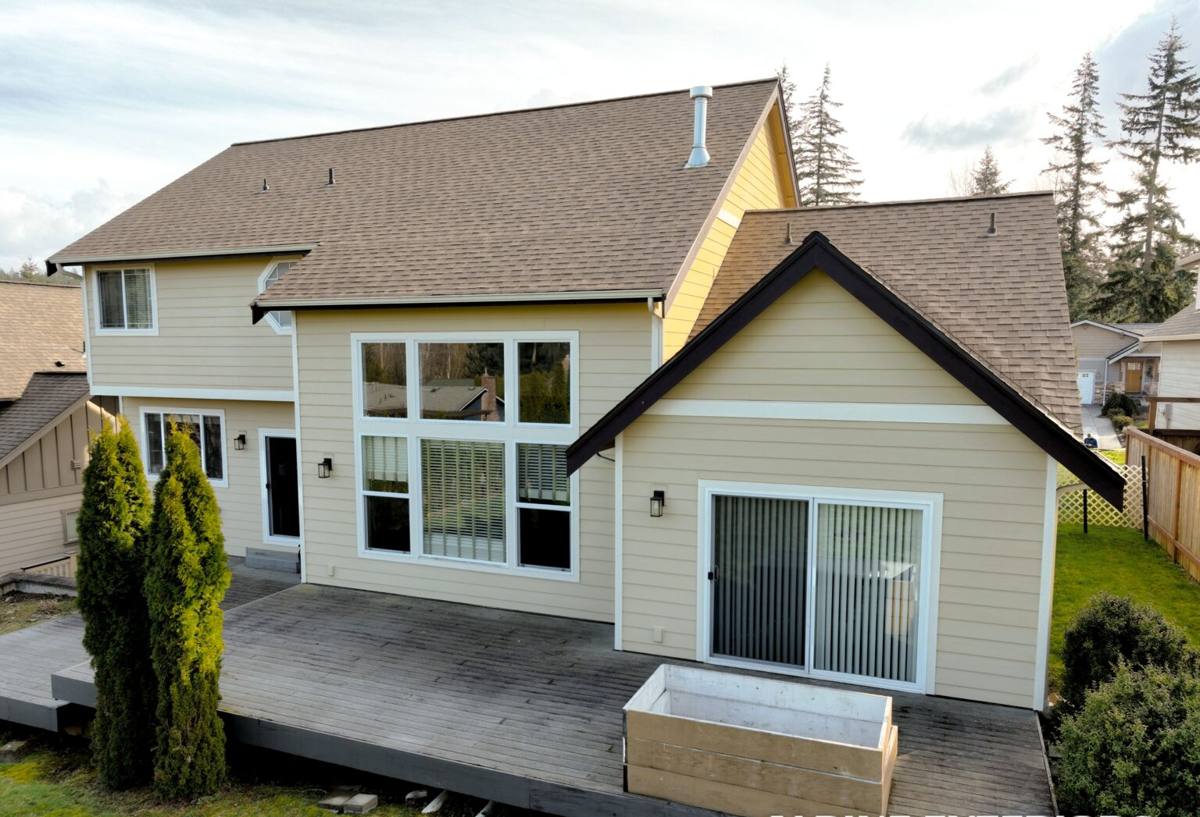
What Seattle's Climate Does to a Rainier Valley Roof
Western Washington doesn't get hail or heavy snow loads very often, so a lot of homeowners assume their roof has an easy job. In reality, the region's specific weather pattern — long stretches of driving rain, humid air off the Sound, and a moss season that can run from fall through spring — creates its own set of chronic problems.
Moss and Organic Growth
Moss thrives in the shade and moisture that mature trees and marine-influenced humidity provide throughout the Seattle area. It's not just cosmetic. Moss holds water against the roofing material, works its way under shingle tabs and edges, and lifts them over time. On older roofs it can also hold moisture against wood decking long enough to start rot underneath, which you won't see until the damage is already significant.
Wind-Driven and Salt-Influenced Rain
Because Rainier Valley sits within the broader Puget Sound weather system, homes here take on rain that doesn't just fall straight down — it gets pushed sideways under eaves, into vents, and against vertical flashing during storms. Add in the mild salt-air influence common to the Sound region, and metal flashing, fasteners, and vent boots corrode faster than they would in a drier inland climate. Corroded or loosened flashing is one of the most common leak sources we find on repair calls.
Freeze-Thaw Cycling
Seattle doesn't get deep freezes often, but it gets enough near-freezing nights combined with wet roofing material to cause repeated freeze-thaw expansion at cracks and worn spots. That's usually what turns a small crack into a real leak path over one or two winters.
Signs a Rainier Valley Roof Needs Repair, Not Replacement
Most roofs don't fail all at once — they develop specific, fixable trouble spots. Here's what we typically find and address on repair visits in the area:
- Ceiling stains or damp spots that appear or worsen during heavy rain
- Visible moss buildup along ridge lines, valleys, or the north-facing slope
- Curling, cracked, or missing shingles in isolated areas rather than across the whole roof
- Rusted, loose, or lifted flashing around chimneys, skylights, and vent pipes
- Granule buildup in gutters, signaling accelerated shingle wear
- Soft or spongy decking felt underfoot in the attic near a suspected leak point
- Daylight visible through roof boards in the attic
- Ice-dam-style staining near eaves after a cold snap
If most of the roof is structurally sound and the issues are concentrated in a handful of spots, repair is the practical call. We'll always tell you honestly if what we're seeing points toward a bigger problem instead.
How We Diagnose the Actual Leak
The hardest part of roof repair isn't the fix — it's finding where water is actually getting in, since it often travels along rafters or sheathing before it shows up as a stain somewhere else in the house. Our process on a Rainier Valley repair call typically looks like this:
- Interior check first. We look at attic framing and any visible stains to understand where water is traveling, not just where it's showing up.
- Full roof walk. We inspect the whole roof, not just the reported problem area — a second issue is common, especially on older roofs.
- Flashing and penetration inspection. Chimneys, skylights, vent boots, and valleys are where the majority of leaks in this climate originate.
- Moss and debris assessment. We check how much organic growth is present and whether it's already caused granule loss or decking moisture.
- Written explanation before any work starts. You get a plain-English rundown of what we found, what we recommend, and why — no pressure to upsell into a full replacement if repair will genuinely hold.
What a Correct Roof Repair Actually Involves
A durable repair isn't just patching the spot where water is currently visible. Done right, it addresses the root cause so the same leak doesn't reappear a season later.
Flashing Repair or Replacement
We re-seat, re-seal, or replace corroded and lifted flashing at chimneys, walls, skylights, and vent penetrations using materials matched to your existing roof system. This is the single most common repair we perform, because flashing takes the brunt of wind-driven rain.
Shingle and Underlayment Repair
Damaged shingles are removed and replaced with matching material where possible, with attention to proper overlap and nailing pattern — a shortcut here is exactly what causes repeat leaks. If underlayment beneath the shingles has failed, we replace it in that section rather than just covering over it.
Decking Repair
If moisture has reached the wood decking, patching the shingles alone won't solve the problem — the soft or rotted decking underneath has to be cut out and replaced first. We'll always show you this before closing the roof back up.
Moss Treatment and Prevention
Existing moss is removed using methods that don't damage the shingle surface, and we can apply treatment to slow regrowth. We'll also flag any trees or shade patterns contributing to the problem so you understand the long-term picture, not just the one-time fix.
Gutter and Drainage Correction
Clogged or misaligned gutters push water back under the roof edge. When drainage is part of the leak's cause, we address it as part of the repair rather than leaving it to fail again.
Repair Approach by Roofing Material
| Roof Type | Common Rainier Valley Issue | Typical Repair Approach |
|---|---|---|
| Asphalt composition shingle | Moss lift, granule loss, cracked tabs | Spot shingle replacement, flashing reseal, moss treatment |
| Wood shake/shingle (older homes) | Moisture retention, splitting, moss | Selective shake replacement, ventilation check, moss removal |
| Metal roofing | Fastener corrosion, seam separation | Fastener replacement, seam resealing, panel-specific patching |
| Flat or low-slope sections | Ponding, membrane seam failure | Membrane patch or seam repair, drainage correction |
What Affects the Cost of a Roof Repair
Every repair is different, and we won't quote a number without seeing the roof, but these are the factors that typically drive the price up or down:
- Extent of damage: a single flashing repair costs far less than replacing a section of decking
- Roof pitch and access: steep or hard-to-reach sections take more time and equipment
- Material match: matching older or discontinued shingle colors and profiles can affect sourcing time
- Number of penetrations: more chimneys, skylights, and vents mean more potential leak points to inspect and seal
- Underlying decking condition: hidden rot found once shingles are pulled back adds scope
Most straightforward flashing or shingle repairs are a modest, well-defined cost. Repairs involving decking replacement or multiple problem areas cost more but still land well below a full roof replacement in the large majority of cases.
Why Local Experience in Rainier Valley Matters
Roofing crews who mainly work outside the Seattle area sometimes miss things that are obvious to anyone who repairs roofs here regularly — how fast moss returns without follow-up treatment, which flashing details tend to fail first under our wind-driven rain patterns, or how attic ventilation choices from decades of different building codes affect moisture buildup in older King County housing stock. Working Rainier Valley and the surrounding Seattle neighborhoods regularly means we're not learning the area's roofing quirks on your job — we already know them.
We also know that a leaking roof isn't a problem homeowners want to sit with. When you call, we aim to get someone out promptly to assess the damage, especially during active leaks, so the situation doesn't get worse while you wait.
Our Repair Process, Start to Finish
- Initial contact and scheduling — tell us what you're seeing (stains, missing shingles, visible moss) and we'll schedule an inspection.
- On-site inspection — full roof and attic assessment, with photos and a clear explanation of findings.
- Written estimate — itemized, with the reasoning behind each recommended repair so you know exactly what you're paying for.
- Scheduled repair work — completed by a crew that treats your property carefully, with daily cleanup.
- Final walkthrough — we show you the completed repair and explain any maintenance steps, like moss treatment timing, that will help it last.
If you're dealing with a leak, storm damage, or a roof that's showing its age in Rainier Valley, we're glad to take a look. Request a free, no-pressure estimate using the form below and we'll walk you through exactly what your roof needs — nothing more, nothing less.