 Seattle Exterior
 Board & Batten Siding for Redmond Homes
Board and batten has become one of the most requested siding profiles in Redmond over the past several years, and it's easy to see why. The vertical lines read as modern on a new-construction Eastside home and as timeless on a craftsman remodel near downtown Redmond or out toward Education Hill. But the look is only half the story. In a climate that delivers months of steady rain, heavy tree canopy, and a long moss season, the way board and batten siding is built and installed matters just as much as how it looks on day one.
We install board and batten siding throughout Redmond and the greater King County area, and we do it in one material: James Hardie fiber cement. This page covers what local homes actually need from a board and batten system, what correct installation looks like, and how our process works from first estimate to final walk-through.
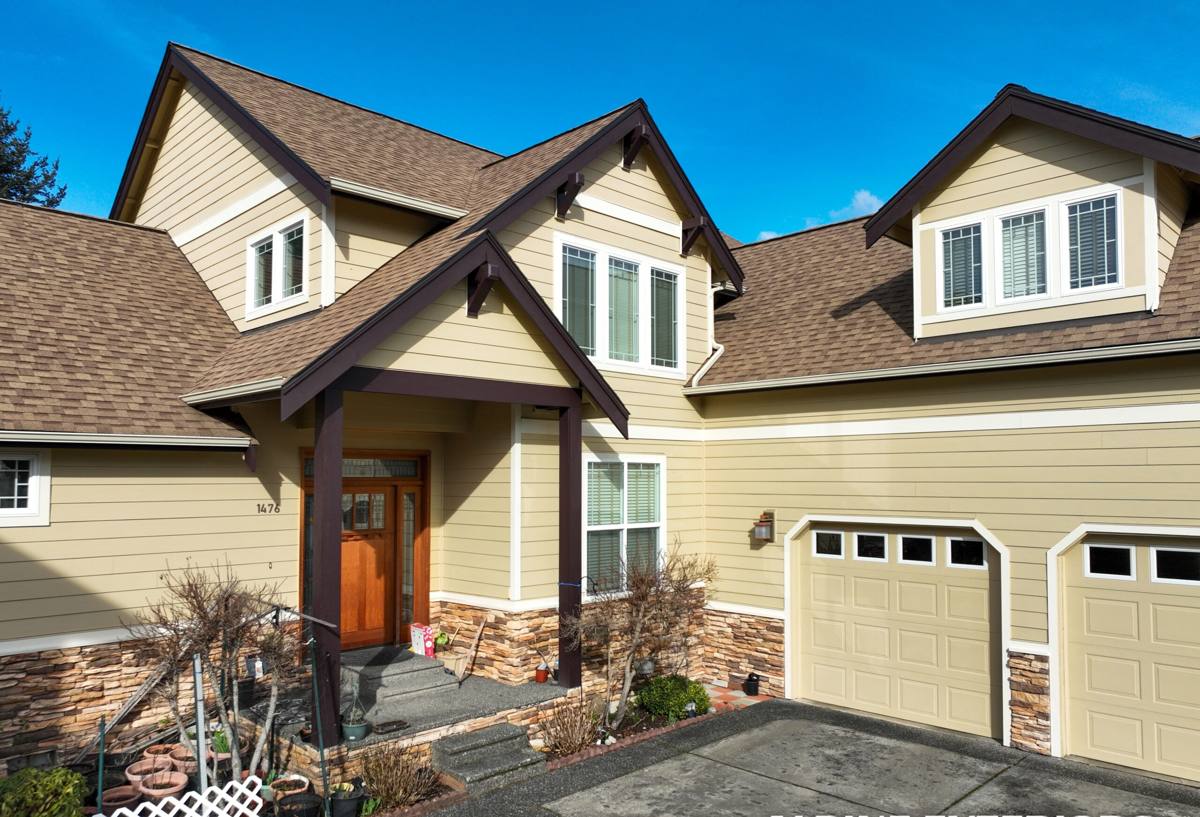
What Redmond's Climate Does to Board & Batten Siding
Redmond sits in the Puget Sound marine climate zone — mild temperatures, but a lot of moisture spread across a lot of months. That combination is tougher on exterior siding than a shorter, more intense wet season would be, because the wood-destroying and moisture-related problems in this region are driven by duration, not intensity.
The specific stresses board and batten faces here
- Driving rain against vertical seams. Board and batten has more vertical joints per square foot than horizontal lap siding. Every one of those seams is a potential path for wind-driven rain if it isn't detailed correctly.
- Long moss and algae season. Shaded lots, mature trees, and persistent damp conditions common around Redmond's residential neighborhoods create ideal conditions for moss and algae growth on north-facing and tree-shaded walls, especially where a batten creates a small ledge for organic debris to collect.
- Regional marine air moisture. Even away from the immediate waterfront, the broader Puget Sound region's damp, salt-influenced air accelerates the failure of fasteners, caulk joints, and finishes that aren't rated for it.
- Freeze-thaw cycling in shoulder seasons. Redmond doesn't get extreme cold, but repeated freeze-thaw swings in fall and early spring stress any siding material that absorbs and holds moisture.
None of these are exotic problems — they're the same conditions every siding contractor in this region deals with. But board and batten specifically raises the stakes on installation quality, because a vertical seam that's flashed or caulked incorrectly gives water a much more direct route behind the siding than a horizontal lap does.
Why We Only Install James Hardie for Board & Batten
Board and batten is available in several materials, and every one of them will look good in a photo. The difference shows up five, ten, and twenty years later, which is why we standardized on James Hardie fiber cement and don't install vinyl, LP SmartSide, primed spruce, cedar, or other fiber cement brands.
What matters in a Redmond climate specifically
- Moisture behavior. Fiber cement doesn't swell, cup, or rot the way engineered wood or solid wood battens can when they take on moisture over a long wet season.
- Dimensional stability. Redmond's temperature swings are modest, but humidity swings are not. A material that moves with every damp week will eventually open up its joints and caulk lines.
- Factory finish. James Hardie's ColorPlus finish is baked on at the factory and backed by its own finish warranty, which matters most on a material that's going to sit under tree cover and collect moss-friendly grime for years at a stretch.
- Non-combustible core. Fiber cement doesn't burn, which is a meaningful advantage as wildfire smoke seasons and regional fire risk awareness have both grown in the Pacific Northwest.
We're not going to tell you every other product is unusable — vinyl board and batten and engineered wood board and batten both have a place in the market, and each has real strengths. What we will tell you honestly is why we, as a company, refuse to install them: vinyl board and batten relies heavily on caulked or overlapped vertical joints that need ongoing maintenance to stay watertight, and it can warp when exposed to prolonged damp-and-dry cycling near dark colors. Engineered wood products carry warranty language tied strictly to installation and caulking schedules that most homeowners never realize they're responsible for maintaining. In a climate where the wet season runs the better part of the year, we'd rather stand behind one material we trust completely than offer three we'd have reservations about.
What a Correct Board & Batten Installation Involves
Board and batten looks simple — vertical boards, battens over the seams — but the assembly behind the finish surface is where the job is actually won or lost.
The details that matter
- Rainscreen gap. A drainage gap behind the siding lets any water that gets past the surface drain and dry out instead of sitting against the wall assembly — critical in a climate where walls rarely get a long dry stretch to recover.
- Weather-resistive barrier and flashing at every penetration. Windows, doors, hose bibs, and light fixtures all need proper flashing integration before the first board goes up, not caulk applied after the fact.
- Correct batten spacing and fastening. James Hardie publishes specific fastener patterns, batten widths, and spacing tolerances for its board and batten systems. Deviating from spec — even in small ways — is one of the most common causes of early callback issues.
- Proper clearance at grade and hard surfaces. Siding installed too close to soil, decking, or patios wicks up moisture regardless of material. Redmond's landscaped lots and irrigation systems make this an easy detail to overlook.
- Caulking limited to where it belongs. A correctly installed board and batten system uses caulk at trim and penetrations, not as the primary defense at every vertical seam.
This is also where hiring matters more than most homeowners expect. James Hardie's own installation instructions are detailed and specific, and a crew that treats them as a checklist rather than a formality is the difference between siding that performs for decades and siding that needs attention in five years.
Our Process for Redmond Board & Batten Projects
| Step | What Happens |
|---|---|
| 1. On-site assessment | We walk the exterior, check existing sheathing and moisture conditions, and note tree cover, drainage, and sun exposure by wall. |
| 2. Written estimate | A clear scope covering tear-off (if applicable), house wrap or rainscreen, trim, batten spacing, and the specific James Hardie product line. |
| 3. Product and color selection | We help match a ColorPlus finish and batten width to the home's style and to what holds up well under Redmond's tree cover and light conditions. |
| 4. Prep and moisture barrier | Old siding removal (if needed), sheathing inspection, weather-resistive barrier, and rainscreen installation. |
| 5. Installation to manufacturer spec | Boards and battens installed per James Hardie's fastening and clearance requirements, with flashing at every penetration. |
| 6. Final walk-through | We review the finished work with you and go over basic care before wrapping up. |
Board & Batten Material Comparison
| Material | Moisture Behavior | Finish Durability | Fire Rating | Our View |
|---|---|---|---|---|
| James Hardie fiber cement | Does not swell or rot; engineered for wet climates | Factory ColorPlus finish, long warranty | Non-combustible | What we install |
| Vinyl board & batten | Won't rot, but seams and battens can trap moisture behind panels | Field-limited color options, can fade or warp | Combustible | Not installed by us |
| Engineered wood (e.g. LP SmartSide) | Vulnerable to swelling/rot if caulk maintenance lapses | Factory primed, needs field paint upkeep | Combustible | Not installed by us |
| Solid wood / cedar | Absorbs moisture readily; needs consistent sealing | Highest maintenance of the group | Combustible | Not installed by us |
What Board & Batten Costs to Consider in Redmond
Every board and batten project is priced around the same handful of variables. Exact numbers depend on your home, but here's what drives the range:
| Factor | Why It Matters |
|---|---|
| Existing siding removal | Tear-off, disposal, and sheathing repair add labor beyond a straightforward re-side. |
| Wall square footage and complexity | Gables, dormers, and multiple stories increase both material and labor time. |
| Batten width and spacing chosen | Narrower batten spacing means more material and more fastening labor per square foot. |
| Trim and window/door detailing | More openings mean more flashing and trim work, which is where installation quality shows up most. |
| Moisture or rot repair uncovered during tear-off | Common on older Redmond homes; addressing hidden sheathing damage before re-siding is not optional. |
Checklist: What to Confirm Before Hiring for Board & Batten in Redmond
- Is the crew installing to James Hardie's published fastening and spacing specifications, not a generic approach?
- Does the estimate include a rainscreen or drainage gap, or just siding over the existing wall assembly?
- Are all window, door, and fixture penetrations flashed as part of the scope — not "sealed with caulk" as a substitute?
- Is the contractor a James Hardie-experienced installer familiar with their specific board and batten product line?
- Does the written estimate specify batten width and spacing, or leave it vague?
- Is there a clear plan for grade clearance and drainage around the foundation line?
Why a Crew That Already Works in Redmond Matters
Redmond's mix of established neighborhoods, newer development, and heavily treed lots means every job comes with its own microclimate — shaded north walls that stay damp longer, open south exposures that take the brunt of storms, and everything in between. A crew that already works this area understands that a house two streets apart can need meaningfully different attention to drainage and moss-prone zones. That local pattern recognition, combined with disciplined adherence to James Hardie's installation requirements, is what keeps board and batten siding performing the way it's supposed to for the long haul — not just for the first dry summer.
If you're considering board and batten siding for a Redmond home, we're happy to walk the property, talk through what your specific exposure and lot conditions call for, and put together a straightforward, no-pressure estimate. Use the form below to get started.