 Seattle Exterior
 Roof Repair Built for Ravenna's Wet, Wooded Streets
Ravenna sits inland from Puget Sound, but that doesn't mean it's spared the same weather that hammers the rest of Seattle. Marine air moves through the whole region regardless of how far a neighborhood sits from open water, and King County's long, wet fall-through-spring stretch means roofs here spend more months damp than dry. Add in the mature tree canopy that gives many Ravenna blocks their character — big leaf maples, native evergreens, overhanging limbs — and you've got a roofing environment that punishes anything less than a correctly done repair.
Needles, leaves, and seed pods collect in valleys and behind chimneys. That organic debris holds moisture against the roofing material long after a storm passes, which is exactly the condition moss and algae need to take hold. Combine that with driving rain that comes in at an angle off the Sound and you get water finding its way under flashing, through aging pipe boots, and into nail penetrations that a dry-climate roof would never have to worry about. A repair that doesn't account for all of that isn't really a repair — it's a delay.
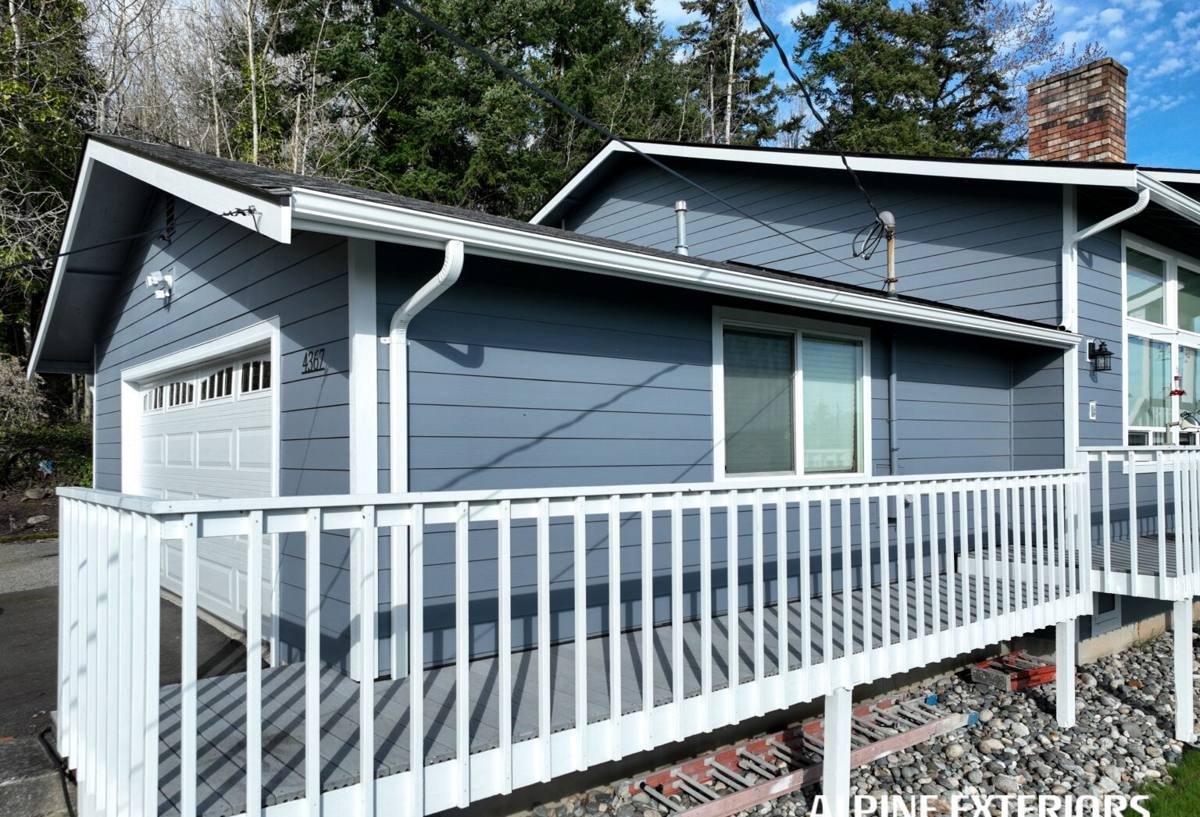
Common Roof Problems We See on Ravenna Homes
Moss and Organic Growth
Shaded roof sections — especially north-facing slopes and areas under tree cover — stay damp for days after rain. Moss roots work into shingle mat and granule layers, lifting edges and creating channels for water to travel sideways under the roofing material instead of running off. Left alone through a full moss season, this turns a simple cleaning job into a repair job.
Flashing and Penetration Leaks
Chimneys, skylights, vent stacks, and roof-to-wall transitions are where most leaks actually start — not in the open field of shingles. Older homes in this part of Seattle often have flashing that's been through decades of freeze-thaw cycles and wind-driven rain, and sealant-only fixes from a previous owner or a quick patch job tend to fail again within a season or two.
Wind and Storm Damage
Winter windstorms can lift shingle tabs, crack ridge caps, or drop limbs onto a roof surface. The damage isn't always obvious from the ground — a few missing tabs or a cracked ridge cap can look minor but leave the underlayment exposed to every rain event until it's fixed.
Gutter and Drainage Backups
Clogged gutters don't just overflow onto siding — they back water up under the roof edge, which is one of the most common causes of interior water stains near exterior walls that homeowners assume is a roof leak from higher up.
What a Correct Roof Repair Actually Involves
A roof repair done right isn't just sealing the spot where water is showing up inside the house. Water travels — it can enter several feet away from where a stain appears on a ceiling. A correct repair means:
- Tracing the leak to its actual entry point, not just the visible symptom
- Removing and replacing damaged underlayment, not just the top shingle layer
- Re-flashing penetrations properly rather than relying on caulk or roofing cement alone
- Matching replacement material as closely as possible to the existing roof so the repair doesn't stand out or age differently
- Checking adjacent areas — valleys, nearby vents, gutter lines — for related wear that could cause the next leak
Roofing cement and sealant have their place, but they're a short-term measure, not a repair strategy. When a roof is patched over and over with sealant instead of addressing the underlying flashing or underlayment issue, the homeowner ends up paying for the same leak multiple times.
Our Repair Process
We keep the process straightforward because roof repair shouldn't feel like a mystery to the homeowner paying for it.
1. Inspection and Diagnosis
We get on the roof, not just the ladder at the eave. That means checking flashing, valleys, penetrations, ridge lines, and the underside of the decking where accessible, so the estimate reflects what's actually happening rather than a guess based on the stain on your ceiling.
2. Honest Scope and Estimate
We tell you what needs to be repaired now, what's borderline and worth watching, and what can wait. If a repair is going to be a band-aid on a roof that's genuinely near the end of its service life, we'll say so rather than sell a patch we know won't hold.
3. The Repair Itself
Work is done with material matched to your existing roof where possible, proper flashing techniques at every penetration and transition, and underlayment replaced anywhere it's compromised — not just shingles swapped on top of a wet deck.
4. Cleanup and Walkthrough
We clear debris from the work area and gutters near the repair, and walk you through what was done and why, so you know exactly what you paid for.
Moss and Debris: Maintenance Between Repairs
Repair and maintenance aren't the same thing, but they're connected. A roof that's had moss properly removed and treated — rather than just power-washed, which can strip granules and shorten shingle life — holds up far longer between repair visits. Ravenna's tree cover means gutters and valleys need more frequent attention than a roof out in the open. Keeping debris cleared reduces the moisture load that drives moss growth and slows the freeze-thaw and rot cycle that eventually turns a maintenance issue into a repair call.
Repair or Replace? How We Help You Decide
Not every roof problem calls for a full replacement, and not every roof is a good candidate for another round of patching. We look at the roof's age, how much of the surface is affected, and how the existing material has held up so far.
| Factor | Leans Toward Repair | Leans Toward Replacement |
|---|---|---|
| Roof age | Well within expected service life | At or past the end of its expected lifespan |
| Extent of damage | Localized — one leak, one section | Multiple areas, spread across the roof |
| Shingle condition | Granules intact, mat still flexible | Widespread granule loss, brittle or curling shingles |
| Decking condition | Solid, no soft spots | Soft, spongy, or visibly rotted decking |
| Repair history | First or second repair on this roof | Repeated patches in the same area over the years |
When a roof falls clearly on the repair side of that table, we repair it — there's no upside for anyone in pushing a replacement a roof doesn't need yet.
Materials We Work With
Most Ravenna homes we work on have composition (asphalt) shingle roofs, with some cedar shake and a smaller number of metal or flat/low-slope sections over additions and porches. Each material behaves differently in this climate, which affects how a repair should be approached.
Composition Shingle
The most common roofing material in the area. Repairs are generally the most straightforward to match, provided we can source a reasonably close color and profile to the existing shingle, especially on roofs that have faded or weathered since installation.
Cedar Shake
Common on older homes in established Seattle neighborhoods. Cedar needs more attention to ventilation and moisture management than composition roofing — a repair on a shake roof isn't just swapping shakes, it's making sure the surrounding wood can dry out properly, which matters even more given how much of the year Ravenna spends under damp conditions.
Metal and Low-Slope Sections
Often found over additions, porches, or dormers. These require different fastening and sealing approaches than pitched shingle roofs, and improper repairs here are a common source of leaks that show up somewhere else entirely inside the home.
Why Hiring a Crew That Already Works in Ravenna Matters
A roof repair company that regularly works this part of Seattle already knows what to expect before they climb the ladder — how tree cover affects moss patterns on north-facing slopes, how older homes in this area tend to be flashed, and how driving rain off the Sound finds the weak points in a roof system. That familiarity means less time spent diagnosing and more time spent fixing the actual problem. It also means a crew that understands what a reasonable, honest repair looks like for this climate, rather than applying assumptions from a drier region where roofs don't have to deal with months of standing moisture and moss pressure.
Signs Your Ravenna Home Needs a Roof Repair Now
- Visible moss growth, especially thick moss along shaded or north-facing slopes
- Granules collecting in gutters or at downspout outlets
- Water stains on ceilings or upper interior walls, especially after heavy rain
- Missing, cracked, or curling shingles visible from the ground
- Daylight visible through the roof deck from inside the attic
- Sagging or soft-feeling spots on the roof surface
- Rusted, lifted, or missing flashing around chimneys, skylights, or vents
- Gutters that overflow or back up during normal rain, not just heavy storms
If any of these sound familiar, it's worth having the roof looked at before the next round of rain finds its way further in.
Get an Honest Look at Your Roof
If you're dealing with a leak, moss buildup, or storm damage on a Ravenna roof, we're happy to take a look and give you a straight answer about what it actually needs. Use the form below to request a free, no-pressure estimate — no obligation, just an honest assessment from a crew that knows this neighborhood's roofs.