 Seattle Exterior
 Roofing in Seattle's University District: What Makes It Different
University District homes span a wide range of ages and roof types — early-1900s craftsman bungalows and Tudor-style houses near the University of Washington campus, mid-century infill, and newer townhomes built as the neighborhood has densified. That mix matters when it's time to replace a roof. An older home may still have original skip sheathing under the shingles, a roofline with multiple additions and awkward transitions, or ventilation that was never adequate to begin with. A newer townhome may have a simpler roof shape but tighter clearances to neighboring structures and less roof overhang protecting the siding below. A roof replacement done right accounts for the house you actually have, not a generic template.
We work throughout King County, but a roof in a dense, tree-shaded, walkable neighborhood like University District has its own set of practical challenges — from staging materials on a narrow lot to keeping dust and debris contained near sidewalks and neighboring properties. Experience in this specific kind of neighborhood shows up in the small decisions that keep a project clean, on schedule, and low-stress for the people living next door.
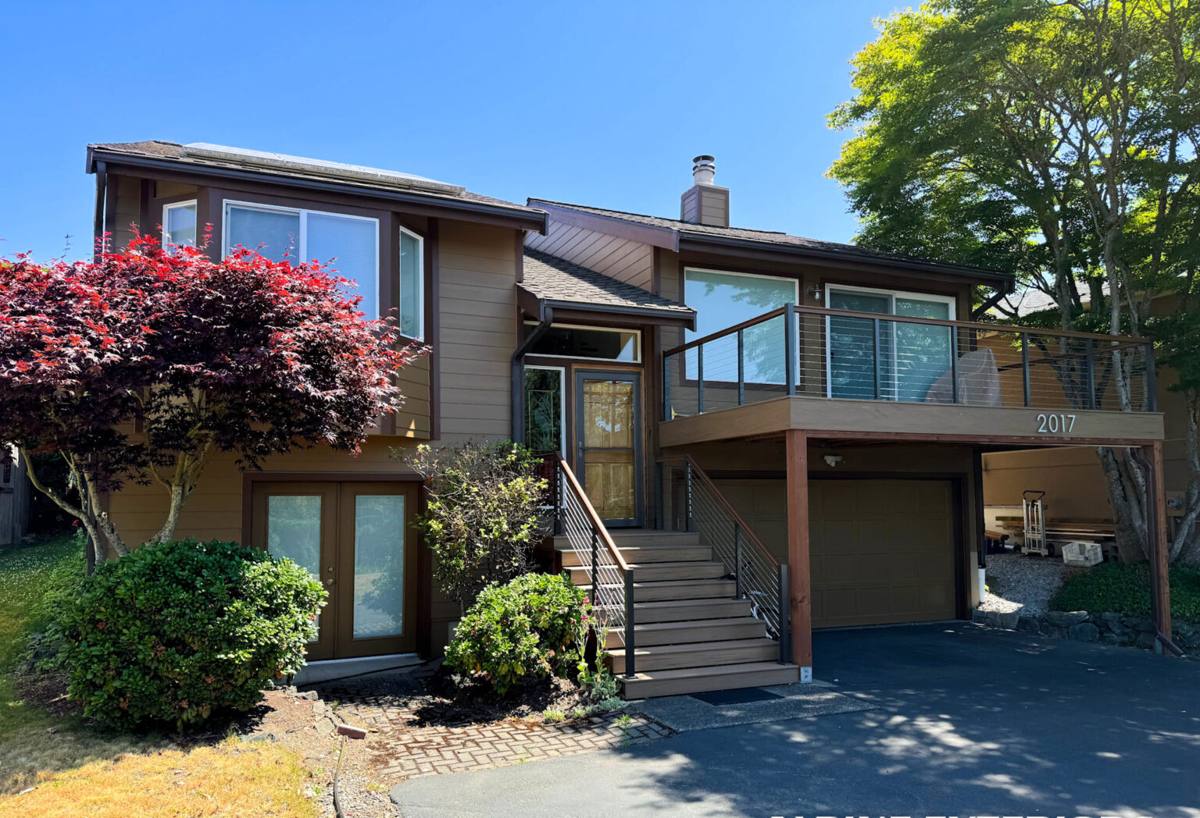
What Seattle's Climate Does to a Roof Over Time
Western Washington roofs don't fail the way roofs do in drier climates. The damage here is slow, cumulative, and often invisible from the ground until it isn't. Three factors do most of the work:
Driving Rain
Seattle's rain doesn't just fall straight down — wind pushes it sideways into valleys, up under shingle tabs, and behind flashing that's even slightly undersized. Over years, that wind-driven moisture finds every weak seam, especially around chimneys, skylights, and roof-to-wall transitions.
A Long Moss Season
Shade from mature trees, combined with months of damp, cool weather, gives moss and algae a long growing season on King County roofs. Moss doesn't just look bad — it holds moisture against the roofing material, lifts shingle edges as it grows, and can work its way under flashing over time. A roof that's shaded most of the day will always fight moss harder than one in full sun, and that should factor into material choice and maintenance planning.
Marine Air
Being close to Puget Sound and the region's lakes means a steady dose of salt-tinged, humid marine air. That air is harder on exposed metal — fasteners, flashing, and vents — than a dry inland climate would be, which is one reason fastener and flashing quality matters more here than the roofing material alone.
Signs It's Time to Replace, Not Patch
Not every roof problem calls for a full replacement, and we'll always say so if a repair is the honest answer. But certain signs mean patching is just delaying a bigger, more expensive failure:
- Granules collecting in gutters or downspouts, or shingles that look bald and shiny in patches
- Multiple layers of moss or algae staining that keeps returning within a season of cleaning
- Soft or spongy spots when walking the roof, which usually means the decking underneath is compromised
- Daylight visible through the roof deck from inside the attic
- Curling, cracking, or cupping shingles, especially on south- or west-facing slopes
- Frequent interior leaks around chimneys, skylights, or valleys that keep reappearing after repairs
- A roof already at or past the manufacturer's expected service life for its material and exposure
If you're seeing two or more of these at once, it's usually more cost-effective over the next five to ten years to replace than to keep chasing individual repairs.
Choosing the Right Roofing Material for This Neighborhood
There's no single "best" roofing material — the right choice depends on your roof's shade exposure, the age and slope of the structure, and your budget for both installation and long-term upkeep. Here's how the common options compare for a shaded, damp, moss-prone Seattle lot:
| Material | Typical Lifespan | Moss/Moisture Resistance | Relative Cost |
|---|---|---|---|
| Asphalt composition shingle (3-tab) | 15-20 years | Moderate — needs regular moss removal in shaded areas | Lowest |
| Architectural/dimensional shingle | 25-30 years | Good — thicker profile sheds moisture better | Moderate |
| Standing seam metal | 40-50+ years | Excellent — smooth surface resists moss buildup | Higher upfront |
| Cedar shake | 20-30 years with upkeep | Poor without diligent maintenance in shade | Higher, plus ongoing care |
We're honest about the trade-offs of each. Cedar shake can look beautiful, but in a shaded, damp neighborhood it needs consistent cleaning and treatment to avoid moss and rot — that's a maintenance commitment more than a product flaw, and we want homeowners to go in with eyes open. Metal roofing performs very well against moss and driving rain but comes with a higher installation cost and specific detailing requirements at penetrations. For most University District homes, a quality architectural shingle strikes the best balance of moss resistance, appearance, and cost — but we'll walk your specific roof with you before recommending anything.
What a Correct Roof Replacement Actually Involves
Tear-Off and Deck Inspection
We remove the old roofing down to the deck rather than laying new material over old — that's the only way to actually see the condition of the sheathing. On older University District homes, this is where we sometimes find sections of original skip sheathing or water-damaged plywood that need to be replaced before anything new goes down. Skipping this step is how "new" roofs fail early.
Ice and Water Protection at Vulnerable Points
Valleys, eaves, and areas around chimneys and skylights get a self-adhering waterproof membrane before anything else. Given how much wind-driven rain this region sees, these are the spots most likely to leak first, and they get the most protection.
Underlayment
A full synthetic underlayment layer goes over the rest of the deck as a secondary water barrier — a backstop in case any water works past the primary roofing surface, which matters through a long, wet Puget Sound winter.
Flashing
New metal flashing at every roof-to-wall intersection, chimney, and vent pipe, sized and installed correctly rather than reused or minimized. Flashing failures are the single most common source of roof leaks we see in this climate, and it's not a place to cut corners.
Roofing Material Installation and Ventilation Tie-In
The final roofing layer goes on per manufacturer specification, and we tie the roof vents into a ventilation path that actually moves air through the attic — which brings us to the next point.
Attic Ventilation and Older Home Considerations
A lot of older University District homes were built with little or no attic ventilation, because that wasn't standard practice decades ago. A roof replacement is the right time to fix that. Poor ventilation traps warm, moist air in the attic, which condenses on the underside of the roof deck, accelerates rot, and can shorten a new roof's life regardless of how good the shingles are. It also makes the moss problem worse from the inside out, since a warmer roof surface in winter can affect how snow and frost behave, and trapped humidity works against the roofing material year-round. We assess existing ventilation as part of every estimate and recommend intake and exhaust improvements when the current setup is undersized for the attic volume.
Our Roof Replacement Process
- Free on-site inspection and estimate, including a look at the attic and deck condition where accessible
- Written proposal outlining material options, scope of work, and a clear price — no vague allowances
- Scheduling that accounts for Seattle's weather windows, since roofing needs a reasonable stretch of dry days
- Protection of landscaping, siding, and neighboring property before tear-off begins
- Tear-off, deck inspection and repair, and installation following manufacturer specifications
- Full site cleanup, including a magnetic sweep for stray nails
- Final walkthrough and warranty documentation before we consider the job done
Permits, Parking, and the Realities of Working Near Campus
A full roof replacement in Seattle typically requires a permit through the city, and we handle that process as part of the job rather than leaving it to the homeowner. University District's density adds its own logistics: narrow lots, limited street parking near the University of Washington campus, and closer proximity to neighboring homes than you'd find in a more spread-out suburb. That means more careful staging of dumpsters and material delivery, more attention to protecting shared fences and walkways, and sometimes coordinating with neighbors directly about noise and access during the work. These aren't things you think about until they go wrong, which is exactly why they're worth planning for up front.
Why Local Experience in University District Matters
A crew that regularly works in this neighborhood already knows what to expect from the housing stock — where original sheathing tends to need replacing, how much shade a given block gets and what that means for moss, and how to navigate tight lots without turning the project into a headache for the block. That familiarity translates into more accurate estimates, fewer surprises once tear-off starts, and a smoother project overall. It also means we understand the pace of King County's rainy season and plan installation windows accordingly, instead of rushing a job into weather that compromises the work.
If your roof is showing its age or you're just not sure whether it needs repair or replacement, we're happy to take a look. Reach out for a free, no-pressure estimate — we'll walk the roof, give you a straight answer, and lay out your real options before you decide anything.