 Seattle Exterior
 Why University District Roofs Wear Out Faster Than You'd Expect
University District sits in one of Seattle's older, more established pockets of King County — a mix of early-1900s bungalows and craftsman-style houses, converted duplexes, and multi-family rentals packed in close to mature street trees. That tree canopy is part of the neighborhood's character, but it's also part of the problem. Overhanging limbs shade roof sections for most of the day, keep them damp longer after every rain, and drop needles and leaf litter into valleys and gutters all year round.
Add in the region's driving rain, the salt-tinged air that rolls in off Puget Sound, and a moss season that can run eight or nine months out of the year, and you get roofs that age unevenly. The north-facing slope of a house can be growing moss and losing granules while the south slope still looks fine. That's a University District pattern more than a generic "Seattle roof" pattern — it comes from the specific combination of shade, moisture, and building age you find in this neighborhood.
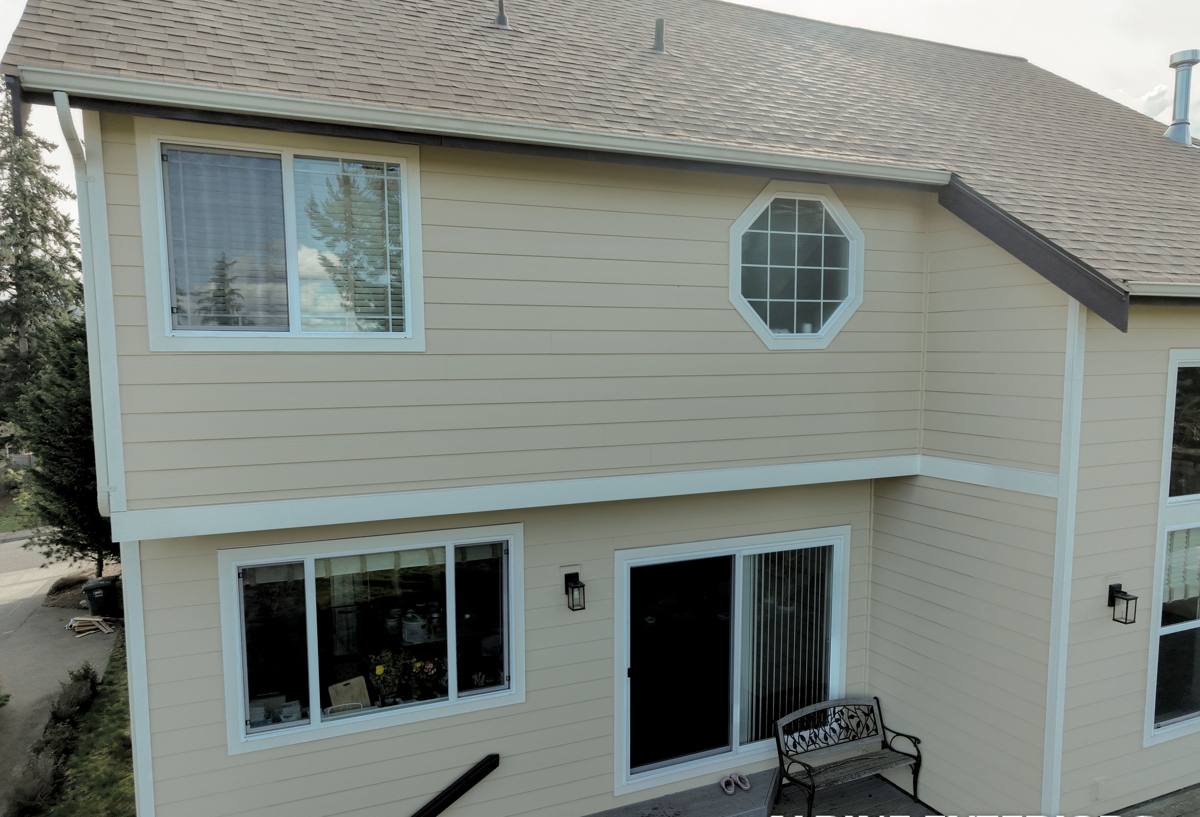
Repair or Replace? Reading the Signs on an Older U-District Roof
Because so many homes here were built decades ago and re-roofed at least once already, we get a lot of calls where the real question isn't "how do I fix this leak" but "is it time to stop patching." A few signs point toward full replacement rather than another repair:
- Granule loss heavy enough that you can see bare, shiny patches on asphalt shingles from the ground
- Moss that's established itself under the shingle tabs, not just sitting on the surface — this lifts shingles and lets water track underneath
- Multiple past repairs (patched flashing, mismatched shingle bundles, tarps from a prior storm) that suggest the underlying roof is at the end of its service life
- Soft spots, sagging ridgelines, or daylight visible through the attic decking
- A roof that's already had two layers of shingles installed over the years — most jurisdictions and manufacturers won't allow a third layer, which forces a tear-off anyway
- Persistent moisture smell or staining in upstairs closets and ceilings, especially on the shaded side of the house
If you're only seeing one or two isolated issues on an otherwise sound, newer roof, a targeted repair is usually the honest answer. We'll tell you that directly — a full replacement only makes sense when the roof as a system, not just one section, is compromised.
What a Correct New Roof Installation Actually Involves
A roof that's going to hold up to another few decades of Seattle weather is built in layers, and skipping or shortcutting any one of them is where premature failures come from. The visible shingle or panel is the last thing installed, not the thing doing most of the work.
| Layer | Purpose | Why it matters here |
|---|---|---|
| Deck inspection & repair | Confirms the plywood or sheathing underneath is sound | Older U-District homes sometimes have decking that's been quietly absorbing moisture for years |
| Ice & water shield | Self-adhering waterproof membrane at eaves, valleys, and penetrations | Protects the spots where wind-driven rain and moss-clogged valleys back water up under the roof edge |
| Synthetic underlayment | Secondary water barrier across the full roof | A backstop for the long stretches of steady rain this region gets |
| Flashing (valleys, chimneys, walls, skylights) | Directs water away from every roof penetration and transition | Failed flashing, not failed shingles, is the most common cause of leaks we find on older re-roofs |
| Ventilation (intake + exhaust) | Moves air through the attic to control heat and moisture | Poor ventilation is directly linked to premature moss growth and shingle curling in this climate |
| Roofing material | The visible, weather-facing surface | Choice depends on budget, roof pitch, and how much moss and maintenance you're willing to manage |
Material Options for This Neighborhood
Most U-District homes end up choosing between a few practical options:
- Architectural (dimensional) asphalt shingles — the most common choice, good value, wide color range, typically 30-year to lifetime manufacturer warranties depending on the product line
- Standing seam metal — sheds moss and moisture more aggressively than shingles, holds up well long-term, higher upfront cost, a strong fit for steep or heavily shaded roof planes
- Cedar shake — traditional look that suits older craftsman homes, but it's the highest-maintenance option in a shaded, damp climate; without diligent upkeep it's the material most prone to moss and rot issues here, so we make sure clients understand that maintenance commitment before recommending it
We don't push one material on every job. A shaded, low-pitch roof on a rental duplex has different priorities than a steep-pitched craftsman roof the owner plans to stay in for 20 years — the right answer changes with the house.
How Our Installation Process Works
- On-site inspection and estimate — we walk the roof (or use a drone where pitch or access makes that safer), check the attic from the inside, and note deck condition, ventilation, and flashing problems before quoting anything
- Written scope and material selection — you get a clear breakdown of what's being torn off, what's being replaced, and what materials are proposed, with straightforward pricing
- Permitting — full tear-off and replacement typically requires a permit through the City of Seattle; we handle that paperwork so it's not on you
- Tear-off and deck inspection — old material comes off down to the sheathing so we can actually see what's underneath, not guess at it
- Deck repair — any soft, delaminated, or water-damaged sheathing is replaced before anything new goes down
- Waterproofing and flashing — ice-and-water membrane, underlayment, and new flashing at every valley, wall, and penetration
- Ventilation correction — intake and exhaust vents are added or corrected where the existing setup is inadequate
- Material installation — shingles, metal panels, or shakes installed to manufacturer specification, which is what actually keeps the warranty valid
- Final walkthrough and cleanup — magnetic sweep for stray nails, debris haul-off, and a walkthrough so you can see the finished work before we consider the job done
Moss, Ventilation, and Moisture: The Details That Actually Matter Here
A new roof that isn't ventilated correctly will grow moss just as fast as the old one did — sometimes faster, because fresh shingle surfaces can actually hold moisture well until they weather in. Balanced attic ventilation keeps the underside of the deck closer to outdoor temperature, which reduces the condensation that feeds moss and slows the freeze-thaw stress on shingle edges during King County's colder snaps.
We also pay close attention to valley design and gutter tie-ins on U-District jobs specifically, because the tree cover means valleys collect more organic debris here than in more open parts of the city. A valley that's slightly undersized or poorly flashed will show it within a season or two under this kind of debris load.
Cost Factors for a New Roof in University District
Every quote is specific to the house, but the factors that move the price up or down are consistent:
| Factor | Effect on cost |
|---|---|
| Roof size and number of planes/valleys | More cuts, flashing, and labor time |
| Roof pitch and access | Steep or hard-to-access roofs (common on older U-District homes) need more safety setup and time |
| Number of existing layers to tear off | Two-layer tear-offs cost more in labor and disposal than a single-layer job |
| Deck condition | Hidden rot or delamination found at tear-off adds material and labor |
| Material choice | Asphalt shingle, metal, and cedar shake sit at different price points, roughly in that order from lowest to highest |
| Ventilation and flashing corrections | Fixing an inadequate original setup adds modest cost but prevents repeat problems |
As a broad guide, a full tear-off and replacement on a typical single-family home in this part of King County often lands somewhere in the low-to-mid five-figure range, with metal roofing and larger or more complex roofs running higher. We'll always give you the real number for your specific roof rather than working backward from a marketing figure.
Why It Matters to Hire a Crew That Already Works in University District
A roofing crew that works this neighborhood regularly already knows which streets have heavy tree cover on the north side, which older homes tend to have undersized original ventilation, and what the City of Seattle permitting process actually requires for a residential re-roof. That familiarity shows up in fewer surprises mid-project — we're not learning the neighborhood's quirks on your roof.
It also matters for accountability. A local crew is still local next month, next year, and when a warranty question comes up. We stand behind our installation work and manufacturer warranties, and we're not disappearing after the final payment clears.
Questions Worth Asking Before You Sign a Contract
- Is a full tear-off included, or is this a layover install?
- What's being done about ventilation, not just the shingle or panel itself?
- Who pulls the permit, and is that cost included in the quote?
- What's the manufacturer's warranty on materials, and what's the separate workmanship warranty on labor?
- Is deck repair priced as an allowance, or billed separately if rot is found?
- What's the plan for protecting landscaping and driveways during tear-off?
If a contractor can't answer these clearly before you sign anything, that's worth noticing.
If your roof in University District is showing its age — heavy moss, curling shingles, or a leak you're tired of patching — we're happy to take a look and give you a straight, no-pressure estimate. Fill out the form below and we'll get a time on the calendar.