 Seattle Exterior
 Fremont's Windows Take a Different Kind of Beating
Fremont sits along the Lake Washington Ship Canal, where fresh water and the tidal push from the locks meet, and where mature trees shade a lot of the older housing stock. That combination matters more than most homeowners realize. The canal corridor carries a steady mix of moist, mineral-laden air, and the tree canopy on many Fremont streets keeps north- and west-facing walls damp long after a storm has passed elsewhere in the city. Add in Seattle's driving rain — the kind that comes in sideways during a windstorm off the Sound — and window assemblies here are working harder than a spec sheet from a warmer, drier climate would suggest.
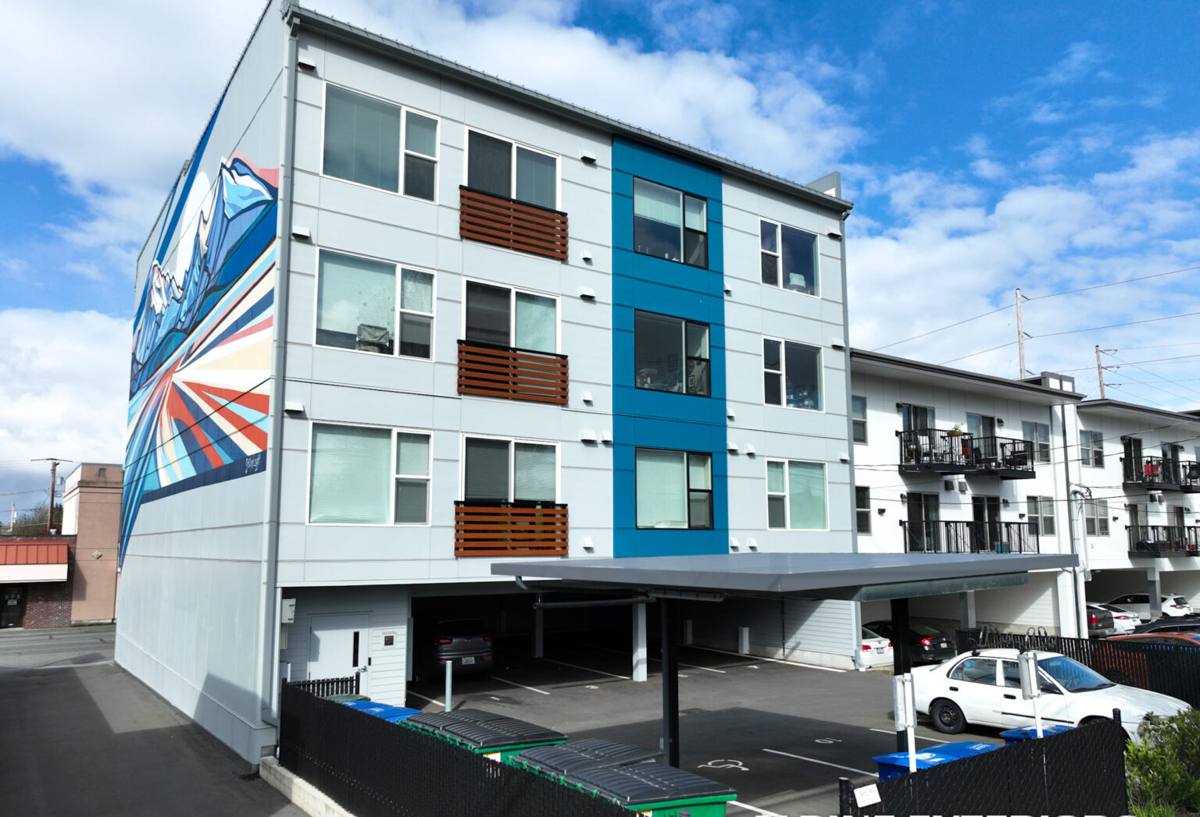
A lot of Fremont's housing dates from the early 1900s through the mid-century boom, so many original windows are single-pane wood sash units that have been painted over, patched, or partially replaced piecemeal over the decades. Newer infill and condo construction sits right alongside those older homes, which means window needs across the neighborhood vary block by block. What doesn't vary is King County's climate: months of gray, wet weather every year, and a moss season that runs longer here than in drier parts of the state.
Signs a Fremont Home Needs Window Replacement
Windows rarely fail all at once. In a marine climate like ours, the warning signs tend to show up gradually, and they're often mistaken for normal aging rather than a sign that moisture is getting into places it shouldn't.
- Wood sashes that feel soft, spongy, or show paint bubbling at the corners
- Fogging or a permanent haze between panes on double-glazed units — a sign the seal has failed
- Drafts you can feel near the frame even with the window latched shut
- Difficulty opening, closing, or latching windows that used to work fine
- Visible daylight or gaps around the frame from outside
- Moss or dark streaking on the sill or exterior casing that keeps returning after cleaning
- Noticeably higher heating bills without another explanation
Any one of these on its own might just need a repair. Several showing up together, especially on the shaded or canal-facing side of a house, usually points to the window assembly itself losing its ability to shed water.
What a Correct Window Replacement Job Actually Involves
Full-Frame vs. Insert Replacement
There are two basic approaches. An insert (or "pocket") replacement fits a new window into the existing frame, which is faster and less invasive when the old frame is still sound and square. A full-frame replacement removes everything down to the rough opening, which is the right call when there's rot, the opening is out of square — common in older Fremont homes that have settled over a century — or when we need access to inspect and repair the wall assembly behind the trim.
Flashing and Water Management
The window itself only does part of the job. In a climate with this much driving rain, how the window is integrated into the wall matters as much as the product. That means a proper sloped sill pan so water drains outward instead of pooling, correctly lapped flashing tape that ties into the house's weather-resistive barrier, and sealant used at the right joints — not everywhere, since over-sealing can trap moisture instead of releasing it. This is the step that gets rushed on a fast, cheap install, and it's the step that determines whether a window lasts fifteen years or thirty-five.
Choosing Materials That Hold Up in Seattle's Climate
There's no single "best" window material — the right choice depends on the home's age, exposure, and how much upkeep an owner wants to take on. Here's how the common options compare for a wet, shaded, marine-influenced setting like Fremont.
| Material | How It Handles Our Climate | Maintenance | Good Fit For |
|---|---|---|---|
| Vinyl | Won't rot; performs well in constant moisture | Low — occasional cleaning | Budget-conscious replacements, rental and infill properties |
| Fiberglass | Very stable in temperature swings and damp conditions; strong seal longevity | Low | Homeowners wanting a long-term, low-hassle upgrade |
| Wood-clad (exterior aluminum or vinyl over a wood interior) | Good if flashing and finish are maintained; exterior cladding protects the wood | Moderate — watch cladding seams and interior finish | Craftsman and older Fremont homes where interior wood trim matters |
| Bare wood | Requires diligent upkeep in a climate this wet; original sashes often show their age | High — repainting, caulking, sash repair | Historic-character restorations where matching the original look is the priority |
| Aluminum (uninsulated) | Conducts cold and can condense heavily in our damp winters | Low | Rarely our first recommendation for residential replacement here |
For most Fremont homes, we lean toward vinyl or fiberglass for straightforward performance, or wood-clad options when matching the character of an older craftsman or bungalow is important to the owner. We're upfront that bare wood windows look great but demand a maintenance commitment that not every household wants to take on, and that's a trade-off worth deciding on purpose rather than by default.
How Our Window Replacement Process Works
- On-site assessment. We look at every window being considered, check for rot or out-of-square openings, and note exposure — which walls take the worst of the rain and which sit under tree cover.
- Product selection. We walk through material, glass package, and style options based on the home's age, your budget, and how the window performs against wind-driven rain, not just its look.
- Permitting. Depending on scope and whether structural changes are involved, window replacement in Seattle can require a permit. We handle that step so it doesn't fall on you.
- Removal and inspection. Once the old window is out, we check the rough opening and sheathing for hidden moisture damage before anything new goes in — this is often where we find issues a quick insert job would have sealed over.
- Installation and flashing. The new unit is set, shimmed level and square, and integrated with sill pan flashing and weather-resistive barrier tie-in.
- Sealing and finish work. Interior and exterior trim, caulking, and touch-up are completed to match the surrounding wall.
- Final walkthrough. We test operation, check the seal, and go over care basics before we consider the job done.
What Affects the Cost of Window Replacement
Every home is different, so we don't quote sight unseen — but these are the main factors that move the number up or down on a Fremont project.
| Factor | Why It Matters |
|---|---|
| Full-frame vs. insert replacement | Full-frame costs more but is often necessary on older or damaged openings |
| Number and size of windows | Larger openings and whole-house projects change both material and labor totals |
| Frame material | Vinyl is typically the most affordable; fiberglass and wood-clad run higher |
| Glass package | Double-pane with low-E coating is standard; triple-pane or specialty glass adds cost |
| Hidden repairs | Rot or water damage found once the old window is out adds time and material |
| Access | Second-story or hard-to-reach windows take more labor and equipment |
As a broad range, homeowners in our market often see individual window replacement fall somewhere between several hundred and a couple thousand dollars per opening installed, with the total shaped heavily by the factors above. We'll give you real numbers once we've seen the windows in question.
Energy Efficiency and Moisture Control
In King County's climate, a window's job is really two jobs: keeping heat in and keeping water out, and the second one gets less attention than it deserves. Look for a solid U-factor rating for insulation performance and a low-E glass coating that manages solar heat without turning a room into a greenhouse. Just as important is balanced ventilation — a tightly sealed new window can shift how moisture moves through a room, so we talk with homeowners about airflow, especially in older homes that weren't built with modern insulation levels in mind. Done right, a new window reduces drafts and condensation on the glass; done wrong, it can trap moisture somewhere else in the wall.
Why a Crew That Already Works Fremont Matters
Fremont's mix of century-old wood-frame houses, mid-century remodels, and newer infill means no two window jobs here look the same. A crew that regularly works this neighborhood knows what to expect when they pull the trim off a 1910s bungalow versus a 1970s addition — where the rot usually hides, how the original construction handled (or didn't handle) flashing, and how to match new work into an older wall without it looking bolted on. That familiarity also extends to Seattle's permitting process and to reading how a specific lot's shade and exposure to the canal will affect long-term performance. It's the difference between a window that's simply installed and one that's installed to actually last through another few decades of King County winters.
Caring for New Windows Through Moss Season
A correctly installed window still benefits from basic upkeep, especially given how long our wet season runs. A few habits go a long way:
- Clear debris and moss from sills and tracks a couple of times a year, especially on shaded walls
- Check exterior caulking annually and touch up any cracked or peeling sections
- Keep gutters and downspouts clear so overflow doesn't run down onto window heads
- Trim back tree limbs and shrubs that keep a window's exterior constantly damp
- Operate each window a few times through the year so weatherstripping and hardware don't seize up
If you're noticing drafts, fogged glass, or moss buildup that won't quit on your Fremont home, we're happy to take a look and give you an honest, no-pressure estimate — no obligation, just straight answers about what your windows actually need.