 Seattle Exterior
 Why Magnolia's Roofs Take a Different Kind of Beating
Magnolia sits on a peninsula with Puget Sound on three sides, and that position matters more than most homeowners realize when it comes to roof condition. Homes here deal with more wind-driven rain, more salt-laden air, and more shaded, moss-prone rooflines than a lot of other Seattle neighborhoods further from the water. When we get called out for roof repair in Magnolia, we're usually looking for a specific set of wear patterns tied directly to that exposure — not generic "old roof" problems.
Salt Air and Marine Exposure
Salt air accelerates corrosion on anything metal — flashing, fasteners, vent caps, and gutter hardware all take a harder hit here than they would a few miles inland. It also speeds up the breakdown of sealants and shingle granules over time. None of this means a Magnolia roof fails faster across the board, but it does mean the small, vulnerable points — flashing seams, exposed nail heads, sealant joints — need closer attention and shorter service intervals.
Driving Rain and Wind
Storms coming off the Sound tend to push rain sideways rather than straight down, which is a different stress test than a calm downpour. Wind-driven rain finds gaps that would never leak in still weather — under-sized flashing laps, cracked pipe boots, or shingles that have lost their seal. A repair that only addresses the visible leak point without accounting for wind direction often fails again in the next storm.
A Long, Damp Moss Season
Seattle's mild, wet winters combined with Magnolia's mature tree canopy and shaded lots create long stretches where roofs simply don't dry out. Moss and algae take hold on north-facing slopes and anywhere shade lingers, and once established, moss roots work their way under shingle tabs, lifting edges and holding moisture directly against the roof deck. A large share of the slow leaks we trace during repair calls start with moss that's been growing, unnoticed, for a season or two.
Common Roof Repair Issues We Find in Magnolia Homes
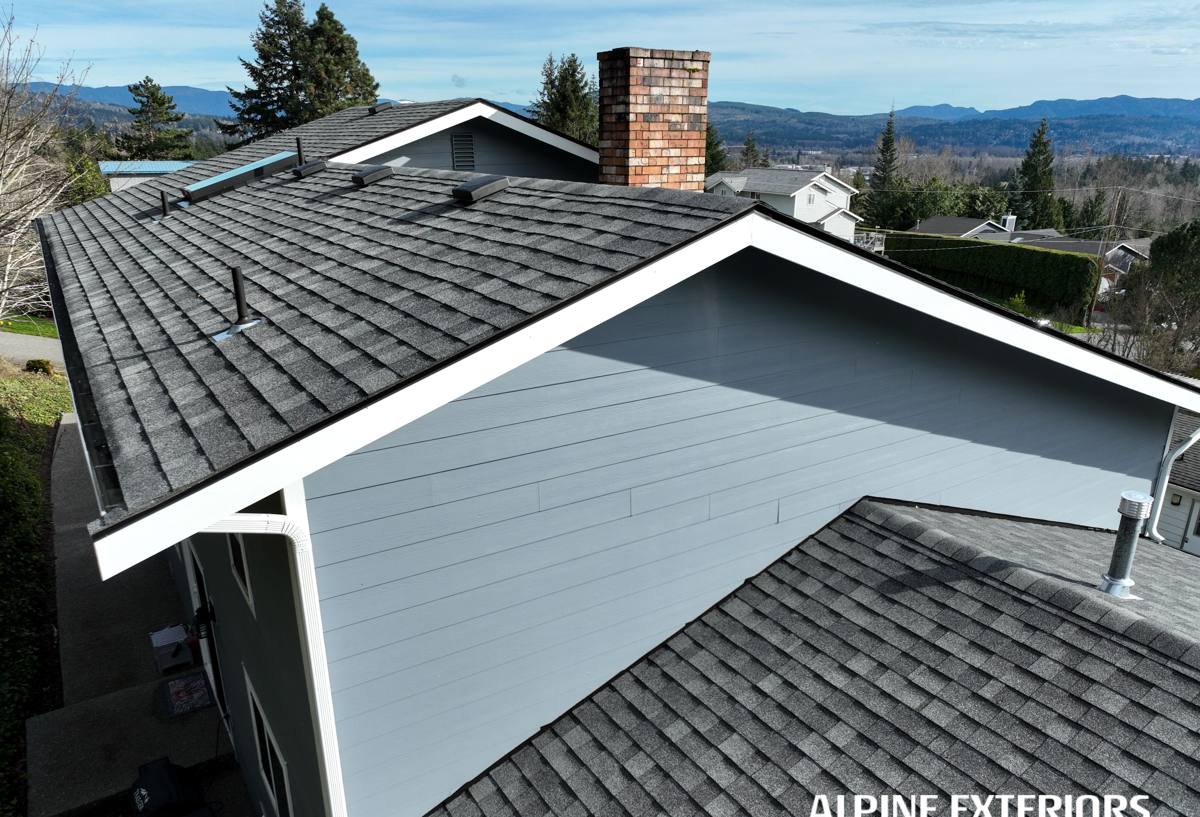
Every roof is different, but certain problems show up again and again on repair calls in this part of King County:
- Lifted, cracked, or missing shingles along moss-covered ridges and valleys
- Rusted or failing flashing around chimneys, skylights, and roof-to-wall transitions
- Gutters and downspouts backed up with needle and leaf debris, pushing water under the roof edge
- Soft or discolored roof decking found during attic or crawlspace inspections, signaling a slow, existing leak
- Sealant and pipe-boot failure around plumbing and vent penetrations after years of sun and salt exposure
- Damaged or displaced ridge caps from winter wind events
Some of these are obvious from the ground. Others — especially deck rot and slow leaks under moss mats — only show up once someone gets on the roof and actually looks.
What a Correct Roof Repair Actually Involves
Start With a Real Inspection, Not a Guess
A repair that only treats the spot where water showed up inside the house often misses the actual entry point, since water can travel along rafters or decking before it drips through a ceiling. A proper repair starts with tracing the leak to its source — checking flashing, penetrations, shingle condition, and the underlayment in the surrounding area, not just the stain on the ceiling below.
Matching Materials, Not Just Patching
Roofing materials age and weather over time, so a patch using brand-new shingles or flashing can stand out visually and, more importantly, can behave differently than the surrounding material. We match materials as closely as possible for both appearance and performance, and we replace underlayment in the repaired section rather than just working around it — underlayment is what actually keeps water out if the surface layer is ever compromised again.
Addressing the Cause, Not Just the Symptom
If moss lifted the shingles that caused a leak, replacing those shingles without addressing the moss and the shade or drainage conditions that let it grow just resets the clock on the same problem. Correct repair work looks at why the damage happened, not only where.
Our Roof Repair Process in Magnolia
Our approach is straightforward, and we walk every homeowner through it before any work starts:
- On-roof inspection. We physically inspect the affected area and the roof as a whole, not just photos or a ground-level look.
- Honest diagnosis. We explain what's actually wrong, what's causing it, and whether it's a targeted repair or a sign of broader wear.
- Clear scope and pricing. You get a written explanation of the repair before we start — no surprise add-ons once we're on the roof.
- The repair itself. Matching materials, correct flashing technique, and proper underlayment integration — done to hold up through the next Puget Sound storm season, not just patched to look fine today.
- Cleanup and a final walk-through. We clear debris and show you what was done and why.
If we find the roof is past the point where repair makes sense, we'll tell you that too, along with why — we'd rather lose a repair job than sell one that won't hold.
Repair or Replace? How We Help Magnolia Homeowners Decide
Not every roof problem calls for a full replacement, and not every leak can be permanently solved with a patch. These are the factors that actually drive that decision:
| Factor | Leans Toward Repair | Leans Toward Replacement |
|---|---|---|
| Age of roofing material | Well within expected lifespan | Near or past typical service life |
| Extent of damage | Isolated to one area or penetration | Spread across multiple sections or slopes |
| Decking condition | Solid, dry decking under the damaged area | Soft, rotted, or repeatedly wet decking |
| Leak history | First occurrence, clear single cause | Recurring leaks in different spots |
| Moss/algae coverage | Limited, treatable areas | Widespread coverage affecting most slopes |
We'll walk you through where your roof lands on this list in plain terms, with our reasoning, not just a recommendation.
Roof Types Common in Magnolia and Their Repair Considerations
Magnolia's housing stock spans decades, and the right repair approach depends heavily on what's actually on the roof:
| Roof Type | What We Watch For |
|---|---|
| Composition (asphalt) shingle | Granule loss, cracked tabs, moss lift, seal failure on windward slopes |
| Cedar shake | Moisture retention, splitting, moss and algae growth in shaded areas — needs careful, breathable repair techniques |
| Flat or low-slope membrane | Ponding water, seam separation, and membrane wear around roof penetrations and drains |
| Metal roofing | Fastener corrosion from salt air, sealant breakdown at seams and penetrations |
Each of these materials fails differently and needs a different repair technique — what works on a shingle roof can actually damage a cedar shake or membrane system if it's applied the wrong way. This is why the specific product and installation method matter as much as the general repair concept.
Moss Control as Part of a Lasting Repair
Because Magnolia's tree cover and Seattle's wet season make moss such a consistent problem, we treat moss management as part of the repair itself, not an afterthought. That typically means removing moss and debris from the affected area and surrounding slopes, checking for shingle or shake damage moss growth has caused, and talking through options to slow regrowth — things like keeping gutters and valleys clear and, where it makes sense, zinc or copper strips that reduce moss regrowth on future rainfall. We won't oversell a moss-prevention product as a permanent fix; in a climate this wet and shaded, ongoing maintenance is part of owning a roof here, and we're upfront about that instead of promising a one-time solution.
Why Hiring a Crew That Already Works in Magnolia Matters
A roofing crew that regularly works Magnolia's streets already has a working sense of how the peninsula's exposure, tree cover, and older housing stock tend to age roofs — that context shapes where we look first and what we expect to find before we're even on the ladder. It also means we're realistic about access: some Magnolia lots have tighter driveways, steep grades, or mature landscaping close to the house, and planning around that ahead of time keeps a repair day efficient instead of improvised. Local, ongoing presence also means if a repair needs a follow-up visit or the same crew for a related issue down the road, we're not starting from scratch on a property we've never seen.
When to Call — Signs Your Magnolia Roof Needs Repair Now
Some roof problems are obvious. Others are quiet for months before they turn into a bigger repair. Watch for:
- Visible moss mats, especially on north-facing or shaded slopes
- Granules collecting in gutters or at downspout outlets
- Shingles that look lifted, curled, or out of alignment after a windstorm
- Water stains or discoloration on interior ceilings, especially near chimneys or skylights
- Daylight visible through the roof deck from inside the attic
- Rust streaks below metal flashing or fasteners
- A musty smell in the attic that wasn't there before
If you're seeing any of these, it's worth having someone look before the next round of Puget Sound storms turns a small repair into a bigger one.
Get an Honest Look at Your Roof
If you're dealing with a leak, storm damage, or moss buildup on a Magnolia roof, we're happy to take a look and give you a straight answer about what it needs — repair, monitoring, or something bigger. Fill out the form below for a free, no-pressure estimate, and we'll walk the roof with you before recommending anything.