 Seattle Exterior
 Siding Replacement in Magnolia: What This Neighborhood Demands
Magnolia sits on a peninsula surrounded by Puget Sound on three sides, which means homes here take on a combination of weather stress that inland Seattle neighborhoods simply don't deal with the same way. Salt-laden air off the water, wind-driven rain that hits siding at an angle instead of falling straight down, and a long, damp moss season that can stretch from October through May all work against ordinary siding materials. When we replace siding in Magnolia, we're not just swapping old panels for new ones — we're addressing a specific set of exposure conditions that determine how long the job actually lasts.
A siding replacement done without accounting for this combination of salt air, driving rain, and moss pressure tends to show its age early: chalking finishes, soft spots at butt joints, and green-black staining that keeps coming back no matter how many times it's power-washed. Getting it right the first time matters more here than in a lot of Seattle's more sheltered pockets.
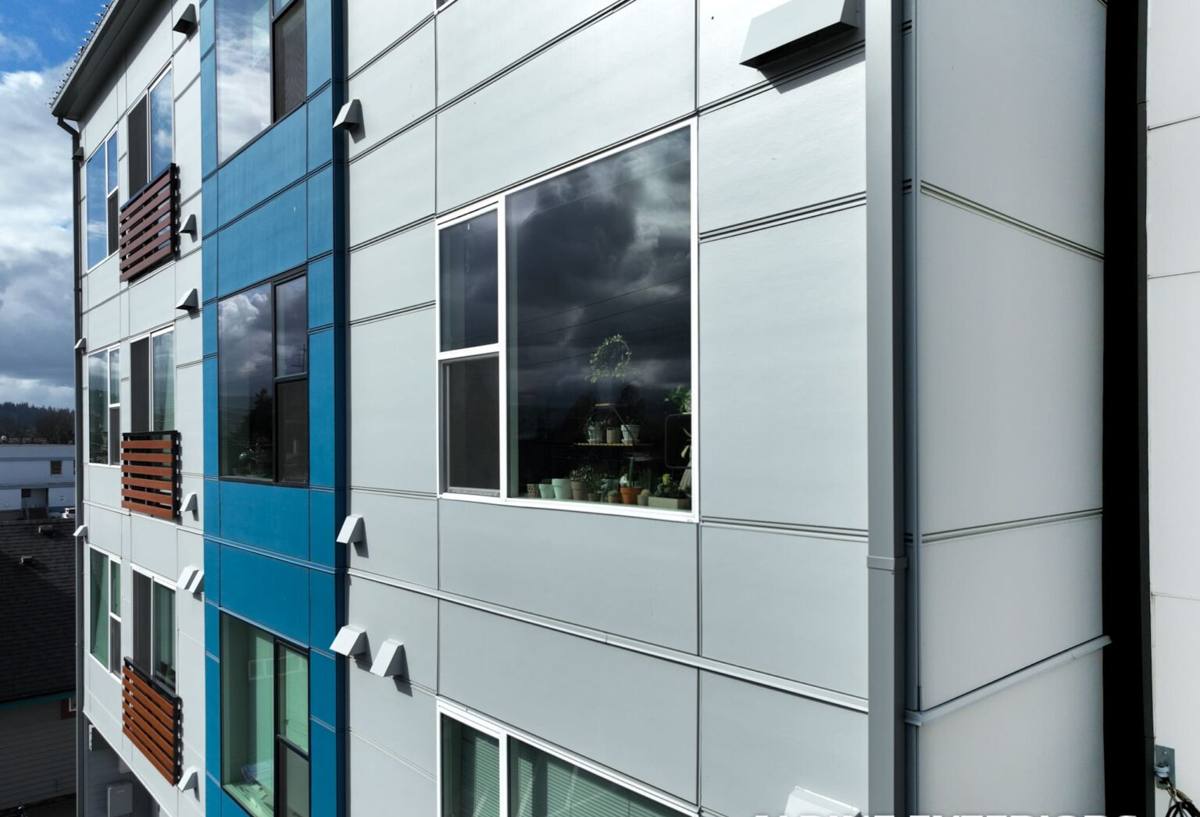
Why Magnolia's Climate Is Harder on Siding Than It Looks
Salt Air and Coastal Exposure
Homes closer to the water's edge in Magnolia are exposed to fine salt particulate carried in on marine air. Over years, that salt exposure accelerates the breakdown of paint films and can corrode fasteners and trim components that aren't rated for it. It's a slower, quieter form of wear than storm damage, but it adds up.
Driving Rain
Because Magnolia catches wind off the Sound, rain doesn't always fall straight down — it drives sideways into wall assemblies, pushing water toward seams, corners, and penetrations (hose bibs, light fixtures, vents) that a calmer climate would treat more gently. Siding systems and flashing details that work fine in a sheltered inland lot can underperform here if they weren't installed with that wind-driven moisture in mind.
Moss Season
Shaded north- and west-facing walls, tree cover, and the region's long wet season create ideal conditions for moss and algae growth on siding surfaces. Beyond the cosmetic issue, moss holds moisture against the wall longer than bare siding would, which matters most where the material underneath isn't built to tolerate sustained dampness.
What a Correct Siding Replacement Involves
A siding replacement is only as good as what happens before the new panels go up. In Magnolia's conditions, we treat these steps as non-negotiable, not optional upgrades:
- Full removal of old siding and inspection of the sheathing underneath for rot, soft spots, or prior water intrusion
- Repair or replacement of any damaged sheathing and framing before new material goes on
- Installation of a weather-resistive barrier (house wrap) that's properly lapped and sealed, not just stapled up
- Correct flashing at every window, door, and penetration — this is where wind-driven rain finds its way in if it's rushed
- Rainscreen or drainage gap detailing where appropriate, to let any moisture that does get behind the siding drain and dry out
- Fasteners and trim hardware rated for the coastal exposure, not generic hardware store stock
- Final caulking and sealant work at joints and transitions, using products suited to Pacific Northwest temperature and moisture swings
Skipping any one of these steps doesn't usually show up on day one. It shows up in year three or four, as staining, soft trim, or a callback that costs more to fix than it would have to do right the first time.
Why We Install James Hardie Fiber Cement — Not Vinyl, Not Wood, Not LP
Given what Magnolia's homes are up against, we made a deliberate decision to install only James Hardie fiber cement siding. We don't install vinyl, LP SmartSide, Cemplank, Allura, primed spruce, or cedar, and we think homeowners deserve an honest explanation of why.
Vinyl
Vinyl is inexpensive and easy to install, and for some budgets and climates it's a reasonable choice. But it expands and contracts significantly with temperature swings, which stresses seams and fasteners over time, and it can become brittle in cold snaps. In a marine environment with constant moisture cycling, those seams are exactly where problems tend to start.
Wood (Cedar, Primed Spruce)
Real wood siding looks great when it's new and can look great for decades if it's maintained relentlessly — recoated, caulked, and inspected on a strict schedule. In Magnolia's moss season and salt exposure, that maintenance burden is heavier than most homeowners realize when they sign up for it, and lapses in maintenance show up as rot, not just cosmetic wear.
LP SmartSide, Cemplank, Allura
These are legitimate engineered and fiber cement products with real manufacturers behind them. Our decision to standardize on Hardie isn't a claim that these products fail — it's that after years of installs in this climate, we've settled on one system, one warranty structure, and one set of installation specs that we know cold, rather than splitting our expertise across several product lines with different moisture behaviors and fastening requirements.
Why James Hardie
James Hardie fiber cement is non-combustible, holds its factory-applied ColorPlus finish far longer than field-painted materials, and Hardie engineers specific HZ5 product lines for exactly the kind of cold, wet, marine-influenced climate Seattle sits in. It doesn't rot, it resists moss and algae better than wood, and it carries a strong transferable warranty that matters if the home ever sells. For a peninsula neighborhood dealing with salt air and driving rain, that combination is why we put it on homes instead of the alternatives.
Comparing Siding Options for Magnolia Conditions
| Material | Moisture Resistance | Maintenance Burden | Salt Air Durability | Typical Lifespan |
|---|---|---|---|---|
| Vinyl | Moderate — seams vulnerable | Low, but limited repair options | Fades and becomes brittle over time | 15-25 years |
| Cedar / Primed Spruce | Poor without diligent upkeep | High — recoating, caulking, inspection | Prone to moss, rot in shaded/wet areas | 10-20 years with upkeep |
| LP SmartSide / Engineered Wood | Good if installed and sealed to spec | Moderate | Reasonable, installation-dependent | 20-30 years |
| James Hardie Fiber Cement | Excellent — engineered for wet climates | Low | Strong — non-combustible, stable finish | 30-50 years |
These are general characteristics, not guarantees — actual performance always depends on installation quality, sun and shade exposure, and how close a given home sits to the water.
Our Process for a Magnolia Siding Replacement
- On-site assessment: We walk the exterior, check current siding condition, look for signs of moisture behind existing panels, and note exposure factors specific to the lot — wind direction, tree cover, proximity to the water.
- Scope and estimate: We give a clear, itemized estimate covering removal, any sheathing repair, house wrap, Hardie material and trim, and finish colors.
- Sheathing and moisture barrier work: Before any new siding goes up, we address what's underneath — this is the step that determines whether the job lasts 10 years or 40.
- Installation to manufacturer spec: Hardie's installation instructions specify fastener spacing, clearances, and flashing details for a reason. We follow them, which is also what keeps the manufacturer's warranty intact.
- Final walkthrough: We review the finished work with the homeowner and confirm trim, caulking, and paint lines meet expectations.
Signs Your Magnolia Home May Need Siding Replacement Soon
- Persistent moss or algae staining that returns within months of cleaning
- Soft or spongy spots when you press on siding, especially near the bottom courses or around windows
- Visible cracking, warping, or separation at seams and corners
- Paint that's chalking, peeling, or failing faster than it used to
- Rising energy bills that suggest the wall assembly isn't sealing the way it should
Cost Factors for a Siding Replacement in This Area
Every home is different, but a few factors consistently move the price of a siding replacement in Magnolia: the amount of sheathing repair needed once old siding comes off, the home's overall square footage and complexity (dormers, multiple gables, and trim detail all add labor), the Hardie product line and profile chosen, and access — some Magnolia lots have tighter setbacks or slopes that affect staging and scaffolding. We'll walk through all of this plainly during your estimate rather than quoting a number that doesn't hold up once the old siding comes off.
Why a Crew That Already Works Magnolia Matters
Siding installation isn't one-size-fits-all across Seattle. A crew that's used to sheltered, tree-covered inland lots may not automatically account for wind-driven rain hitting a wall at an angle, or for the accelerated moss growth on a shaded north wall two blocks from the water. Working in Magnolia repeatedly means we've already seen how these specific conditions play out on real homes — which flashing details matter most, which orientations need extra attention, and where salt air tends to do its damage first. That local pattern recognition is part of what a correct installation depends on, and it's not something a crew picks up on a single job.
If your Magnolia home is due for a siding replacement, we're glad to walk your property, answer questions honestly, and put together a free, no-pressure estimate — just fill out the form below.