 Seattle Exterior
 Queen Anne's Climate Is Harder on Siding Than It Looks
Queen Anne sits high above Puget Sound, and that elevation is a mixed blessing. Homes get some of the best views in Seattle, but they also catch weather that lower, more sheltered neighborhoods don't see as directly. Salt-laden air off the Sound, wind-driven rain that hits siding sideways instead of just running down it, and a moss season that can stretch for most of the year all work against ordinary siding materials. Add in King County's persistent humidity and the tree cover common on the hill, and you have conditions that punish anything that isn't built to shed water and resist organic growth.
This is the exact environment James Hardie fiber cement was engineered for on the West Coast, and it's the reason we install nothing else. This page focuses specifically on what that means for a James Hardie Siding project on a Queen Anne home — not a generic rundown of the product, but what correct material, installation, and maintenance look like for this neighborhood's climate and housing stock.
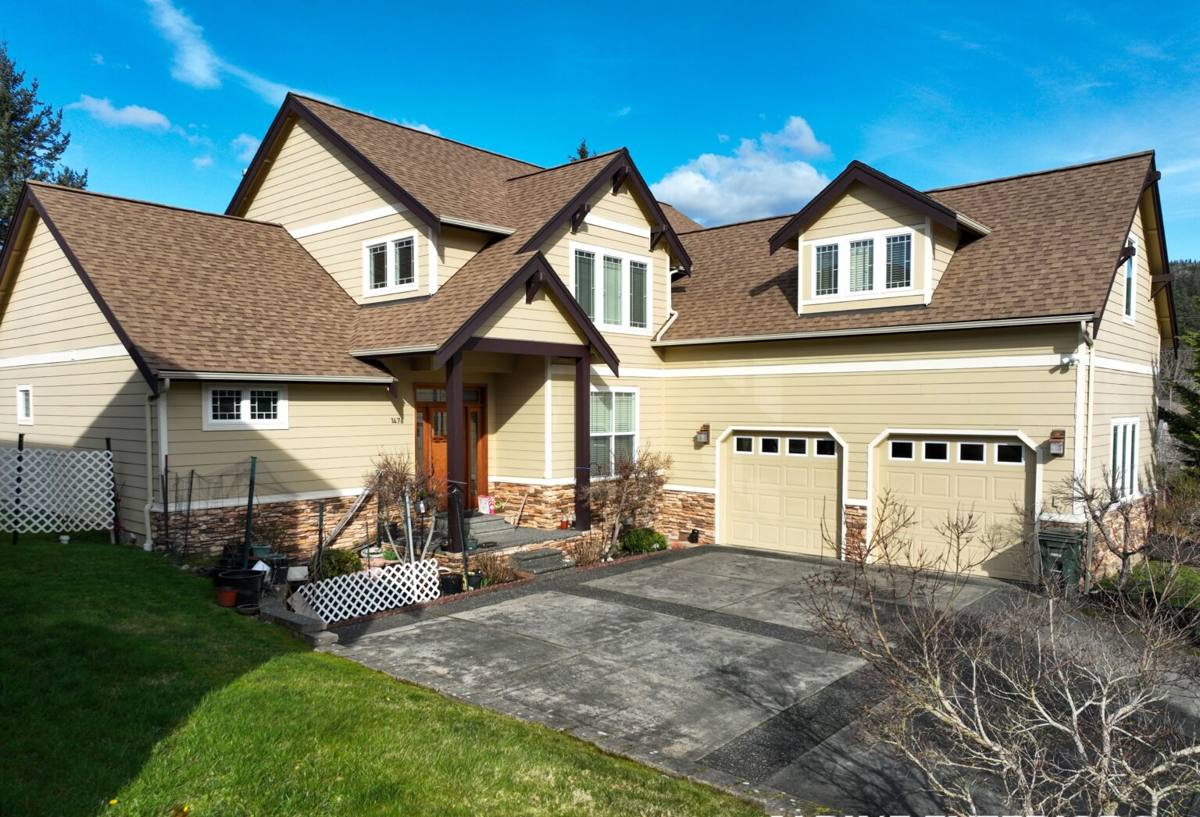
What Salt Air, Driving Rain, and Moss Actually Do to Siding
Each of these regional factors attacks siding in a different way, and understanding the mechanism matters when you're choosing a material and a crew.
Salt Air
Airborne salt is corrosive to exposed metal fasteners and trim, and it accelerates the breakdown of paint films and coatings that aren't formulated to resist it. Over years, siding that looks fine at ground level can be quietly losing its surface protection.
Driving Rain
Wind off the Sound doesn't let rain simply sheet down a wall — it drives water sideways and upward into laps, seams, and trim joints. Siding systems that rely on caulk alone at these joints, rather than proper flashing and shingle-style overlap, eventually let water behind the cladding.
Moss and Organic Growth
Shade, moisture, and mild temperatures are exactly what moss, algae, and mildew need to establish themselves. Once organic growth takes hold on a porous or water-absorbent siding surface, it holds moisture against the wall even longer, which compounds the problem instead of just sitting on top of it.
None of this is unique to Queen Anne — it's the reality for most of the Puget Sound region — but Queen Anne's hillside exposure and tree canopy mean homes here often get a fuller dose of all three at once.
Why We Install Only James Hardie in This Climate
James Hardie fiber cement is manufactured with a formulation specific to Pacific Northwest conditions — the HZ5 product line is engineered for moisture, moderate freeze-thaw cycling, and the kind of sustained damp exposure this region delivers. A few specific properties matter for a home on Queen Anne:
- Non-combustible material — fiber cement doesn't burn, swell, or rot the way wood-based siding can when it stays wet.
- Dimensionally stable — it doesn't expand and contract with moisture the way wood and some composite products do, which means joints and paint lines stay tighter over time.
- ColorPlus factory finish — a baked-on finish applied under controlled conditions, which holds up to UV and moisture exposure better than field-applied paint and doesn't need repainting on the same schedule.
- Engineered water resistance — the board itself doesn't wick and hold water the way raw wood fiber products can, so moss and mildew have less to grab onto and less trapped moisture to feed on.
We get asked why we don't offer cheaper alternatives like vinyl, LP SmartSide, or primed wood species. The honest answer is that we've standardized on the one product line that's specifically engineered for this climate and backed by a strong transferable warranty, and we'd rather do one thing well than offer options we don't fully stand behind.
What a Correct James Hardie Installation Involves
The material is only half the equation. A huge share of siding failures we see on older Queen Anne homes trace back to installation shortcuts, not the product itself. A correct install includes:
Water Management Behind the Siding
A drainable weather-resistant barrier, correctly lapped and taped, goes on before a single piece of siding. Every window, door, and penetration gets proper flashing so water that does get behind the cladding has somewhere to go besides your sheathing.
Correct Fastening and Clearances
James Hardie specifies fastener type, spacing, and placement for a reason — done wrong, boards can crack, blow off in wind, or trap moisture at the fastener point. We also hold the manufacturer's minimum clearances from grade, decks, roof lines, and other surfaces so water doesn't wick up into the board from below.
Proper Lap and Joint Treatment
Butt joints get flashed or backed, not just caulked and painted over. Caulk fails; a flashed joint doesn't rely on caulk to do all the work over the life of the siding.
Trim and Transition Details
Corners, window trim, and transitions to other materials are where wind-driven rain finds its way in. These get the same attention as the field of the wall, not an afterthought once the flat panels are up.
How Our Process Works, Start to Finish
- On-site assessment — we look at your home's current siding, water damage, trim condition, and any Queen Anne-specific exposure (tree cover, hillside orientation, wind exposure) that affects the plan.
- Product and color selection — we walk you through James Hardie's HZ5 lines and ColorPlus palette so the choice fits the home and the neighborhood's character.
- Written scope and estimate — a clear breakdown of removal, water barrier work, siding, trim, and any repair to sheathing or framing found underneath.
- Tear-off and substrate inspection — we don't cover up rot or hidden moisture damage; it gets addressed before new siding goes on.
- Weather barrier and flashing installation — the unglamorous work that determines whether the siding performs for decades or fails in five years.
- Siding, trim, and finish installation — installed to James Hardie's fastening and clearance specifications, not shortcuts to save labor time.
- Final walkthrough — we go over the finished work with you before calling the job done.
Siding Material Comparison for a Marine Climate
| Material | Moisture Behavior | Moss/Algae Resistance | Finish Durability |
|---|---|---|---|
| James Hardie Fiber Cement | Dimensionally stable, doesn't wick moisture like wood | Resists organic growth better than wood-based products | Factory ColorPlus finish, long repaint intervals |
| Vinyl Siding | Doesn't absorb water but can warp/crack in temperature swings | Growth can develop in seams and behind panels | Color is molded-in but fades and chalks over time |
| LP SmartSide / Engineered Wood | Wood-based core is more moisture-sensitive at cut edges and joints | More susceptible if finish is compromised | Field or factory finish, shorter maintenance cycle |
| Cedar / Primed Spruce | Absorbs and releases moisture, prone to swelling | Higher susceptibility without diligent upkeep | Requires regular repainting or staining |
This isn't a claim that other products can't perform when installed and maintained perfectly — it's why, for the climate Queen Anne homes sit in, we've chosen to put our name behind one system rather than juggle several with different long-term risk profiles.
Cost Factors on a Queen Anne Project
We don't publish fixed pricing because every home is different, but the main variables that move the number are consistent from job to job:
| Factor | Why It Matters |
|---|---|
| Home size and wall complexity | More corners, gables, and dormers mean more trim and cutting labor |
| Current siding removal | Some older Queen Anne homes have multiple layers of prior siding to remove |
| Substrate condition | Hidden rot or water damage found at tear-off adds repair scope |
| Site access | Steep lots and narrow hillside access common on Queen Anne can affect staging and labor time |
| Trim and detail level | Custom trim profiles and transitions take more time than flat panel runs |
| Product line and color | HZ5 panel styles and ColorPlus color selections vary in material cost |
Maintaining James Hardie Siding Through Moss Season
James Hardie siding is low-maintenance, not no-maintenance. A little seasonal attention keeps it performing the way it's designed to:
- Rinse siding periodically to keep pollen, dust, and organic buildup from accumulating, especially on shaded walls.
- Keep tree branches and shrubs trimmed back so airflow and sunlight can reach the siding and reduce the moisture that feeds moss.
- Check caulking at trim joints and penetrations annually and have any cracked or missing sections addressed promptly.
- Watch gutters and downspouts — overflow running down a wall concentrates water exactly where you don't want it.
- Address any impact damage (from branches, equipment, etc.) quickly so it doesn't become an entry point for moisture.
Why Hiring a Crew That Already Works Queen Anne Matters
Queen Anne's housing stock spans decades of Seattle construction, from older homes near the top of the hill to newer builds, often on lots with real slope and limited street access. A crew that regularly works this neighborhood understands how to stage material and equipment on tight or steep sites, what to expect when opening up older wall assemblies, and how the hill's wind and sun exposure varies block to block. That local familiarity translates into fewer surprises mid-project and a smoother experience for you as the homeowner. It also means we're not learning King County permitting and inspection expectations for the first time on your job.
If you're weighing a siding replacement on Queen Anne, we're happy to walk your property, look at what's there now, and give you a straight, no-pressure estimate for a James Hardie installation built for the conditions your home actually faces. Use the form below to get started.