 Seattle Exterior
 Why Queen Anne Roofs Take a Different Kind of Beating
Queen Anne sits up on one of Seattle's highest hills, with long views out over Elliott Bay and Puget Sound. That elevation and water exposure are part of what makes the neighborhood desirable, but they also mean roofs here catch more wind, more wind-driven rain, and more salt-carrying air off the water than roofs a few miles inland. Add in the mature tree canopy that shades a lot of the older lots, and you get a combination of conditions that is genuinely harder on a roof than what a typical King County home deals with.
A lot of the housing stock in Queen Anne is older — craftsman, foursquare, and Tudor-influenced homes with steep pitches, multiple dormers, and roof lines that were never simple rectangles to begin with. That complexity matters when you're choosing and installing a roofing material. Metal roofing, done correctly, holds up well against this specific mix of salt air, driving rain, and moss, but "done correctly" is doing a lot of work in that sentence. This page covers what that actually means for a Queen Anne home.
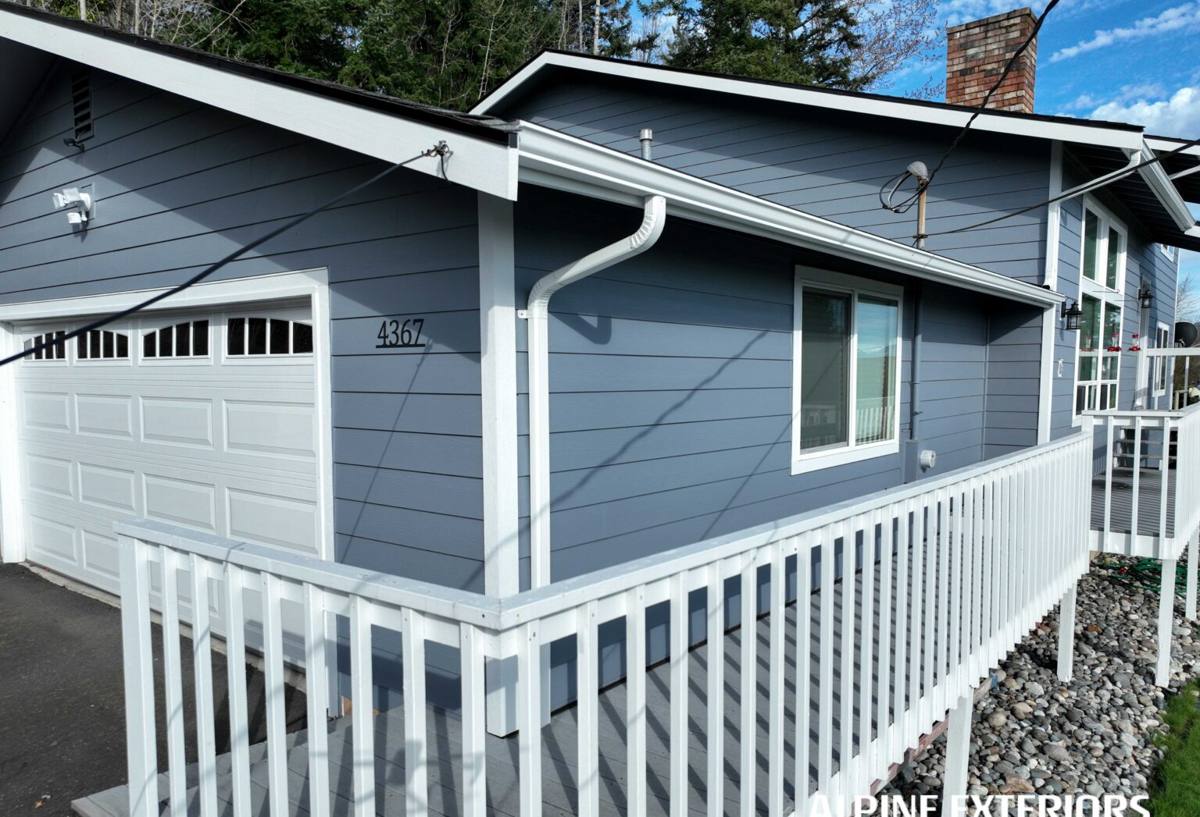
What Salt Air, Rain, and Moss Actually Do to a Roof
Salt Air and Corrosion
Homes closer to the water pick up airborne salt that settles on roofing metal, fasteners, and flashing. Over years, that accelerates corrosion on anything not rated or coated for a marine-influenced environment — and it's especially unforgiving of mismatched metals in contact with each other, which sets off galvanic corrosion faster than plain weather exposure would. This is one of the most common mistakes we see on metal roofs installed by crews unfamiliar with Puget Sound conditions.
Driving Rain and Wind-Driven Water
Seattle's rain isn't usually heavy in volume, but on exposed, elevated lots like much of Queen Anne, it often comes in sideways. Wind-driven rain finds its way under flashing, around penetrations, and into laps that would be fine in a calmer climate. A roof here needs underlayment and flashing details built for water moving sideways and upward, not just water falling straight down.
Moss and Shaded, North-Facing Slopes
The wet season here runs long — roughly October through May in a typical year — and shaded, north-facing roof slopes under mature trees rarely get enough sun or airflow to dry out between rains. That's exactly the environment moss needs. On asphalt shingles, moss roots into the mat and lifts the granules; on metal, it can't root the same way, but it can still hold moisture against seams and fasteners longer than a homeowner would like if the roof wasn't detailed to shed it properly.
Metal Roofing Options That Make Sense Here
Not every metal roofing system performs the same way in this climate. We generally steer Queen Anne homeowners toward one of three systems, depending on the roof's pitch, budget, and how the home looks from the street.
| System | Best For | Maintenance | Typical Lifespan |
|---|---|---|---|
| Standing seam | Steeper pitches, salt-air exposure, homes wanting a clean modern look | Low — concealed fasteners, fewer failure points | 40–60+ years |
| Exposed-fastener panel (5V, corrugated) | Budget-conscious projects, outbuildings, simpler roof lines | Moderate — fasteners and washers need periodic checks | 25–40 years |
| Metal shingle or shake profile | Homes wanting the look of shingle or shake with metal's durability | Low to moderate | 35–50 years |
For homes closer to the water, we lean toward standing seam more often than not. Its concealed fastener system means fewer exposed points where salt air and driving rain can start working on hardware over time, and it handles steep Queen Anne rooflines cleanly without a lot of visible seams breaking up the design.
What a Correctly Installed Metal Roof Actually Involves
Deck Prep and Underlayment
Metal roofing is only as good as what's underneath it. We check the decking for soft spots, rot, and prior water damage before anything goes down — a common issue on older Queen Anne homes where a previous roof sat too long past its service life. From there, we install a synthetic underlayment rated for the panel system, with self-adhered ice-and-water membrane at eaves, valleys, and around every penetration. Given how much of the neighborhood deals with wind-driven rain, this layer is not optional; it's the backup plan if wind ever pushes water past the panels themselves.
Flashing, Fasteners, and Dissimilar Metals
Flashing is where most roof leaks actually start, metal or otherwise. Valleys, chimneys, skylights, and wall intersections all need flashing sized and lapped correctly for the specific panel profile being used. Just as important this close to Puget Sound: we match fastener and flashing metals to the panel material to avoid galvanic corrosion between dissimilar metals. Using the wrong screw or the wrong flashing alloy might not show a problem for a year or two, but in a salt-air environment it eventually will.
Ventilation
A metal roof needs the attic or roof assembly beneath it to breathe properly. Without adequate intake and exhaust ventilation, moisture gets trapped, condensation forms on the underside of the panels, and you can end up with wood rot or mold issues that have nothing to do with the roof surface itself and everything to do with what's happening underneath it.
Our Process for a Queen Anne Metal Roof
- On-site inspection. We walk the roof (or use a drone where pitch or access makes that safer), check the decking, flashing, ventilation, and the condition of the current roofing material.
- Honest recommendation. We'll tell you if a full tear-off is warranted, whether the decking needs repair, and which panel system fits the home's pitch, style, and your budget — including when metal isn't the right call for a particular roof.
- Written estimate. Clear scope, materials, and cost, with any decking repair called out separately rather than buried in a lump sum.
- Tear-off and deck repair. Old roofing removed, decking inspected and repaired as needed, and the surface prepped for underlayment.
- Underlayment and flashing. Ice-and-water membrane at vulnerable points, synthetic underlayment across the field, and all flashing detailed before a single panel goes on.
- Panel installation. Panels installed to manufacturer spec for the chosen system, with fasteners and flashing metals matched to avoid corrosion issues down the road.
- Final walkthrough. We review the finished roof with you, cover care and maintenance, and answer questions before we consider the job done.
Cost Factors Worth Understanding
Metal roofing costs more upfront than asphalt shingles, and the range on any given Queen Anne home depends on a handful of specific factors rather than a flat per-square-foot number.
| Factor | Why It Matters Here |
|---|---|
| Roof pitch and access | Steep pitches and narrow, hilly streets common in Queen Anne can add labor time and safety equipment needs |
| Tear-off vs. overlay | Full tear-off costs more but lets us properly assess and repair decking — important on older homes |
| Panel system chosen | Standing seam runs higher than exposed-fastener panel, largely due to labor and material |
| Roof complexity | Dormers, chimneys, and multiple valleys — common on older Queen Anne rooflines — add flashing work |
| Ventilation upgrades | Older homes sometimes need added intake or exhaust venting to perform properly under metal |
Maintenance: What to Watch For
A properly installed metal roof is low-maintenance, but "low" isn't "none." A little seasonal attention goes a long way in this climate.
- Clear leaves and debris from valleys and gutters, especially after fall storms drop material from the tree canopy common on Queen Anne lots
- Check for moss or algae buildup on shaded, north-facing slopes at least once a year
- Look at flashing around chimneys, skylights, and vents for any sign of lifting or gaps
- Watch for streaking or discoloration near fasteners, which can signal an early corrosion issue worth catching early
- After any major windstorm, do a visual check for loosened panels or displaced flashing
- Keep an eye on attic ventilation — musty smells or visible condensation are early warning signs, not something to ignore
Why Hiring a Crew That Already Works Queen Anne Matters
Queen Anne isn't an easy neighborhood to work in logistically. Streets are steep and narrow, parking is tight, and a lot of homes have limited staging space around them. A crew that already works this hill knows how to set up safely and efficiently without turning your street into an obstacle course for the neighbors.
More importantly, a crew familiar with the neighborhood's housing stock knows what to expect once the old roofing comes off — older framing conventions, past repair patchwork, and the kind of decking issues that show up on homes of a certain age. That familiarity means fewer surprises, fewer change orders, and a roof detailed for the specific combination of salt air, wind, rain, and moss that this part of Seattle deals with every year, not a generic install pulled from a drier climate's playbook.
If you're weighing metal roofing for a home in Queen Anne, we're happy to take a look and give you a straight answer on what your roof actually needs. Reach out for a free, no-pressure estimate using the form below.