 Seattle Exterior
 Board & Batten Siding in Ravenna: Built for This Neighborhood's Conditions
Ravenna is one of Seattle's older, tree-heavy neighborhoods, and that combination — mature landscaping, close-set lots, and a housing stock that mixes craftsman bungalows with newer infill construction — creates a specific set of demands on exterior siding. Board and batten is a popular choice here, whether it's covering a full elevation, dressing up a gable end, or adding a modern farmhouse accent to an addition. But board and batten only performs as well as the water management system behind it, and in a climate like King County's, that system has to be right from the first course to the last.
This page focuses on one service in one neighborhood: what board and batten siding needs to hold up in Ravenna, what a properly installed system actually involves, and why we install it exclusively in James Hardie fiber cement rather than the vinyl, engineered wood, or primed lumber versions of the same look.
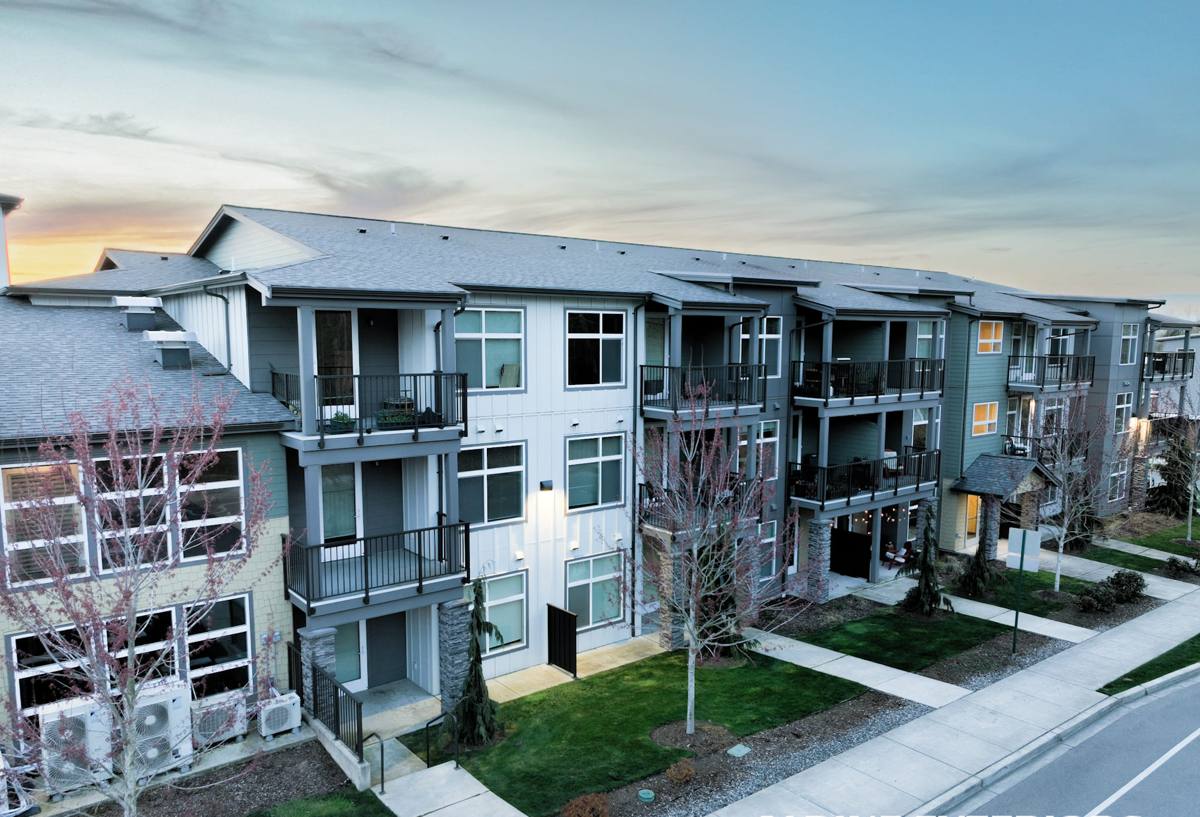
Why Ravenna's Climate Is Tougher on Vertical Siding Than It Looks
Seattle's marine climate means long stretches of low-intensity rain punctuated by wind-driven storms that push water sideways into wall assemblies, not just down them. Ravenna adds its own layer to that: dense tree canopy — big leaf maples, conifers, and mature ornamental plantings on older lots — keeps siding shaded and slow to dry for much of the year. That combination of moisture and shade is exactly what moss, algae, and mildew need to establish themselves on a wall.
Board and batten has more seams per square foot than lap siding — every vertical batten covers a joint between panels — which means more places for water to find its way behind the cladding if the installation isn't detailed correctly. In a drier climate that might not matter much. In a neighborhood with Ravenna's tree cover and King County's rainfall totals, it's the difference between a wall that sheds water for decades and one that traps it.
What This Means in Practice
- Panels and battens need a real drainage gap behind them, not direct contact with the weather-resistant barrier.
- Fastener placement and caulk joints matter more on vertical siding because gravity constantly pulls water down along the battens toward the bottom of the wall.
- Shaded, moss-prone walls need a finish that resists organic growth and holds its color without repainting every few years.
- Ground-level board and batten near foundation plantings needs proper clearance and flashing, since Ravenna's mature landscaping often sits close to the house.
What Correct Board & Batten Installation Actually Involves
Board and batten looks simple from the curb — wide panels, narrow battens over the joints — but the assembly behind that clean look is what determines whether it lasts. We build every board and batten wall around a few non-negotiable layers.
Drainage Plane and Rainscreen Gap
A weather-resistant barrier goes over the sheathing first, lapped correctly at every seam and penetration. Behind the actual siding, we install vertical furring strips to create a rainscreen gap — a continuous air and drainage channel that lets any water that gets past the cladding drain out and lets the wall assembly dry between rain events. On a shaded, tree-covered lot like many in Ravenna, that drying capacity is what keeps moisture from turning into rot or mold inside the wall.
Fastening and Panel Layout
Board and batten panels get fastened according to the manufacturer's engineering specifications for edge distance, fastener spacing, and blind- versus face-nailing, depending on the product and application. Battens are placed to cover panel joints fully and consistently, with attention to reveal width and spacing so the finished wall reads as one clean pattern rather than a patchwork of mismatched joints.
Flashing and Trim Details
Every window, door, outside corner, and roof-to-wall intersection is a place where water wants to get behind the siding. Correct flashing — head flashing above openings, kickout flashing where roof lines meet walls, proper sealant joints where called for — is what actually keeps a board and batten wall dry, far more than the siding material itself. A beautiful panel over sloppy flashing will still leak.
James Hardie Board & Batten: The Only System We Install
We install James Hardie fiber cement exclusively — no vinyl board and batten, no engineered wood (LP SmartSide), no Cemplank or Allura, no primed spruce or cedar boards. That's a deliberate standard, not a matter of preference, and it applies to every job we take on, including accent walls and gable details.
For board and batten applications, that typically means HardiePanel vertical siding paired with Hardie's batten trim, finished in the factory-applied ColorPlus finish rather than field-painted. A few reasons this matters specifically for board and batten in a climate like Seattle's:
- Non-combustible material. Fiber cement doesn't feed a fire the way wood-based products can, which matters as much for insurance and resale as it does for safety.
- Dimensional stability. Fiber cement doesn't swell and shrink with moisture cycling the way engineered wood or solid lumber does, which keeps board and batten joints tight over time instead of opening up gaps that let water in.
- Factory finish. ColorPlus finish is baked on in a controlled environment and backed by its own finish warranty, which means the battens and panels don't rely on a field-applied paint job to hold color and resist the moss and mildew that shaded Ravenna walls are prone to.
- Climate-engineered product line. Hardie's HZ5 formulation is engineered for the Pacific Northwest's moisture exposure, which is the specific reason we use it here rather than a one-size-fits-all national product.
- Transferable warranty. A strong, transferable warranty is a real asset when a Ravenna home eventually sells — buyers and their inspectors notice it.
Where Board & Batten Shows Up on Ravenna Homes
Board and batten isn't always a full-elevation decision. In this neighborhood we see it used a few different ways, and the right approach depends on the home and the budget.
| Application | Typical Use Case | Key Consideration |
|---|---|---|
| Full elevation | New construction, additions, or full siding replacement | Requires complete WRB and rainscreen system across the whole wall |
| Gable and dormer accents | Craftsman and farmhouse-style homes adding visual interest | Detailing at the roofline transition is critical to prevent leaks |
| Garage and outbuilding faces | Detached garages, ADUs, and secondary structures | Often lower-traffic areas but still need full drainage plane, not shortcuts |
| Mixed with lap siding | Board and batten as an accent against horizontal Hardie lap on the main walls | Transition points between siding types need careful flashing |
Our Process, Start to Finish
Every board and batten project follows the same disciplined sequence, whether it's one gable or a full home:
- On-site assessment of the existing wall, including a check for moisture damage, soft sheathing, or moss buildup that needs to be addressed before new siding goes on.
- Removal of existing siding down to the sheathing so we can verify the substrate and drainage plane rather than covering up an unknown condition.
- Repair of any damaged sheathing or framing found underneath — this gets documented and discussed with the homeowner before we proceed.
- Installation of a continuous weather-resistant barrier, correctly lapped at every seam, window, and penetration.
- Installation of a rainscreen furring system to create the drainage gap behind the siding.
- Installation of James Hardie panels and battens per manufacturer fastening specifications.
- Flashing and sealant at all openings, corners, and roof-to-wall transitions.
- Final walkthrough with the homeowner before closing out the job.
Signs a Ravenna Home's Siding Needs Attention
Because of the tree cover and moisture in this neighborhood, siding problems here often show up as slow, quiet signs rather than sudden failures. Worth checking for:
- Persistent moss or algae staining on battens or panel faces, especially on shaded north- and west-facing walls.
- Soft or spongy spots when you press on siding near the ground or below windows.
- Paint that's peeling, bubbling, or chalking heavily on wood-based board and batten.
- Visible gaps opening up between battens and panels, or battens that have started to bow.
- Staining or discoloration on interior walls near exterior corners, which can indicate water is already getting behind the siding.
Why a Crew That Already Works in Ravenna Matters
Board and batten installed correctly in a dry climate and board and batten installed correctly in Ravenna aren't the same job. A crew that regularly works this neighborhood already understands the shade patterns from mature tree canopy, the moisture load coming off Puget Sound weather systems, the narrow side yards and easements common on older Seattle lots, and how Seattle's permitting process applies to siding and exterior work. That familiarity shows up in the details — where the rainscreen gap needs extra attention, which walls need the most robust moss-resistant finish, how to sequence work around a client's landscaping instead of damaging it.
It also matters for accountability. A contractor who works this area consistently has a reputation to protect with your actual neighbors, not just a name on a truck that shows up once and moves on.
If you're weighing board and batten siding for a home in Ravenna, we're happy to take a look and talk through what your specific walls need. Reach out for a free, no-pressure estimate — there's a form right below this page.