 Seattle Exterior
 Roof Replacement Built for Ravenna's Weather
Ravenna is one of Seattle's older, tree-shaded residential neighborhoods, and that combination of age and canopy cover shapes what a roof in this part of King County actually has to survive. Homes here deal with the same marine climate as the rest of the city — long stretches of drizzle, occasional driving rain off the Sound, and short winter days that never quite dry a roof out — but the mature street trees common to Ravenna add their own pressure in the form of shade, debris, and moss. A roof replacement here isn't just about swapping old material for new; it's about specifying and installing a system that can shed water fast, resist moss regrowth, and hold up under a canopy that keeps the roof deck cooler and damper than a roof out in the open.
This page walks through what that actually looks like: how to tell a Ravenna roof is due for replacement rather than another round of patching, what a correct tear-off and re-roof involves, the material trade-offs that matter in this climate, and what to expect from a crew that works this neighborhood regularly.
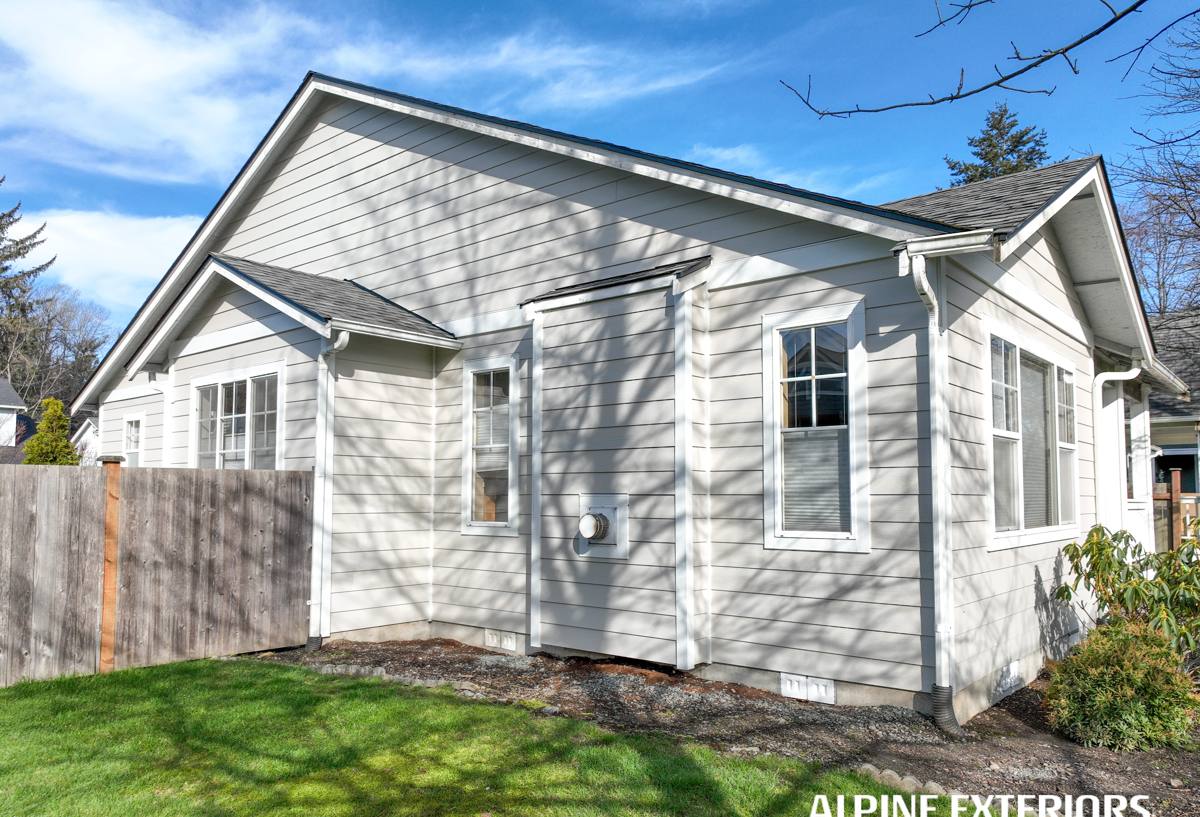
Why Ravenna Roofs Wear Differently
Three things drive most of the early roof failures we see in this part of Seattle, and they compound each other:
Salt Air and Moisture Load
Seattle sits on salt water, and homes throughout King County — Ravenna included — deal with a steady low-level exposure to salt-laden air. That moisture works into fasteners, flashing seams, and any exposed metal, accelerating corrosion in lower-grade materials faster than a dry inland climate ever would.
Driving Rain
Most of the year's rain here isn't a hard downpour — it's a long, low-intensity soak that finds every weak seam, nail pop, and undersized flashing detail over time. A roof that would survive fine in a climate with occasional heavy storms and long dry spells in between can fail here simply because it never gets a real chance to dry out between rain events.
Moss and Tree Canopy
Ravenna's tree-lined streets are part of what makes the neighborhood attractive, but shaded, north-facing roof slopes stay damp longer and grow moss faster than roofs in full sun. Moss isn't just cosmetic — as it establishes, it lifts shingle edges, holds water against the roofing material, and works its way under laps, which shortens the life of the roof underneath it.
None of this means a roof in Ravenna is doomed — it means the replacement has to be specified for this climate specifically, not for a generic weather profile.
Signs Your Ravenna Home Needs a Roof Replacement, Not a Repair
Repairs make sense when a problem is isolated. Replacement becomes the honest answer when the roofing system as a whole is past the point where patching buys meaningful time. Signs worth taking seriously:
- Shingles that are cupping, curling, or losing granules across large sections rather than in one spot
- Moss or algae established across multiple slopes, especially on shaded or north-facing sections
- Soft spots, sagging, or visible deflection in the roof deck when walked
- Repeated leaks in different locations after previous patch repairs
- Flashing around chimneys, skylights, or valleys that's rusted, lifted, or was never properly step-flashed
- Daylight visible through the roof deck from the attic, or damp insulation below the roofline
- A roof approaching or past the expected service life of its material, especially if it was installed with minimal underlayment or ventilation
If you're only seeing one or two of these and the roof is otherwise sound, a repair may still be the right call. A straightforward inspection is the fastest way to know which category your roof falls into.
What a Correct Roof Replacement Involves
A roof replacement is only as good as the layers nobody sees once it's done. In a climate like this one, skipping or shortcutting these steps is exactly how a roof ends up failing early.
Tear-Off and Deck Inspection
We remove the old roofing down to the deck rather than layering over it. That's the only way to actually see the condition of the sheathing, catch soft or rotted panels from long-term moisture intrusion, and replace them before new material goes down over a compromised base.
Underlayment and Ice-and-Water Protection
Given how much of the year this region spends wet, underlayment quality matters more here than in drier climates. Self-adhered ice-and-water membrane at eaves, valleys, and roof penetrations gives a second line of defense in the exact spots where wind-driven rain and ice damming (on the occasional hard freeze) are most likely to force water backward under the roofing material.
Flashing Details
Chimneys, skylights, sidewalls, and valleys fail more roofs than open field shingle ever does. Correct step flashing, counter-flashing, and valley metal — properly lapped and sealed rather than relying on caulk to do the work — is where a careful installation earns its keep over the following decades.
Ventilation
A shaded, damp roof needs a way to move air through the attic space, or moisture gets trapped against the underside of the deck year-round. Balanced intake and exhaust ventilation reduces trapped moisture, helps the deck dry between rain events, and extends the life of the roofing material above it.
Material Installation
Whatever material is chosen, it has to be installed to the manufacturer's nailing pattern, exposure, and fastening specifications — not just to what's fast. Improper nailing is one of the most common reasons a roof underperforms its rated lifespan, and it's invisible until the roof starts failing.
Material Options for Ravenna's Climate
There's no single "right" roofing material for every home — the right choice depends on the roof's pitch, the home's style, sun exposure, and budget. Here's how the common options stack up for a shaded, wet climate like this one:
| Material | Moss/moisture resistance | Maintenance | Typical lifespan | Notes for Ravenna |
|---|---|---|---|---|
| Asphalt composition shingle | Moderate (better with algae-resistant granules) | Low to moderate | 20–30 years | Most common choice; budget-friendly and widely available in a range of colors and profiles |
| Metal (standing seam or panel) | High — sheds water and resists moss buildup on steep slopes | Low | 40–60 years | Strong choice for shaded, steep roofs; higher upfront cost, long-term value |
| Cedar shake | Low without diligent upkeep — traps moisture in a damp climate | High | 20–30 years with maintenance | We can install it, but we're upfront that it's a demanding choice under heavy tree cover; synthetic shake alternatives close the aesthetic gap with far less maintenance |
| TPO/membrane (low-slope sections) | High when properly detailed and sloped | Low | 20–30 years | Common for additions, porches, or low-slope tie-ins rather than whole-home use |
For most Ravenna homes with standard-pitch roofs under partial tree cover, algae-resistant asphalt shingle or metal are the two options we recommend most often — the first for value, the second for homeowners planning to stay long-term and wanting to minimize moss-related maintenance.
Our Process, Start to Finish
- Free on-site inspection and honest assessment of repair vs. replacement
- Written estimate that breaks out material, labor, and any deck repair allowances
- Material selection walkthrough, including trade-offs specific to your roof's exposure
- Scheduling around Seattle's wetter months where possible, with weather contingency built in
- Tear-off, deck inspection, and repair of any compromised sheathing
- Underlayment, flashing, and ventilation installed to spec — not shortcut
- Final walkthrough with the homeowner before the crew leaves the site
- Full cleanup, including magnetic sweep for nails and debris removal
We don't push a start date before a homeowner is ready, and we don't disappear once the roof is up — a roof replacement is a decision worth taking at your own pace.
What Actually Drives the Cost
Every roof is priced individually, but the same handful of factors move the number up or down on nearly every job:
| Factor | Why it matters |
|---|---|
| Roof size and number of slopes | More square footage and complexity means more material and labor time |
| Pitch and access | Steep or hard-to-access roofs require more safety setup and slow the work |
| Deck condition | Rotted sheathing found at tear-off adds material and labor to replace it properly |
| Material choice | Asphalt, metal, and shake carry very different material and installation costs |
| Flashing and penetrations | Chimneys, skylights, and multiple valleys add detail work beyond open field roofing |
| Tear-off layers | Removing multiple existing layers of roofing adds disposal and labor cost |
Because of how much these factors vary house to house, we avoid quoting a number before we've actually looked at the roof — a broad ballpark without seeing the deck and access conditions isn't a number you can plan a budget around.
Why a Crew That Already Works Ravenna Matters
A roofing crew that regularly works this part of Seattle already understands what tree-shaded, moisture-heavy roofs need — where moss tends to establish first, which flashing details fail most often on older King County homes, and how to sequence a tear-off around a wet forecast instead of getting caught mid-job. That local familiarity shows up less in any single visible detail and more in the roof simply not causing problems five or ten years down the road. It also means someone is genuinely nearby if a question comes up after the job is done, not a crew that worked the neighborhood once and moved on.
Get a No-Pressure Estimate
If your roof is showing its age, holding onto moss it didn't used to have, or you just want an honest read on how much life it has left, we're happy to take a look. The estimate is free, there's no obligation attached to it, and we'll tell you plainly if a repair is the smarter move instead. Use the form below to get started.