 Seattle Exterior
 Building a Deck That Actually Holds Up in Redmond
Redmond sits inland from the Sound, tucked against the hills east of Lake Washington and Lake Sammamish, but it doesn't escape the weather pattern that defines this whole corner of King County. Moisture-laden marine air still rolls through, the rainy season still runs long, and the mature tree canopy that makes so many Redmond neighborhoods attractive also means a lot of shaded, slow-drying decks. Add in the freeze-thaw swings we get most winters, and a deck here is under more stress than most homeowners realize until boards start cupping, fasteners start bleeding rust, or a slick green film shows up on the walking surface every fall.
A deck built for this climate isn't just about picking a nice-looking board. It's about drainage, air movement, fastener choice, and structural detailing that keeps water from sitting where it shouldn't. That's the difference between a deck that looks good for two seasons and one that's still solid in fifteen years.
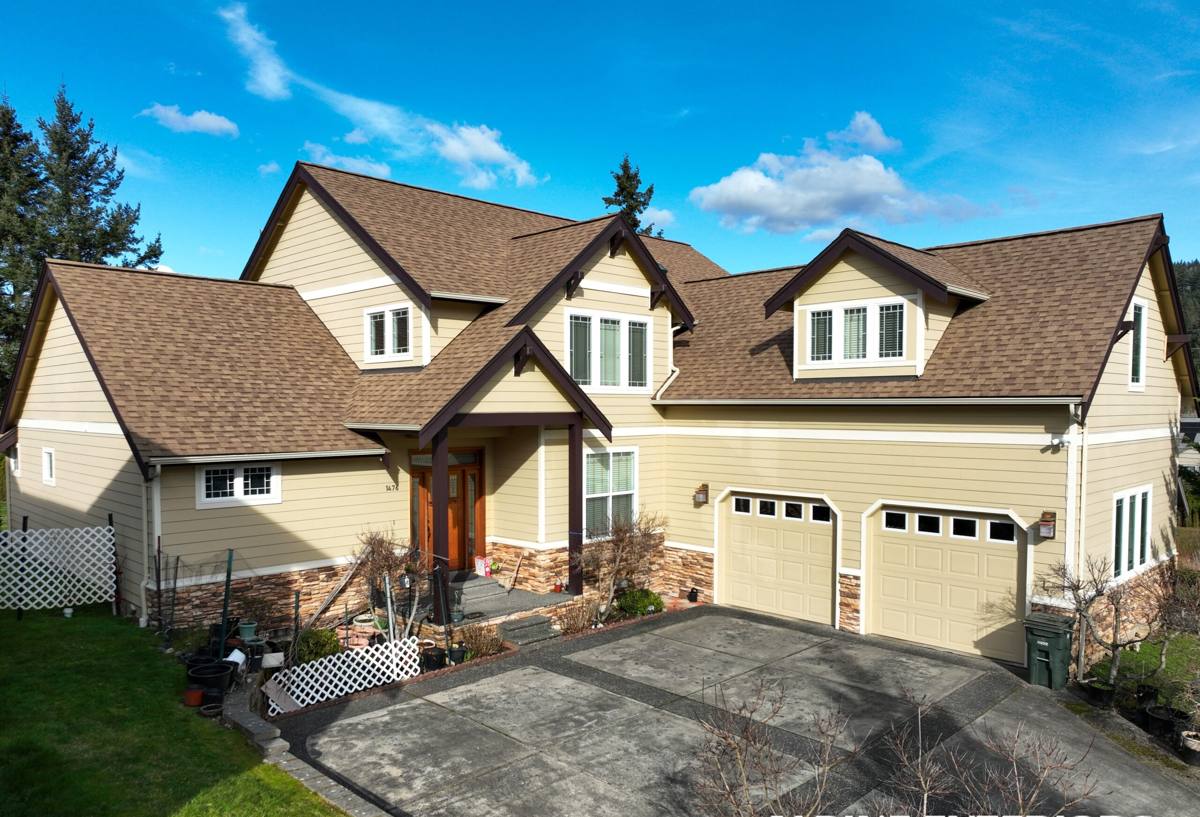
What Redmond Homes Actually Need From a Deck
Most of the decks we're asked to replace or repair in this area didn't fail because the wood was bad — they failed because of how they were built. A few patterns show up again and again in Redmond specifically:
- Decks tucked under tree cover or on the north/shaded side of the house that never fully dry out between rain events
- Ledger boards attached to the house without proper flashing, letting water track behind the siding over time
- Board spacing too tight, trapping debris and moisture between boards where moss and algae take hold
- Low clearance between the deck frame and the soil, restricting airflow underneath
- Fasteners and hardware that weren't rated for treated lumber's chemical makeup, leading to corrosion and staining
None of these are exotic problems. They're solvable with correct building practice — the issue is that a lot of decks around here weren't built with our specific rain-and-shade pattern in mind.
Choosing the Right Decking Material
Wood Options
Cedar and pressure-treated fir or hem-fir are both common choices in this region. Cedar has natural resistance to decay and insects and takes a stain well, but it's a softer wood and needs regular refinishing to keep that resistance intact once the surface starts weathering. Pressure-treated lumber is more affordable and structurally tough, but it needs the right fasteners (more on that below) and a maintenance routine — cleaning, sealing, occasional board replacement — to get a full service life out of it.
Composite and Capped Composite
Composite decking has gotten a lot better over the last decade. Capped composite boards (a wood-plastic core with a protective outer shell) resist moisture absorption, don't need staining, and hold up well against the moss and mildew that plague shaded, damp decks. The trade-off is upfront cost and the fact that composite is less forgiving of poor substructure work — if the frame underneath isn't built and vented correctly, composite will trap moisture just like wood does, sometimes worse, because it doesn't dry the way real wood fiber does.
What We Recommend and Why
We don't push one material on every homeowner. What we do insist on, regardless of what decking you choose, is correct substructure, flashing, and ventilation — because a good board on a poorly built frame will still fail early, and a modest board on a properly built frame will outlast expectations.
| Material | Moisture Behavior | Maintenance | Typical Lifespan* |
|---|---|---|---|
| Cedar | Naturally decay-resistant, but softens and grays without upkeep | Clean and reseal every 1-2 years | 15-20 years |
| Pressure-Treated Lumber | Resists rot when properly fastened and sealed | Clean annually, reseal every 2-3 years | 15-25 years |
| Capped Composite | Highly moisture and stain resistant on the surface | Periodic washing, no staining or sealing | 25-30+ years |
*Lifespan estimates assume correct installation and normal Western Washington exposure — actual results depend heavily on site conditions like shade, drainage, and airflow underneath the deck.
What a Correctly Built Deck Involves
The visible decking is maybe a third of the job. The parts that determine whether a deck lasts are mostly underneath and around the edges:
Footings and Framing
Footings need to be set below the local frost depth and sized to the load they're carrying — this is a code requirement, not a suggestion, and it's one of the first things a King County building inspector checks. Joists and beams need to be spanned and spaced according to the decking material and expected loads, not just "what looks about right."
Ledger Attachment and Flashing
Where a deck attaches to the house, the ledger board has to be through-bolted (not just nailed) and properly flashed so water sheds away from the house framing instead of behind the siding. This detail alone is behind a large share of the hidden rot damage we find when we're asked to look at an older deck.
Fasteners and Hardware
Treated lumber reacts with certain metals over time. Using stainless steel or properly coated fasteners and joist hangers rated for treated wood contact isn't optional in a climate this wet — it's the difference between hardware that lasts the life of the deck and hardware that's streaking and weakening in five years.
Railings and Code Compliance
Guard height, baluster spacing, and stair rail requirements are set by the adopted building code and enforced through the permit process. We build to those specifications as a baseline, not an upsell.
The Moss and Drainage Problem, Specifically
Long moss season is one of the more predictable complaints we hear from Redmond homeowners, especially on decks with tree cover or a north-facing exposure. Moss and algae need shade and standing moisture to establish, and a poorly detailed deck gives them both.
The fix isn't a one-time power wash — that treats the symptom. The actual prevention happens at build time: proper gapping between boards so water drains through instead of pooling on the surface, enough clearance and cross-ventilation underneath the frame so the underside can dry out between storms, and a slight slope away from the house so water doesn't sit against the ledger. On existing decks, we can sometimes retrofit better drainage and airflow without a full rebuild — it depends on how the original structure was framed.
Our Process, Start to Finish
- On-site visit: We look at the site — sun exposure, tree cover, drainage, existing structure if it's a replacement — and talk through what you actually want to use the space for.
- Design and material selection: We lay out size, layout, railing style, and decking material, with honest input on what performs well given the specific spot on your property.
- Permitting: We handle the permit application and make sure the design meets current building code before work starts.
- Site prep and framing: Footings, posts, beams, and joists go in first, built to span and load requirements — this is the stage that determines long-term durability.
- Decking, railing, and finish work: Boards, railings, stairs, and any lighting or fascia details are installed and finished.
- Final walkthrough: We go over the finished deck together, including how to maintain whatever material you chose.
Maintenance Checklist for Redmond Deck Owners
Whatever material your deck is built from, a few habits go a long way in this climate:
- Sweep leaves and debris off the deck surface regularly through fall — trapped organic matter holds moisture and feeds moss growth
- Check that gaps between boards stay clear so water can drain through, not just across the surface
- Look underneath once or twice a year for standing water, blocked airflow, or early signs of rot at the ledger
- Reseal wood decking on the schedule appropriate to the product — don't wait until it's visibly gray and dry
- Watch fastener heads and hardware for rust streaking, which can signal a corrosion issue worth addressing early
- Keep gutters and downspouts above and near the deck clear so runoff isn't dumping directly onto the structure
Permits and Local Requirements
Deck construction and major deck repairs typically require a building permit in Redmond, and inspections happen at set points in the build — usually footings and framing before decking goes on, then a final inspection. Setback requirements and, if applicable, HOA design guidelines can also affect where and how large a deck can be. We handle the permit process as part of the job rather than leaving it for the homeowner to navigate, and we build to pass inspection the first time, not to squeak by.
Why Hire a Crew That Already Works in Redmond
A contractor who already works this area knows the local permitting process, has a working relationship with the jurisdictions involved, and has seen firsthand how decks in this specific mix of rain, shade, and temperature swings actually age — not just how they're supposed to perform on paper. That local track record matters more on a deck than almost any other exterior project, because so much of what determines a deck's lifespan is buried under the decking boards where a homeowner can't easily check it themselves.
If you're planning a new deck or need an honest look at one that's showing its age, we're happy to come take a look. There's no pressure and no obligation — just a straightforward assessment and a clear estimate using the form below.