 Seattle Exterior
 Siding Repair Built for Capitol Hill's Housing Stock
Capitol Hill is one of Seattle's densest and most architecturally varied neighborhoods — a mix of early-1900s craftsman houses, older wood-frame duplexes, and multi-unit buildings squeezed onto tight urban lots. That variety means siding problems here don't look the same on every block. A century-old home with original wood detailing has different failure points than a 1980s addition or a townhouse with narrow side-yard clearance. What they share is exposure to the same wet, shaded, and often wind-driven conditions that define Seattle weather, and that shared exposure is what drives most of the repair calls we get in this part of the city.
This page focuses on one thing: siding repair for Capitol Hill homes specifically. Not a general "we fix siding" pitch — a look at what actually goes wrong here, what a repair should include if it's done right, and why a crew that already knows this neighborhood's housing stock and access challenges gets better results than a contractor working it for the first time.
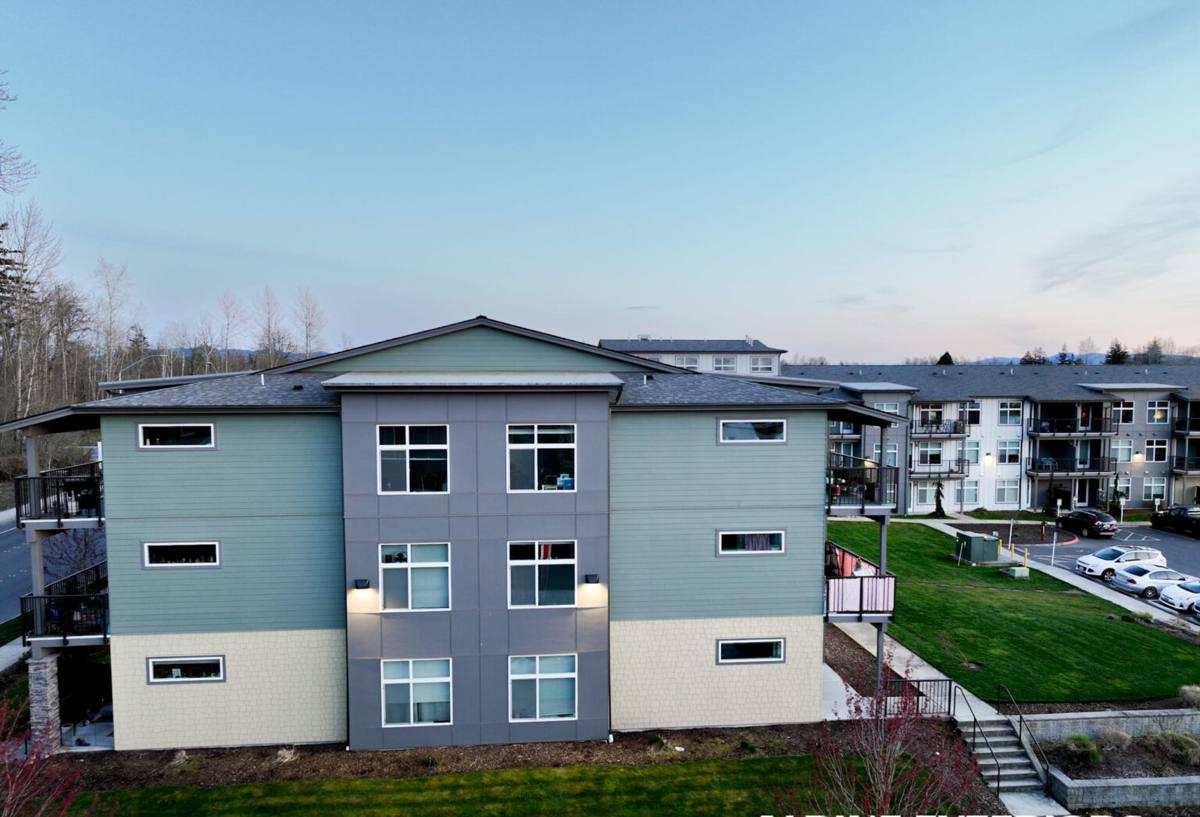
What Seattle's Climate Does to Capitol Hill Siding
King County's marine climate is hard on exterior materials in ways that aren't always obvious until damage is advanced. A few conditions matter most for siding on Capitol Hill lots:
Driving rain and wind-driven moisture
Pacific storm systems don't just drop rain straight down — wind pushes it sideways into wall assemblies, especially on homes with minimal roof overhangs, a common trait on older Seattle construction. Over time, wind-driven rain finds its way behind poorly lapped siding, worn caulk joints, and gaps around trim, windows, and utility penetrations. Once moisture gets behind the siding, the damage often happens out of sight, in the sheathing and framing, before it ever shows on the surface.
Shade, tree canopy, and moss
Capitol Hill's mature street trees and close-set lots create a lot of shaded, slow-to-dry wall surfaces. Combined with Seattle's long wet season, that shade is exactly the kind of environment moss and algae need to establish. Moss holds moisture against the siding surface far longer than open sun-exposed walls, softening wood fibers, degrading paint film, and accelerating rot on anything that isn't inherently moisture-resistant.
Salt air influence
Seattle's proximity to Puget Sound means salt-laden air reaches well inland, and it doesn't take direct waterfront exposure to matter. Salt air accelerates the breakdown of paint and caulk, corrodes exposed fasteners, and speeds up the general weathering of siding materials — a slow, cumulative factor that shows up as chalking, fastener staining, and premature paint failure years before it would happen in a drier inland climate.
None of these factors cause damage overnight. They work slowly, which is exactly why so many Capitol Hill homeowners don't call for repair until a problem has already spread further than it needed to.
Signs a Capitol Hill Home Needs Siding Repair
Because damage often starts hidden behind the siding surface, it helps to know what to look for during a walk around the exterior — especially on north- and west-facing walls, which tend to stay wet longest in this climate.
- Soft or spongy spots when you press on siding, especially near the bottom edge of walls
- Visible moss or dark algae staining that keeps returning after cleaning
- Paint that's peeling, bubbling, or chalking well before its expected repaint interval
- Cracked, warped, or separated boards, particularly around corners and window trim
- Gaps or missing caulk at joints, seams, and penetrations for pipes, vents, or wiring
- Rust streaks below fasteners or trim hardware
- Musty smell or visible staining on interior walls that share an exterior wall with damaged siding
- Siding that's noticeably bowed, buckled, or pulling away from the wall
Any one of these on its own might be a small, contained fix. Several together, especially combined with interior signs, usually mean water has been getting behind the wall assembly for a while and the repair needs to address the cause, not just the visible surface.
What a Correct Siding Repair Actually Involves
A repair that only replaces the visibly damaged board is a temporary fix if the underlying cause isn't addressed. On Capitol Hill's older housing stock in particular, we treat every repair call as an inspection first, repair second.
Diagnose before you patch
The first step is figuring out why that section failed. Was it a flashing gap, a caulk joint that dried out, a downspout dumping water against the wall, or just age and sun/shade exposure catching up with the material? Replacing a board without fixing the water path behind it means the new piece fails on the same timeline as the old one.
Check what's underneath
Once damaged siding is removed, we look at the sheathing and framing behind it. If there's rot in the structural wood, that has to be addressed before any new siding goes back on — patching over compromised sheathing is one of the most common ways a "small repair" turns into a bigger problem a year or two later.
Match materials, not just color
This is where a lot of repairs go wrong on older homes. Patching original wood siding with a different material — or with mismatched thickness, reveal, or texture — creates a visible seam and, more importantly, can create different moisture behavior between old and new sections. We'll walk you through honest options: matching what's there, or in cases where the surrounding siding is also aging out, transitioning that section or wall to a longer-term material instead of chasing repeat repairs.
Reseal and re-flash properly
Every repair gets new flashing where water can enter (window and door trim, penetrations, butt joints) and fresh, correctly applied caulk at the right joints — not caulk everywhere, which can trap moisture rather than shed it. Sealing the wrong joints is a common mistake that actually makes water intrusion worse.
Repair vs. Replacement: How We Help You Decide
| Situation | Repair usually makes sense | Replacement usually makes sense |
|---|---|---|
| Damage extent | Isolated to one or two wall sections | Spread across multiple walls or the whole exterior |
| Underlying wood | Sheathing and framing are still sound | Rot has reached structural framing in several areas |
| Age of existing siding | Mid-life, otherwise performing well | Near or past its expected service life |
| Material match | Original material is still available or closely matchable | Discontinued profile, or patches would be visibly mismatched |
| Repair history | First repair call for this wall | Same section has needed repair more than once |
We'll always give you a straight answer on which side of that table your home falls on. If a repair is the right call, we do the repair — we don't upsell a full re-side to a homeowner who doesn't need one.
Why We Repair With James Hardie Fiber Cement
When a repair calls for new material — whether it's a few boards or a full wall section — we install James Hardie fiber cement, and only James Hardie. We don't stock or install vinyl, LP SmartSide, Cemplank, Allura, or bare cedar or spruce siding, even for smaller repair jobs. Here's the reasoning, plainly:
- It handles the wet-shade cycle better. Fiber cement doesn't absorb and swell with moisture the way wood-based products can, which matters directly on Capitol Hill's shaded, slow-drying walls.
- It's non-combustible. That's a real safety consideration for closely spaced urban lots, not a marketing line.
- ColorPlus factory finish holds up to this climate's paint stress. Salt air and long wet seasons are hard on field-applied paint. A factory-cured finish resists fading and chalking far longer.
- It's engineered for this region. Hardie's HZ5 product line is formulated for climates with freeze-thaw cycling and sustained moisture exposure — closer to what Western Washington sees than a one-size-fits-all siding product.
- The warranty is transferable and substantial when the product is installed to Hardie's specifications, which matters if you sell the home down the road.
We're not going to tell you every other siding product is worthless — most have legitimate uses and reasonable installations elsewhere. But we've made a professional decision to standardize on one material we trust to perform in this specific climate, and that's what goes on every repair we do.
Our Process for Capitol Hill Repair Jobs
- Inspection and honest diagnosis. We look at the damaged area and the wall assembly behind it, not just the surface.
- Written scope and estimate. You get a clear explanation of what's being repaired, why, and what it costs before any work starts.
- Access and site plan. On tight Capitol Hill lots, we plan equipment staging, ladder placement, and material access around narrow side yards, shared driveways, and street parking realities in advance, not on the fly.
- Remove and assess. Damaged siding comes off, sheathing and framing get checked, and we flag anything beyond the original scope before proceeding.
- Repair the cause, then the surface. Flashing, drainage, and moisture paths get corrected first; new James Hardie material goes on last.
- Cleanup and walkthrough. We review the finished work with you and explain what maintenance, if any, to expect going forward.
Why a Crew That Already Works Capitol Hill Matters
Siding repair on a dense, older urban neighborhood isn't the same job as repair on a suburban lot with a wide driveway and open yard access. A crew that already works Capitol Hill regularly understands things a first-timer has to learn on your dime:
- How to stage a repair job on a narrow lot without blocking a shared driveway or neighbor's access
- What permitting and inspection expectations look like for exterior work in Seattle and King County
- How to work around mature trees and shaded conditions that keep walls wet longer, which affects both the repair timeline and material choices
- What to expect from older Seattle-era framing and sheathing once siding comes off, so surprises don't turn into scope creep or change-order shock
- How to coordinate with HOAs or multi-unit building requirements that are more common on Capitol Hill than in single-family suburbs
That local familiarity translates into fewer surprises, more accurate estimates, and a repair that's planned around your actual property instead of a generic playbook.
Cost Factors for Capitol Hill Siding Repair
| Factor | Why it affects cost |
|---|---|
| Extent of hidden damage | Rot found in sheathing or framing adds labor and material beyond the visible siding |
| Access and lot conditions | Narrow side yards, shared driveways, or limited street parking can add setup time |
| Material match | Matching an existing profile costs less than transitioning a full wall to new material |
| Height and wall complexity | Multi-story sections, dormers, and trim-heavy detailing add labor time |
| Underlying cause | Fixing a flashing or drainage problem behind the wall is separate from replacing the siding itself |
We won't quote a number without seeing the actual damage — anyone who does is guessing. What we can promise is a clear, itemized estimate that separates the visible repair from any underlying issues we find, so you know exactly what you're paying for and why.
Get an Honest Look at Your Siding
If you're seeing soft spots, recurring moss, peeling paint, or damage from this year's storms on a Capitol Hill property, it's worth having someone look at it before the wet season does more damage behind the walls. We'll give you a straight assessment, a clear repair-or-replace recommendation, and a free, no-pressure estimate — no obligation, no upsell pitch.